Brachypterus urticae
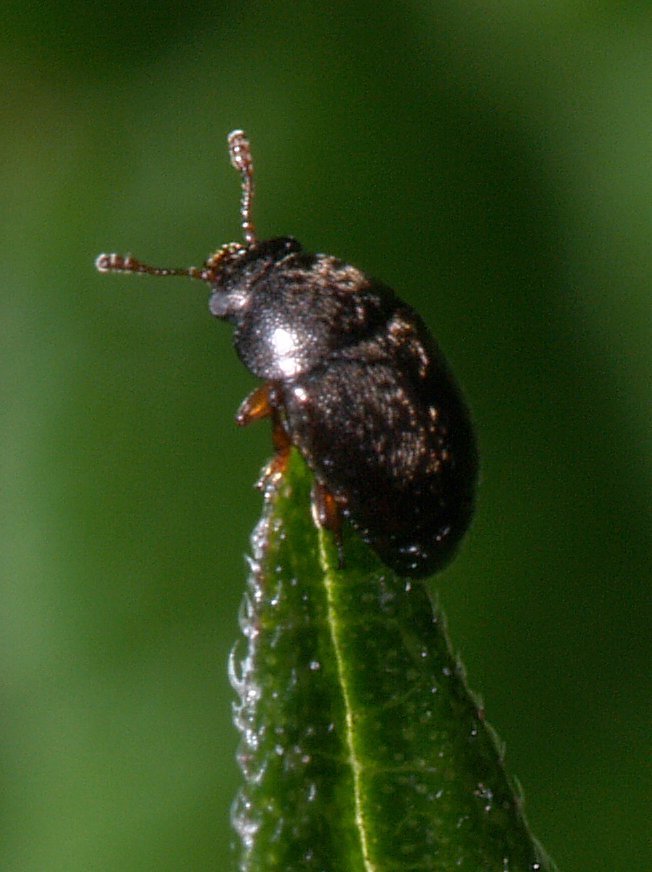
(c) portioid, some rights reserved (CC BY) · licence
Family: Kateretidae · Class: Insecta · Order: Coleoptera
Brachypterus urticae is a California animal in the Kateretidae family.
Brachypterus urticae, commonly known as the nettle pollen beetle, is a small beetle in the family Kateretidae. This species belongs to a group of beetles specialized for feeding on pollen and flower parts, though specific morphological details for this species have not been well documented in the available literature. The species occurs in North America, where it has been documented in several states including New York, where it is listed as a Species of Greatest Conservation Need (BugGuide). The presence of B. urticae in California has not been well documented in the current literature, though the species appears in the U.S. Fish and Wildlife Service taxonomic database. As suggested by its common name, the nettle pollen beetle is associated with nettle plants (Urtica species), though specific host plant relationships and habitat requirements have not been thoroughly studied. Members of the family Kateretidae are typically found in association with flowering plants where they feed on pollen, nectar, and developing flower parts. The beetles are generally small, measuring a few millimeters in length, with short wing covers (elytra) that may not completely cover the abdomen. The ecology and behavior of B. urticae remain poorly understood. Like other kateretid beetles, this species likely feeds on pollen and floral resources during its adult stage. The timing of seasonal activity, reproductive behavior, and larval development have not been documented in the scientific literature. Adults are presumably active during the flowering period of their host plants, though specific seasonal patterns are unknown. The conservation status of B. urticae is difficult to assess due to limited distributional and ecological data. The species' inclusion in New York's Species of Greatest Conservation Need list suggests potential conservation concerns in at least part of its range, though the specific factors contributing to this designation are not detailed in available sources (BugGuide). The lack of recent scientific literature on this species may indicate either genuine rarity or simply insufficient taxonomic attention to this group of small beetles. More research is needed to understand the distribution, habitat requirements, and conservation needs of B. urticae. The species exemplifies the challenges facing entomological conservation, where many small beetle species remain poorly known despite potential conservation significance. Current knowledge gaps include basic ecological requirements, population trends, and the extent of the species' range within California and other western states. Scientific documentation for this species remains extremely limited. The information presented here is based on available sources including the U.S. Fish and Wildlife Service taxonomic database and BugGuide community reports. If you have additional verified information about this species' biology, distribution, or ecology, please contact us to help improve this species account.
Classification
Class: Insecta · Order: Coleoptera · Family: Kateretidae
Frequently asked questions
How is Brachypterus urticae classified?
Brachypterus urticae belongs to class Insecta, order Coleoptera, family Kateretidae.
What family does Brachypterus urticae belong to?
Brachypterus urticae is in the Kateretidae family.
What is Brachypterus urticae?
Brachypterus urticae, commonly known as the nettle pollen beetle, is a small beetle in the family Kateretidae.
Is Brachypterus urticae found in California?
Yes. Brachypterus urticae is recorded in California in The California Species Project's catalogue.
More California species
This species has no close relatives in our California data — here are other species to explore.
Data from The California Species Project — 14,000+ California species with verified data from CNPS, CDFW, USFWS, and more.