Bulia deducta / similaris
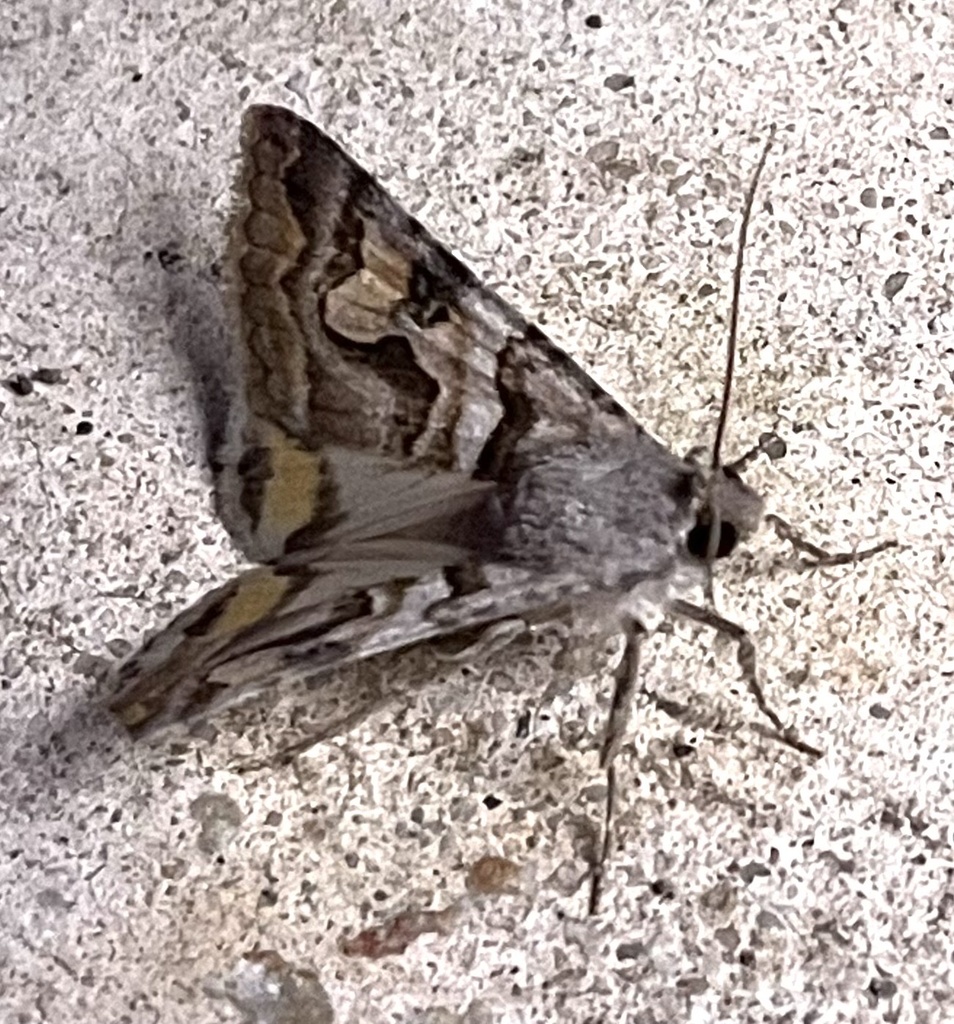
(c) IDClaire, some rights reserved (CC BY) · licence
Family: Erebidae · Class: Insecta · Order: Lepidoptera
Bulia deducta / similaris is a California animal in the Erebidae family.
Bulia deducta and Bulia similaris are moths in the family Erebidae, subfamily Erebinae, tribe Melipotini. These species belong to a diverse family of nocturnal moths that includes over 24,000 described species worldwide. The genus Bulia contains several North American species, though detailed taxonomic and biological information for individual species remains limited in the scientific literature. Both species are classified within the superfamily Noctuoidea, which represents one of the largest groups of Lepidoptera. Members of the Erebidae family typically exhibit nocturnal flight patterns and are attracted to artificial light sources. The subfamily Erebinae includes many species with cryptic coloration patterns that provide camouflage during daylight hours when the moths rest on bark, leaves, or other substrates. The geographic distribution of B. deducta and B. similaris in North America has not been comprehensively documented in available literature. Bulia deducta appears on Arkansas's Species of Greatest Conservation Need list, indicating it occurs in the southeastern United States (BugGuide). The presence of both species in USFWS taxonomic databases suggests they are recognized taxa within the United States, though their specific ranges and habitat preferences require further documentation. Habitat requirements for these Bulia species have not been well characterized. Like other erebid moths, they likely inhabit areas with suitable host plants for larval development and nectar sources for adult feeding. Many species in this family utilize woody plants as larval hosts, with caterpillars feeding on leaves, bark, or decaying plant material. Adults typically feed on flower nectar, tree sap, or rotting fruit. Life history details including larval host plants, seasonal activity patterns, and reproductive behavior have not been documented for either B. deducta or B. similaris. Most erebid moths undergo complete metamorphosis with egg, larval, pupal, and adult stages. Flight periods vary among species but often correspond with warm weather months when host plants are actively growing. The conservation status of both species remains unclear due to limited research and documentation. Bulia deducta's inclusion on Arkansas's Species of Greatest Conservation Need list suggests potential conservation concerns, though specific threats and population trends have not been assessed. The designation indicates the species was selected because it is rare, experiencing population decline, or lacks sufficient data for proper conservation assessment (BugGuide). No federal or state listing status has been identified for either species. Scientific documentation for these species remains extremely limited. The information presented here is based on available taxonomic databases and conservation listings. Detailed ecological studies, including habitat preferences, host plant relationships, distribution mapping, and population assessments, are needed to better understand these moths' biology and conservation needs.
Classification
Class: Insecta · Order: Lepidoptera · Family: Erebidae
Frequently asked questions
How is Bulia deducta / similaris classified?
Bulia deducta / similaris belongs to class Insecta, order Lepidoptera, family Erebidae.
What family does Bulia deducta / similaris belong to?
Bulia deducta / similaris is in the Erebidae family.
What is Bulia deducta / similaris?
Bulia deducta and Bulia similaris are moths in the family Erebidae, subfamily Erebinae, tribe Melipotini.
Is Bulia deducta / similaris found in California?
Yes. Bulia deducta / similaris is recorded in California in The California Species Project's catalogue.
Related species
Other California species in the same genus, family, or bioregion.
Data from The California Species Project — 14,000+ California species with verified data from CNPS, CDFW, USFWS, and more.