Bulla gouldiana
Cloudy Bubble Snail
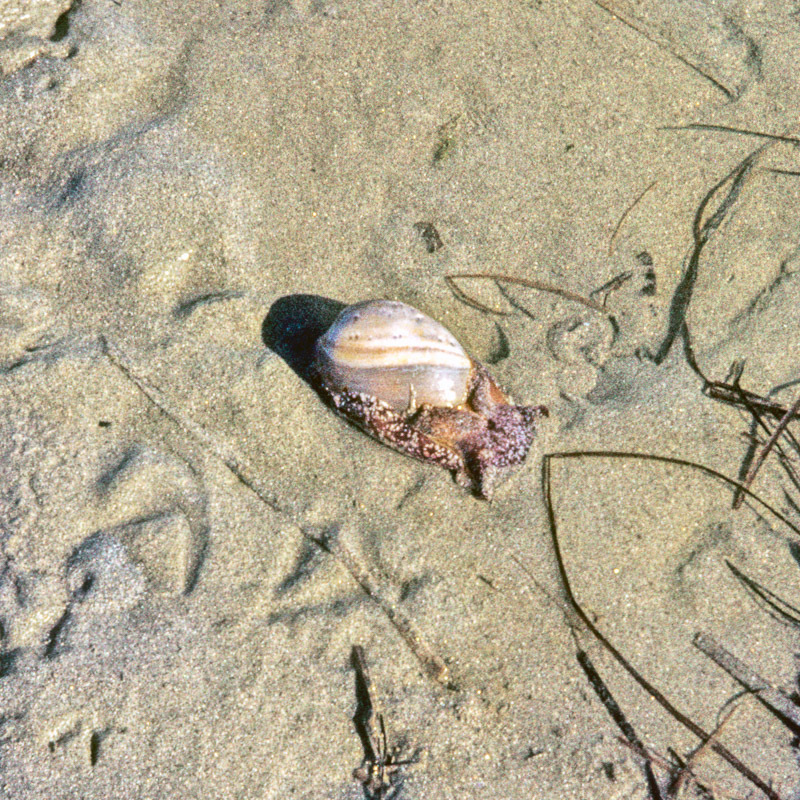
(c) Drepanostoma, some rights reserved (CC BY) · licence
Family: Bullidae · Class: Gastropoda · Order: Cephalaspidea
Bulla gouldiana (Cloudy Bubble Snail) is a California animal in the Bullidae family.
Bulla gouldiana, commonly known as the California bubble snail or cloudy bubble snail, is a marine gastropod mollusk in the family Bullidae. This species is characterized by its distinctive bubble-shaped shell, which is typically thin-walled and translucent to semi-opaque with a cloudy appearance that gives the species its common name. The shell lacks a pronounced spire and opens into a large, rounded aperture that accommodates the animal's soft body parts. The California bubble snail is endemic to the eastern Pacific Ocean, with its range extending along the California coast and into Baja California, Mexico. The species has been documented in various coastal habitats from central California southward, including areas within the Southern California Bight. Historical records indicate the species was once more widely distributed throughout suitable coastal habitats. This species inhabits shallow marine and estuarine environments, typically found in sandy and muddy substrates in protected bays, lagoons, and coastal wetlands. Bulla gouldiana occurs in areas where salinity levels fluctuate between marine and brackish conditions, demonstrating tolerance for variable environmental conditions. The species has been recorded in habitats ranging from intertidal zones to subtidal areas at depths up to several meters. In Ballona Creek, the species was documented alongside other marine invertebrates in areas with salinity ranging from 2.9 to 31.6 parts per thousand, indicating its euryhaline capabilities. As a cephalaspidean gastropod, Bulla gouldiana is primarily a deposit feeder and scavenger, using its muscular foot to move through sediments while feeding on organic matter, detritus, and small organisms within the substrate. The species exhibits typical bubble snail behavior, burrowing into soft sediments during the day and becoming more active during nocturnal periods. Like other members of the Bullidae family, this species is hermaphroditic, possessing both male and female reproductive organs. Reproduction involves the exchange of sperm between individuals, followed by the deposition of gelatinous egg masses on hard surfaces or vegetation. Currently, Bulla gouldiana does not appear to have formal federal or state conservation status listings, though specific population data and trend assessments are limited. The species faces potential threats common to coastal marine invertebrates, including habitat modification from coastal development, pollution, and changes in water quality. Climate change impacts such as ocean acidification may pose additional challenges, as the species relies on calcium carbonate for shell formation. The documentation of B. gouldiana in restoration monitoring studies suggests the species may serve as an indicator of estuarine ecosystem health. Enhanced monitoring and research efforts would benefit conservation planning for this endemic California species, particularly given the ongoing pressures on coastal habitats throughout its range.
Classification
Class: Gastropoda · Order: Cephalaspidea · Family: Bullidae
Frequently asked questions
How is Bulla gouldiana classified?
Bulla gouldiana belongs to class Gastropoda, order Cephalaspidea, family Bullidae.
What family does Bulla gouldiana belong to?
Bulla gouldiana is in the Bullidae family.
What is Bulla gouldiana?
Bulla gouldiana, commonly known as the California bubble snail or cloudy bubble snail, is a marine gastropod mollusk in the family Bullidae.
Is Bulla gouldiana found in California?
Yes. Bulla gouldiana is recorded in California in The California Species Project's catalogue.
More California species
This species has no close relatives in our California data — here are other species to explore.
Data from The California Species Project — 14,000+ California species with verified data from CNPS, CDFW, USFWS, and more.