Caenurgia togataria
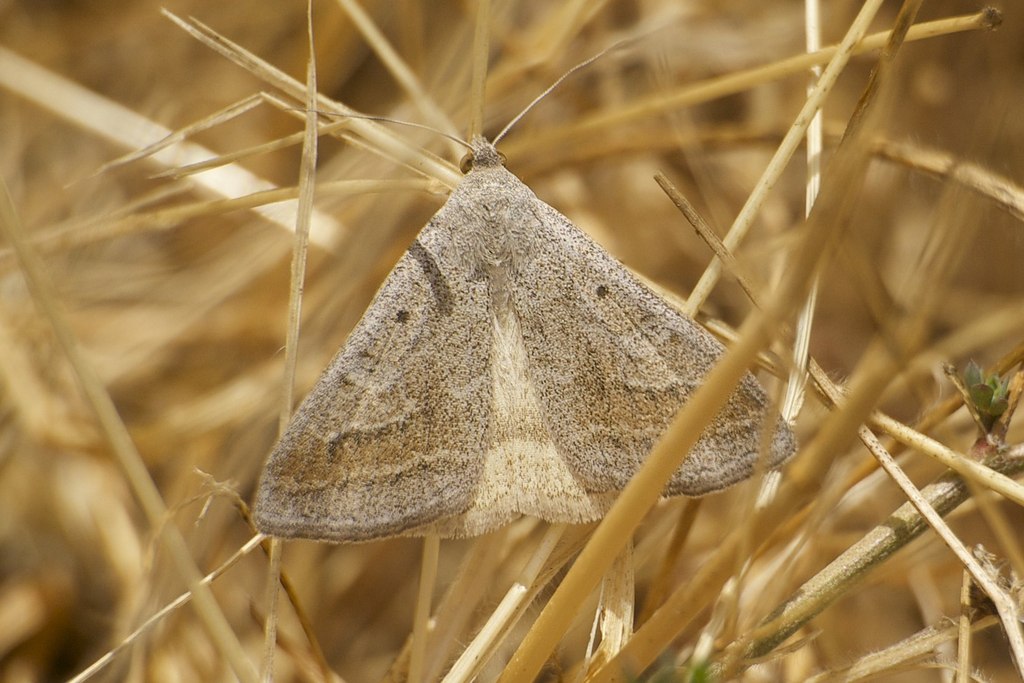
(c) Sterling Sheehy, some rights reserved (CC BY) · licence
Family: Erebidae · Class: Insecta · Order: Lepidoptera
Caenurgia togataria is a California animal in the Erebidae family.
Caenurgia togataria is a moth species in the family Erebidae, subfamily Erebinae. This nocturnal lepidopteran belongs to a genus of moths commonly known as foresters or owlet moths. Adults typically measure 25-35 mm in wingspan, with forewings displaying a distinctive pattern of earth-toned coloration. The forewings are generally brownish-gray with darker cross-lines and pale marginal areas, while the hindwings are lighter, often whitish to pale gray with darker borders. The species exhibits sexual dimorphism, with males possessing more feathered antennae compared to females. The range and distribution of Caenurgia togataria in North America extends across multiple regions, though detailed California-specific occurrence data is limited in current literature. The species is documented from various states, but comprehensive distributional records within California counties require further verification through museum collections and field surveys. Caenurgia togataria inhabits diverse terrestrial ecosystems where its host plants occur. Like other Erebidae species, this moth likely occupies woodland edges, grasslands, and disturbed habitats where herbaceous plants and shrubs provide larval food sources. Adults are attracted to artificial lights and may be found in areas adjacent to human development. Elevation ranges and specific microhabitat preferences within California remain poorly documented. Adult moths are primarily nocturnal, becoming active during evening and nighttime hours. Mating and reproductive behavior follow typical erebid patterns, with females releasing pheromones to attract males. Flight periods likely occur during warmer months, though specific timing in California requires confirmation through systematic surveys. Larvae are presumed to be generalist herbivores, feeding on various herbaceous plants and possibly woody shrubs, as is common among related Caenurgia species. Development includes typical lepidopteran stages of egg, larva, pupa, and adult, with overwintering likely occurring in the pupal stage. The conservation status of Caenurgia togataria remains unassessed at both federal and state levels. No formal listing exists under the Endangered Species Act or California Endangered Species Act. Population trends and threats are poorly understood due to limited systematic monitoring of moth communities. Potential threats may include habitat loss from urban development, agricultural conversion, and altered fire regimes that affect host plant communities. Climate change could impact distribution patterns and phenology, as with many lepidopteran species. Light pollution may disrupt natural behaviors and navigation abilities. Taxonomic research continues to refine understanding of Erebidae diversity and relationships. Caenurgia togataria, like many moth species, requires additional field research to document California populations, host plant associations, and ecological requirements. Citizen science initiatives and moth surveys contribute valuable occurrence data for species like C. togataria that lack comprehensive distributional records. Conservation efforts for moth diversity generally focus on habitat preservation and reducing artificial light impacts in natural areas.
Classification
Class: Insecta · Order: Lepidoptera · Family: Erebidae
Frequently asked questions
How is Caenurgia togataria classified?
Caenurgia togataria belongs to class Insecta, order Lepidoptera, family Erebidae.
What family does Caenurgia togataria belong to?
Caenurgia togataria is in the Erebidae family.
What is Caenurgia togataria?
Caenurgia togataria is a moth species in the family Erebidae, subfamily Erebinae.
Is Caenurgia togataria found in California?
Yes. Caenurgia togataria is recorded in California in The California Species Project's catalogue.
Related species
Other California species in the same genus, family, or bioregion.
Data from The California Species Project — 14,000+ California species with verified data from CNPS, CDFW, USFWS, and more.