Calicina breva
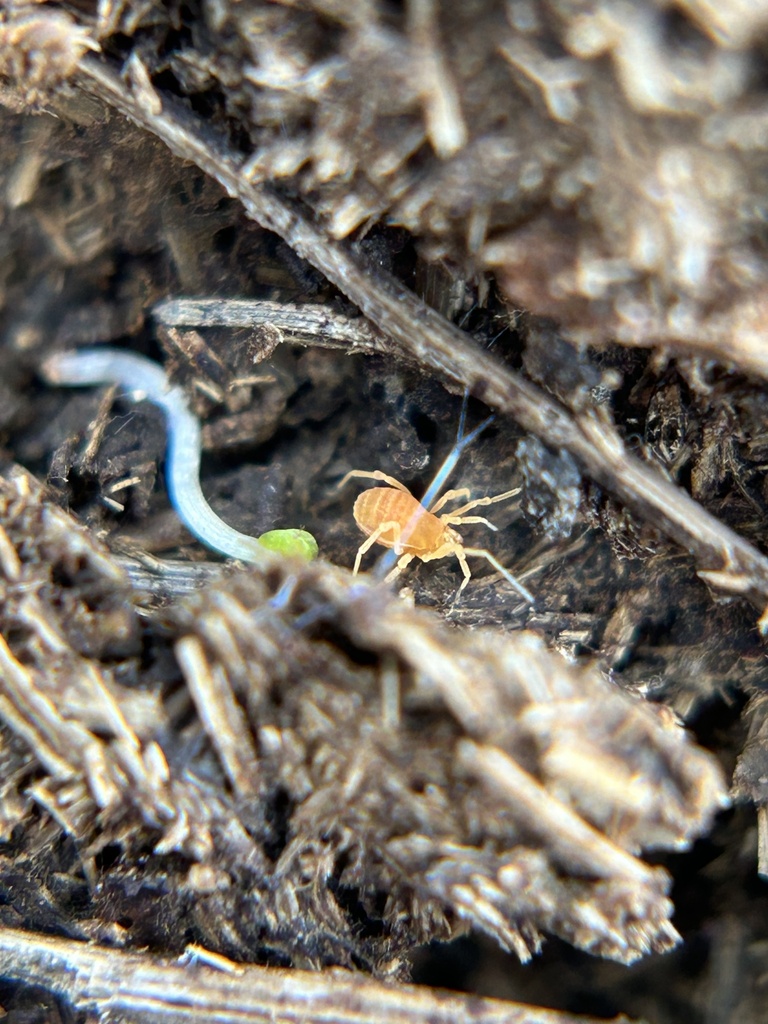
Stanislaus Harvestman
no rights reserved · CC0
Family: Phalangodidae · Class: Arachnida · Order: Opiliones
Conservation status: G1 S1
Calicina breva (Stanislaus Harvestman) is a California animal in the Phalangodidae family.
The Stanislaus harvestman is a small arachnid belonging to the order Opiliones, family Phalangodidae. Harvestmen are arachnids that somewhat resemble spiders but possess several distinguishing characteristics including a fused body region and typically longer, more delicate legs. As members of the infraorder Grassatores within the suborder Laniatores, Calicina breva represents one of the more specialized harvestman lineages adapted to specific microhabitat conditions. This species occurs exclusively in serpentine soil grasslands of the greater San Francisco Bay Area, with distribution including areas from the adjacent foothills and valleys of the region (USFWS Recovery Plan 1998). The species' range is highly restricted to serpentine outcrops, which are found within discontinuous rock formations in the Coast Ranges. These serpentine soils create unique edaphic conditions that support specialized endemic fauna, including multiple harvestman species in the genera Calicina and Microcina. The Stanislaus harvestman inhabits dry, nutrient-poor serpentine soil grasslands characterized by harsh growing conditions and distinctive plant communities. The species is found exclusively on the undersides of moist rocks situated within these serpentine grasslands (USFWS Recovery Plan 1998). This microhabitat provides the specific moisture and thermal conditions required by the species, as the rocks create refugia from the otherwise xeric conditions of serpentine soils. The serpentine substrate typically supports sparse vegetation adapted to the high magnesium content and low calcium levels characteristic of these soils. Like other harvestmen, Calicina breva likely feeds on small invertebrates, organic debris, and decomposing matter found in its rock crevice habitat. Harvestmen are generally omnivorous scavengers that play important roles in nutrient cycling within their ecosystems. Specific details regarding the reproductive biology, seasonal activity patterns, and detailed ecological requirements of this species remain poorly documented in the scientific literature. The Stanislaus harvestman carries a global rank of G1 and state rank of S1 and is on CDFW's Special Animals List, indicating it is critically imperiled both globally and within California. This ranking reflects the species' extremely limited distribution and small population size. The primary threat to this species and other serpentine soil specialists is habitat conversion to urban and industrial uses, which has extirpated listed species and species of concern from the majority of their historic ranges (USFWS Recovery Plan 1998). The remaining natural serpentine soil grasslands represent small, fragmented patches of the original habitat. Additional threats may include habitat degradation from invasive species, altered hydrology, and climate change impacts that could affect the delicate moisture balance required in the species' rock crevice microhabitats. The species' extremely restricted habitat requirements and limited dispersal capability make it particularly vulnerable to local extinctions from habitat disturbance or loss.
Classification
Class: Arachnida · Order: Opiliones · Family: Phalangodidae
Conservation status
G1 S1
Frequently asked questions
How is Calicina breva classified?
Calicina breva belongs to class Arachnida, order Opiliones, family Phalangodidae.
What family does Calicina breva belong to?
Calicina breva is in the Phalangodidae family.
Is Calicina breva protected or of conservation concern?
Calicina breva carries the following status: G1 S1.
What is Calicina breva?
The Stanislaus harvestman is a small arachnid belonging to the order Opiliones, family Phalangodidae.
Is Calicina breva found in California?
Yes. Calicina breva is recorded in California in The California Species Project's catalogue.
Related species
Other California species in the same genus, family, or bioregion.
Data from The California Species Project — 14,000+ California species with verified data from CNPS, CDFW, USFWS, and more.