Calicina cloughensis
Clough Cave Harvestman
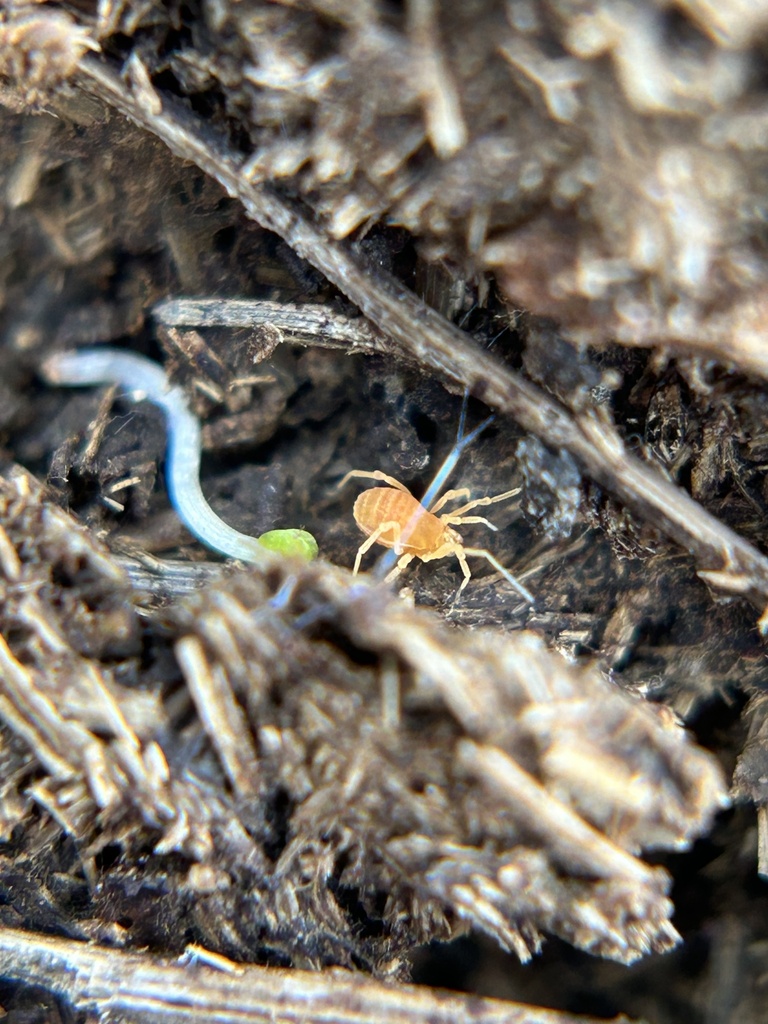
no rights reserved · CC0
Family: Phalangodidae · Class: Arachnida · Order: Opiliones
Conservation status: G1 S1
Calicina cloughensis (Clough Cave Harvestman) is a California animal in the Phalangodidae family.
The Clough Cave harvestman is a cave-obligate arachnid in the order Opiliones, family Phalangodidae. Like other harvestmen, this species has a small, compact body with characteristically long, thin legs that can span several times the body length. The body is typically pale or unpigmented, an adaptation common to cave-dwelling species that lack exposure to sunlight. Specific morphological details for this species remain poorly documented in the scientific literature. Calicina cloughensis is endemic to California and has an extremely restricted range. According to NatureServe, the species is known only from the type locality at Clough Cave, located at the South Fork Ranger Station in Sequoia National Park, Tulare County. This single-cave endemic represents one of the most geographically restricted harvestman species in North America. The species inhabits the deep zone of Clough Cave, a limestone cave system within Sequoia National Park. Cave environments provide stable temperatures and high humidity year-round, conditions essential for many obligate cave species. The cave likely maintains constant temperatures and provides the specialized microhabitat requirements necessary for this endemic arachnid. Specific details about cave structure, depth, and environmental parameters have not been well documented in available scientific literature. As a cave-dwelling harvestman, C. cloughensis likely feeds on small invertebrates, organic detritus, and possibly cave-adapted prey species. Harvestmen are generally opportunistic predators and scavengers, using their long legs to detect prey through vibrations and chemical cues. Reproductive behavior, seasonal activity patterns, and life cycle duration for this species have not been described in published research. Cave-dwelling harvestmen typically have extended life cycles compared to surface species, with development potentially taking multiple years in the stable but resource-limited cave environment. Calicina cloughensis holds a conservation status of G1 S1, indicating it is critically imperiled both globally and within California due to its extremely limited range and small population size. As a single-cave endemic, the species faces inherent vulnerability to environmental disturbances, habitat degradation, or changes in cave hydrology. The species' occurrence within Sequoia National Park provides some protection from direct human impacts, but cave ecosystems remain sensitive to changes in surface land use, water flow patterns, and visitor impacts. Climate change could potentially affect cave temperature and humidity regimes, though the specific vulnerabilities of this species to environmental change remain unstudied. No federal listing status has been assigned to this species as of December 2025. The extreme rarity and restricted distribution of C. cloughensis highlights the importance of protecting specialized cave habitats and conducting further research on California's endemic cave fauna. Additional surveys of other cave systems in the region may reveal additional populations or related species within this poorly studied group.
Classification
Class: Arachnida · Order: Opiliones · Family: Phalangodidae
Conservation status
G1 S1
Frequently asked questions
How is Calicina cloughensis classified?
Calicina cloughensis belongs to class Arachnida, order Opiliones, family Phalangodidae.
What family does Calicina cloughensis belong to?
Calicina cloughensis is in the Phalangodidae family.
Is Calicina cloughensis protected or of conservation concern?
Calicina cloughensis carries the following status: G1 S1.
What is Calicina cloughensis?
The Clough Cave harvestman is a cave-obligate arachnid in the order Opiliones, family Phalangodidae.
Is Calicina cloughensis found in California?
Yes. Calicina cloughensis is recorded in California in The California Species Project's catalogue.
Related species
Other California species in the same genus, family, or bioregion.
Data from The California Species Project — 14,000+ California species with verified data from CNPS, CDFW, USFWS, and more.