Calicina conifera
Crane Flat Harvestman
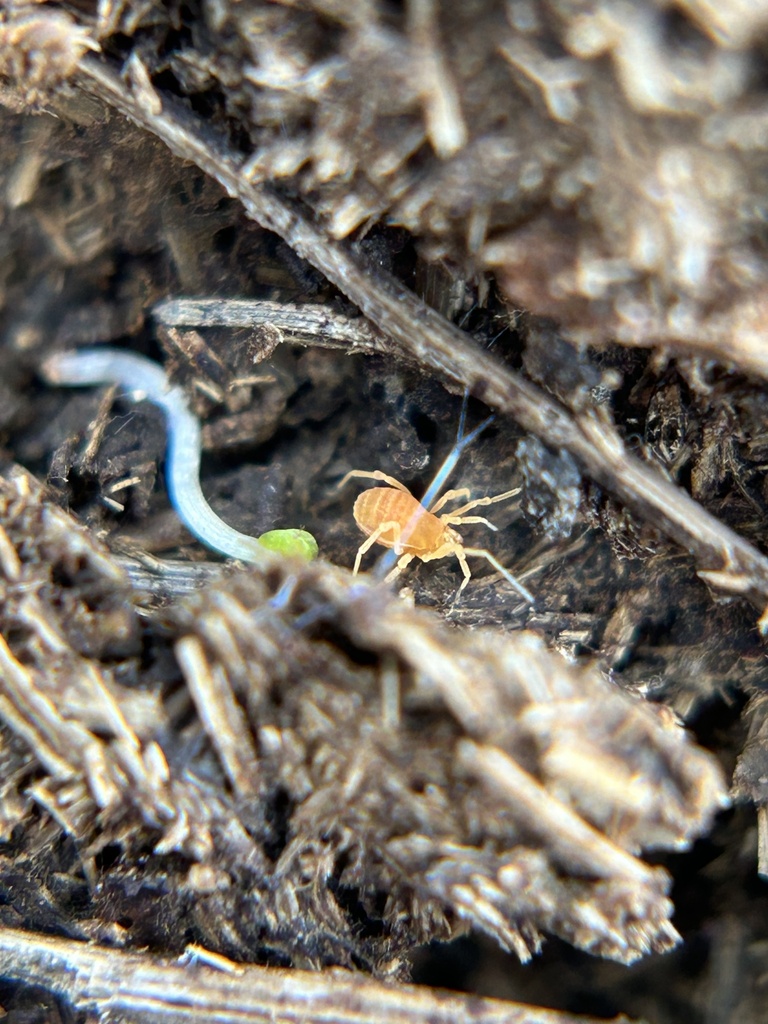
no rights reserved · CC0
Family: Phalangodidae · Class: Arachnida · Order: Opiliones
Conservation status: G1 S1
Calicina conifera (Crane Flat Harvestman) is a California animal in the Phalangodidae family.
The Crane Flat Harvestman (Calicina conifera) is an arachnid belonging to the order Opiliones, family Phalangodidae. This species represents one of the most geographically restricted harvestmen in North America, with a global conservation rank of G1 S1, indicating it is critically imperiled both globally and within California. Physical characteristics of C. conifera are consistent with other members of the Phalangodidae family, which are typically small-bodied harvestmen with relatively long legs. Like other harvestmen, this species possesses a compact, oval-shaped body with eight legs extending from the cephalothorax. The body is undivided, distinguishing harvestmen from true spiders, and lacks the ability to produce silk or venom. The species' range is extremely limited, endemic to a small area within California. The common name "Crane Flat Harvestman" suggests an association with the Crane Flat area, likely within or near Yosemite National Park in the Sierra Nevada mountains. This highly restricted distribution contributes significantly to the species' conservation concern, as populations confined to such small areas face elevated risks from habitat disturbance or environmental changes. Habitat requirements for C. conifera remain poorly documented in the scientific literature. Based on its taxonomic placement within Phalangodidae and its apparent montane distribution, the species likely inhabits forest floor environments, seeking shelter under logs, rocks, leaf litter, or other organic debris. Many phalangodid harvestmen are associated with moist microhabitats that provide stable humidity and temperature conditions. The Sierra Nevada location suggests adaptation to montane forest ecosystems, potentially including mixed conifer forests typical of the region. Ecological information for this species is limited. Like other harvestmen, C. conifera is likely omnivorous, feeding on small invertebrates, decaying organic matter, and occasionally plant material. Harvestmen are primarily nocturnal, emerging at night to forage while remaining hidden in protected microhabitats during daylight hours. Reproduction in phalangodid harvestmen typically involves direct transfer of sperm packets, with females depositing eggs in soil or organic matter where they undergo direct development without larval stages. The conservation status of C. conifera reflects its extremely restricted range and presumed small population size. With a G1 S1 ranking, this species faces significant extinction risk. Primary threats likely include habitat degradation, climate change impacts on montane ecosystems, and the inherent vulnerability associated with small, isolated populations. The species does not appear to have federal protection status under the Endangered Species Act, despite its critical conservation ranking. Forest management practices, recreational activities, and climate-driven changes to Sierra Nevada ecosystems could pose ongoing threats to remaining populations. Scientific documentation for this species remains extremely limited, reflecting the broader challenge of studying rare, endemic arachnids. Enhanced surveys and ecological research would improve understanding of population status, habitat requirements, and appropriate conservation strategies for this critically imperiled California endemic.
Classification
Class: Arachnida · Order: Opiliones · Family: Phalangodidae
Conservation status
G1 S1
Frequently asked questions
How is Calicina conifera classified?
Calicina conifera belongs to class Arachnida, order Opiliones, family Phalangodidae.
What family does Calicina conifera belong to?
Calicina conifera is in the Phalangodidae family.
Is Calicina conifera protected or of conservation concern?
Calicina conifera carries the following status: G1 S1.
What is Calicina conifera?
The Crane Flat Harvestman (Calicina conifera) is an arachnid belonging to the order Opiliones, family Phalangodidae.
Is Calicina conifera found in California?
Yes. Calicina conifera is recorded in California in The California Species Project's catalogue.
Related species
Other California species in the same genus, family, or bioregion.
Data from The California Species Project — 14,000+ California species with verified data from CNPS, CDFW, USFWS, and more.