Calicina dimorphica
Watts Valley Harvestman
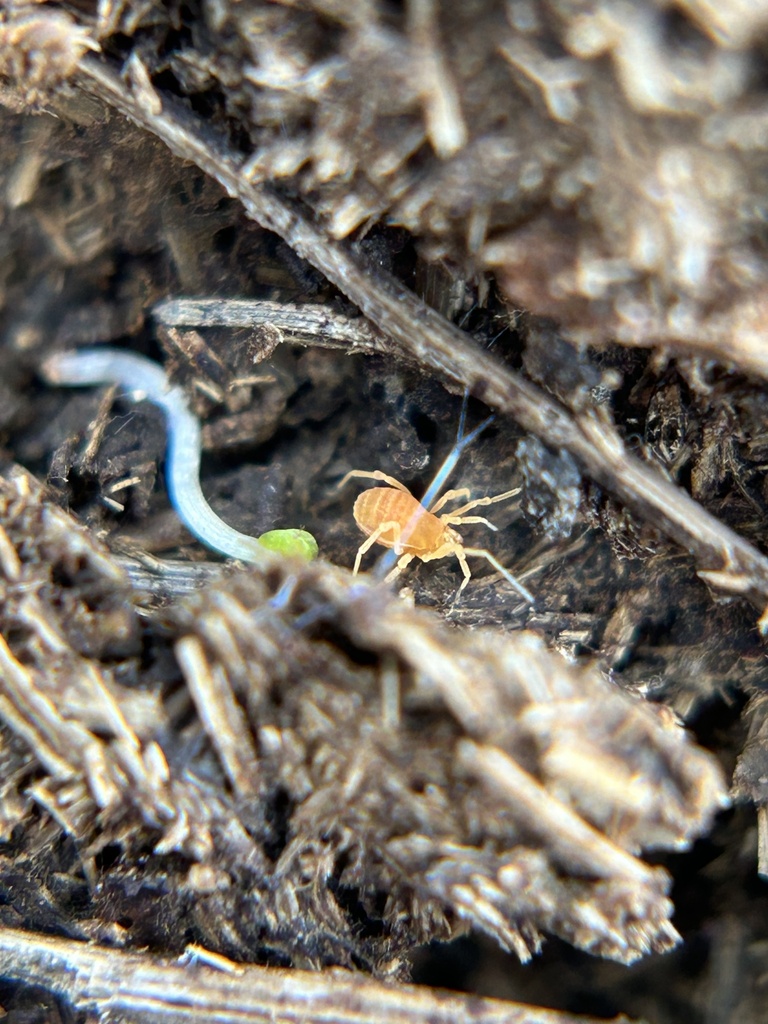
no rights reserved · CC0
Family: Phalangodidae · Class: Arachnida · Order: Opiliones
Conservation status: G1 S1
Calicina dimorphica (Watts Valley Harvestman) is a California animal in the Phalangodidae family.
The Watts Valley harvestman is a critically imperiled arachnid endemic to California's Central Valley. This species belongs to the order Opiliones, family Phalangodidae, and is distinguished from other harvestmen by unique morphological characteristics that led to its classification as a distinct species within the genus Calicina. Physical description details for Calicina dimorphica remain limited in the scientific literature. As a member of the family Phalangodidae, this species likely possesses the characteristic features of this group, including a relatively small body size and specialized leg structure typical of harvestmen. The species name 'dimorphica' suggests the presence of sexual dimorphism, indicating notable differences between males and females, though specific morphological details have not been comprehensively documented. The range of the Watts Valley harvestman is extremely restricted, representing one of the most geographically limited arachnids in North America. According to NatureServe, the species is known only from the type locality at the northeast entrance to Watts Valley in Fresno County, California. This location represents the sole documented occurrence of the species, highlighting its extremely narrow endemic distribution within the Central Valley region. Habitat requirements for this species are specific and apparently rare. NatureServe reports that specimens were found 'under granite in a grassland' environment. This microhabitat preference for granite substrates within grassland ecosystems suggests the species requires particular geological and vegetative conditions that may be uncommon even within its limited geographic range. The association with granite outcrops in grassland settings indicates this harvestman likely depends on the moisture and shelter provided by rock crevices and the specific microclimate created by this habitat combination. Ecological information about the Watts Valley harvestman remains largely undocumented. As with other harvestmen, this species likely feeds on small invertebrates, decomposing organic matter, and possibly plant material. Reproductive biology, seasonal activity patterns, and specific prey relationships have not been studied. The species' apparent restriction to a single microhabitat type suggests it may have highly specialized ecological requirements that limit its distribution and potentially its population size. Conservation status assessments reflect the precarious position of this endemic species. NatureServe assigns Calicina dimorphica a global rank of G1, indicating it is critically imperiled globally due to extreme rarity. The species also receives a state rank of S1 in California, reflecting its critical imperilment within the state. The U.S. Fish and Wildlife Service maintains taxonomic information for this species, indicating federal awareness of its conservation significance. The extremely limited known range, combined with the specific habitat requirements and apparent rarity, makes this species particularly vulnerable to habitat loss, climate change, and human disturbance. The lack of recent survey data means current population status and trends remain unknown, emphasizing the need for targeted surveys and habitat protection measures to ensure the species' continued existence.
Classification
Class: Arachnida · Order: Opiliones · Family: Phalangodidae
Conservation status
G1 S1
Frequently asked questions
How is Calicina dimorphica classified?
Calicina dimorphica belongs to class Arachnida, order Opiliones, family Phalangodidae.
What family does Calicina dimorphica belong to?
Calicina dimorphica is in the Phalangodidae family.
Is Calicina dimorphica protected or of conservation concern?
Calicina dimorphica carries the following status: G1 S1.
What is Calicina dimorphica?
The Watts Valley harvestman is a critically imperiled arachnid endemic to California's Central Valley.
Is Calicina dimorphica found in California?
Yes. Calicina dimorphica is recorded in California in The California Species Project's catalogue.
Related species
Other California species in the same genus, family, or bioregion.
Data from The California Species Project — 14,000+ California species with verified data from CNPS, CDFW, USFWS, and more.