Calicina mesaensis
Table Mountain Harvestman
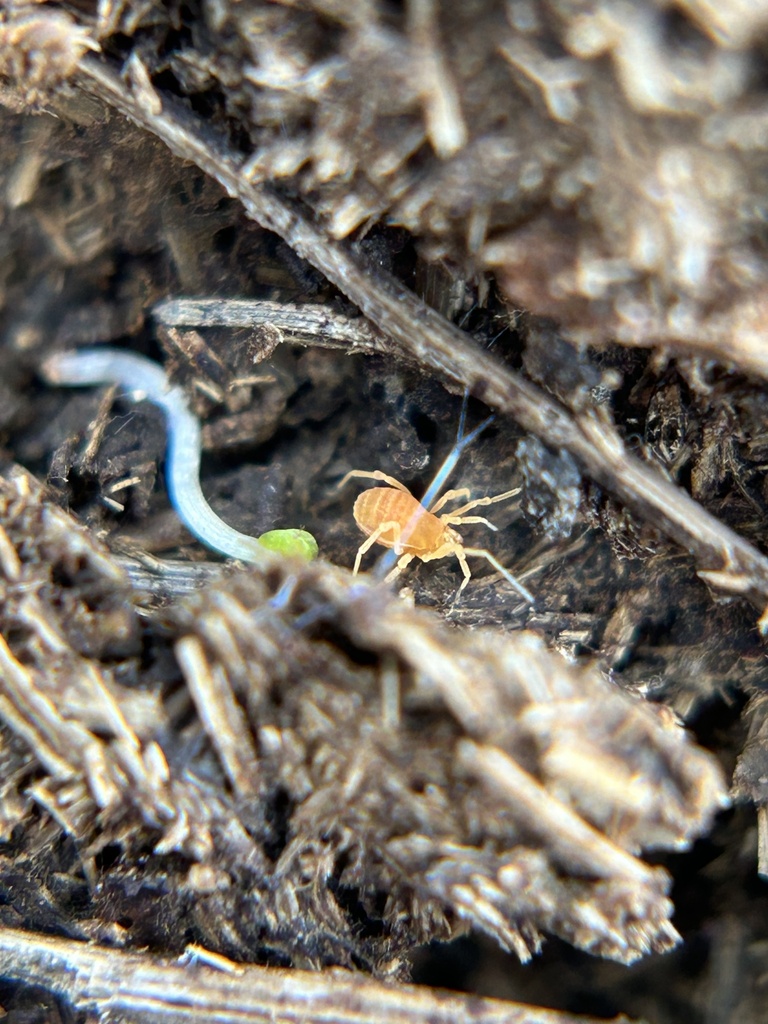
no rights reserved · CC0
Family: Phalangodidae · Class: Arachnida · Order: Opiliones
Conservation status: G1 S1
Calicina mesaensis (Table Mountain Harvestman) is a California animal in the Phalangodidae family.
The Table Mountain Harvestman (Calicina mesaensis) is a small arachnid belonging to the order Opiliones, commonly known as harvestmen or daddy longlegs. As a member of the genus Calicina, this species represents one of several harvestmen endemic to serpentine soil habitats of the San Francisco Bay Area. Like other harvestmen, it possesses a compact oval body with eight long, slender legs, distinguishing it from true spiders by its single body segment and lack of silk-producing capabilities. Calicina mesaensis is endemic to the greater San Francisco Bay Area and adjacent foothills and valleys in California. According to the USFWS Recovery Plan for Serpentine Soil Species, harvestmen in the genera Microcina and Calicina are restricted to San Francisco Bay Area serpentine soils. The species occurs within the discontinuous serpentine rock outcrops found in the Coast Ranges, where these unique geological formations create highly specialized habitat conditions. This harvestman is found exclusively in dry, nutrient-poor serpentine soil grasslands, a habitat type that supports numerous endemic species but covers only a fraction of California's landscape. The species requires very specific microhabitat conditions, occurring exclusively on the undersides of moist rocks situated within serpentine soil grasslands. These rock crevices provide the necessary humidity and temperature regulation that the species requires for survival. The serpentine soils are characterized by high concentrations of magnesium and heavy metals, creating harsh growing conditions that support specialized plant communities. Like other harvestmen, Calicina mesaensis is primarily nocturnal and feeds on small invertebrates, organic matter, and decomposing plant material. The species likely plays an important role in nutrient cycling within the serpentine grassland ecosystem. Harvestmen are generally predators and scavengers, using their long legs to probe crevices for prey. The species' dependence on moist microhabitats beneath rocks suggests it requires consistent humidity levels and is sensitive to desiccation. Reproductive biology and seasonal activity patterns for this species have not been well documented in the scientific literature. Calicina mesaensis has a global and state conservation ranking of G1 S1, indicating it is critically imperiled both globally and within California. The species faces significant conservation challenges due to habitat conversion and fragmentation. According to the USFWS Recovery Plan, conversion of habitat to urban and industrial uses has extirpated listed serpentine soil species from the majority of their historic ranges. The remaining natural serpentine soil grasslands represent only a small fraction of the original habitat extent. Urban development pressure in the San Francisco Bay Area continues to threaten the species' limited habitat. The highly fragmented nature of serpentine outcrops makes populations vulnerable to local extirpation from individual sites. Climate change may pose additional threats through altered precipitation patterns and increased temperatures that could affect the moist microhabitat conditions the species requires. Conservation of this harvestman depends on protecting remaining serpentine grassland sites and maintaining the specific rock and soil conditions necessary for its survival.
Classification
Class: Arachnida · Order: Opiliones · Family: Phalangodidae
Conservation status
G1 S1
Frequently asked questions
How is Calicina mesaensis classified?
Calicina mesaensis belongs to class Arachnida, order Opiliones, family Phalangodidae.
What family does Calicina mesaensis belong to?
Calicina mesaensis is in the Phalangodidae family.
Is Calicina mesaensis protected or of conservation concern?
Calicina mesaensis carries the following status: G1 S1.
What is Calicina mesaensis?
The Table Mountain Harvestman (Calicina mesaensis) is a small arachnid belonging to the order Opiliones, commonly known as harvestmen or daddy longlegs.
Is Calicina mesaensis found in California?
Yes. Calicina mesaensis is recorded in California in The California Species Project's catalogue.
Related species
Other California species in the same genus, family, or bioregion.
Data from The California Species Project — 14,000+ California species with verified data from CNPS, CDFW, USFWS, and more.