Californiconus californicus
California Cone
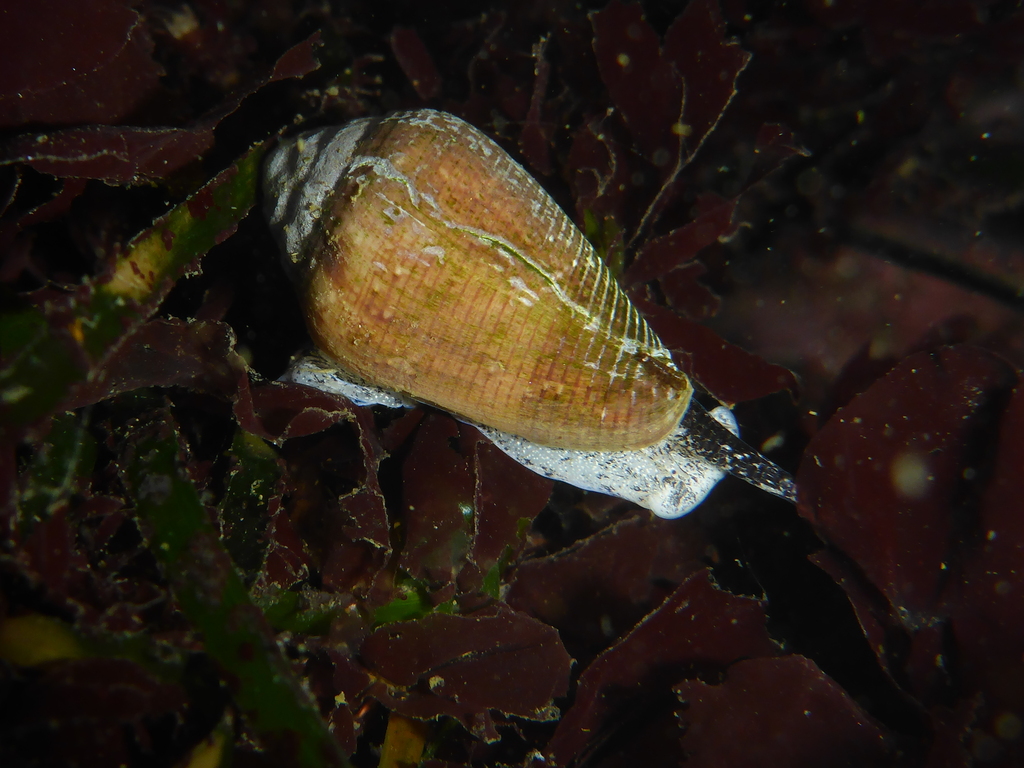
(c) Cricket Raspet, some rights reserved (CC BY) · licence
Family: Conidae · Class: Gastropoda · Order: Neogastropoda
Californiconus californicus (California Cone) is a California animal in the Conidae family.
Californiconus californicus, commonly known as the California cone or Californian cone, is a small predatory marine gastropod in the family Conidae. This sea snail represents the sole species within the genus Californiconus, distinguishing it from other cone snails through unique morphological and molecular characteristics (PMC 6410186). The shell typically measures 25-50 mm in length and displays a characteristic conical shape with brown and white banding patterns. The species possesses the family's distinctive proboscis, a specialized organ used for both environmental sensing and prey capture (Animal Diversity Web). The California cone is endemic to the coastal waters of California and Baja California, Mexico. Its range extends along the Pacific coast from central California southward, representing a relatively narrow geographic distribution compared to other cone snail species. This limited range contributes to its biogeographic significance as a regional endemic. This species inhabits rocky and sandy substrates from the low intertidal zone to depths of approximately 45 meters (SeaLifeBase). California cones are typically found in nearshore marine environments where they can access their preferred prey items. The species demonstrates adaptability to various bottom types within its depth range, from exposed rocky intertidals during low tides to deeper sandy areas offshore. As a predatory gastropod, C. californicus feeds primarily on marine worms and other small invertebrates. Like other cone snails, it employs a sophisticated hunting strategy using its extensible proboscis to inject venom into prey. The species' reproductive behavior involves the deposition of egg capsules, though specific details of its life cycle and mating behaviors require further documentation. The proboscis serves dual functions in both feeding and reproductive contexts, allowing the snail to sense environmental conditions and locate suitable mates (Animal Diversity Web). Californicous californicus has been classified as Least Concern by the IUCN, indicating that the species currently faces no immediate threat of extinction (Wikipedia). This conservation status reflects the species' relatively stable populations within its native range, despite its limited geographic distribution. The Least Concern designation is supported by the species' presence across a range of suitable habitats within California and Baja California waters (Grokipedia). However, like many marine species with restricted ranges, California cones could potentially face future challenges from climate change, ocean acidification, and coastal development pressures. The species' endemic status makes monitoring important for detecting any population changes that might warrant conservation attention. Current assessments suggest that existing populations remain viable, though continued research into the species' ecology and population dynamics would enhance understanding of its long-term conservation needs. The unique taxonomic position of C. californicus as the only species in its genus adds to its scientific importance for understanding cone snail evolution and biogeography along the Pacific coast.
Classification
Class: Gastropoda · Order: Neogastropoda · Family: Conidae
Frequently asked questions
How is Californiconus californicus classified?
Californiconus californicus belongs to class Gastropoda, order Neogastropoda, family Conidae.
What family does Californiconus californicus belong to?
Californiconus californicus is in the Conidae family.
What is Californiconus californicus?
Californiconus californicus, commonly known as the California cone or Californian cone, is a small predatory marine gastropod in the family Conidae.
Is Californiconus californicus found in California?
Yes. Californiconus californicus is recorded in California in The California Species Project's catalogue.
More California species
This species has no close relatives in our California data — here are other species to explore.
Data from The California Species Project — 14,000+ California species with verified data from CNPS, CDFW, USFWS, and more.