Californiulus yosemitensis
Yosemite Millipede
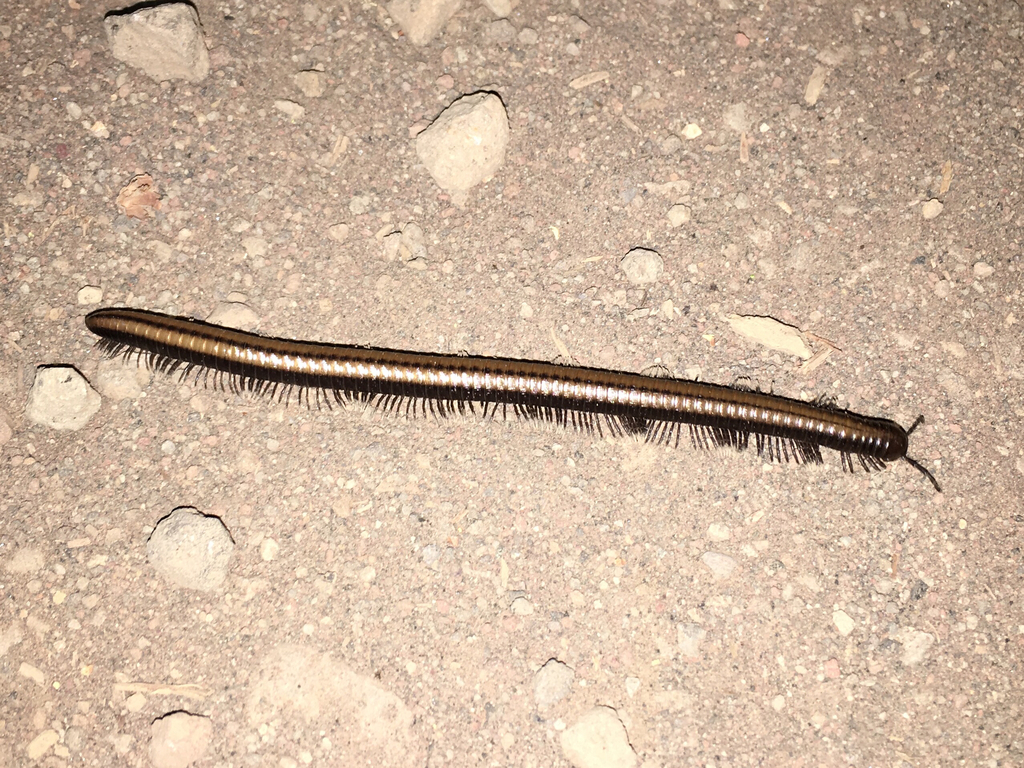
(c) Alex Shepard, some rights reserved (CC BY) · licence
Family: Paeromopodidae · Class: Diplopoda · Order: Julida
Californiulus yosemitensis (Yosemite Millipede) is a California animal in the Paeromopodidae family.
The Yosemite millipede is a segmented arthropod in the family Paeromopodidae, class Diplopoda. As a julid millipede, it possesses the characteristic cylindrical body form with two pairs of legs per body segment, distinguishing it from centipedes which have only one pair per segment. Specific morphological details including body length, coloration, and segment count have not been well documented in the scientific literature. Californiulus yosemitensis appears to be endemic to California, with its range likely centered in or near Yosemite National Park based on its common and scientific names. The genus Californiulus contains six species according to USFWS taxonomic data, suggesting a California-endemic lineage within the Paeromopodidae family. The family Paeromopodidae includes 14 total taxa across two genera and represents a relatively small group within the order Julida. Specific habitat requirements for this species remain poorly documented. Most julid millipedes typically inhabit moist soil environments, leaf litter, and decaying organic matter in forest ecosystems. Given its presumed association with the Yosemite region, the species likely occurs in montane forest habitats characteristic of the Sierra Nevada, potentially including mixed coniferous forests, oak woodlands, or riparian zones. Elevation preferences and microhabitat requirements have not been established through published research. Like other millipedes, C. yosemitensis is presumably a detritivore, feeding on decomposing plant material, fungi, and organic debris in the soil layer. Millipedes play important ecological roles as decomposers, breaking down organic matter and contributing to nutrient cycling in forest ecosystems. Reproductive biology, including seasonal activity patterns, mating behaviors, and developmental timing, has not been documented for this species. Most julid millipedes are relatively long-lived arthropods that may require several years to reach sexual maturity. The conservation status of the Yosemite millipede remains unclear. The species does not appear on federal endangered species lists or California state listing databases as of December 2025. However, the lack of recent scientific literature and detailed ecological studies suggests this species may be poorly known to researchers rather than necessarily secure. Many invertebrate species, particularly soil-dwelling arthropods like millipedes, remain understudied despite their ecological importance. Potential threats to millipede populations generally include habitat fragmentation, climate change effects on soil moisture regimes, and forest management practices that alter ground-layer conditions. The limited scientific documentation for Californiulus yosemitensis reflects a broader knowledge gap regarding California's millipede fauna. Systematic surveys and taxonomic research are needed to better understand the distribution, habitat requirements, and conservation needs of this and other native millipede species. Given California's high levels of endemism and ongoing environmental pressures, comprehensive invertebrate surveys in protected areas like Yosemite National Park could provide valuable baseline data for future conservation planning.
Classification
Class: Diplopoda · Order: Julida · Family: Paeromopodidae
Frequently asked questions
How is Californiulus yosemitensis classified?
Californiulus yosemitensis belongs to class Diplopoda, order Julida, family Paeromopodidae.
What family does Californiulus yosemitensis belong to?
Californiulus yosemitensis is in the Paeromopodidae family.
What is Californiulus yosemitensis?
The Yosemite millipede is a segmented arthropod in the family Paeromopodidae, class Diplopoda.
Is Californiulus yosemitensis found in California?
Yes. Californiulus yosemitensis is recorded in California in The California Species Project's catalogue.
Related species
Other California species in the same genus, family, or bioregion.
Data from The California Species Project — 14,000+ California species with verified data from CNPS, CDFW, USFWS, and more.