Calosoma luxatum
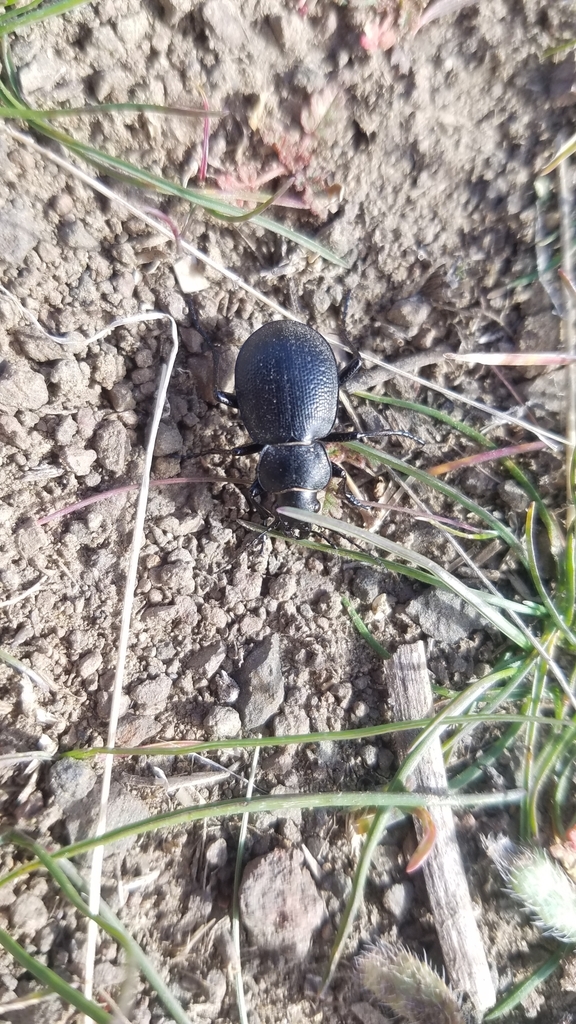
(c) RJ Baltierra, some rights reserved (CC BY) · licence
Family: Carabidae · Class: Insecta · Order: Coleoptera
Calosoma luxatum is a California animal in the Carabidae family.
Calosoma luxatum is a ground beetle belonging to the family Carabidae and the subgenus Callistenia. This species is classified within the tribe Carabini, a group of predatory beetles known for their active hunting behavior. Physical characteristics and detailed morphological descriptions for this species have not been well documented in readily accessible scientific literature. The distribution of Calosoma luxatum spans multiple regions of North America, though specific range boundaries and population centers remain poorly documented. According to NatureServe, the species has a global conservation status of G5, indicating it is demonstrably secure globally with no overall conservation concerns (NatureServe 2018). This ranking suggests the species maintains stable populations across its range, though detailed distribution data within California specifically has not been comprehensively mapped. Habitat preferences for Calosoma luxatum have not been thoroughly studied or documented in available scientific literature. As a member of the Carabidae family, this species likely inhabits terrestrial environments where it can actively hunt prey, but specific microhabitat requirements, elevation preferences, and vegetation associations remain unknown. Ground beetles typically occupy diverse habitats ranging from forest floors to open grasslands, but the particular ecological niche of C. luxatum requires further research. Like other members of the genus Calosoma, this species is presumably predatory, feeding on various invertebrates. Calosoma beetles are generally known as beneficial predators that help control pest insect populations, but the specific prey preferences, hunting strategies, and reproductive biology of C. luxatum have not been documented. Seasonal activity patterns, mating behaviors, and larval development stages remain unstudied for this species. The conservation status of Calosoma luxatum appears stable based on its G5 global ranking from NatureServe. The species is not listed under federal or state endangered species protections, suggesting current populations are not considered at risk. However, the lack of detailed ecological studies means potential threats or population trends are not well understood. Climate change, habitat modification, and pesticide use could potentially impact ground beetle populations, but species-specific vulnerability assessments have not been conducted. Scientific documentation for Calosoma luxatum remains extremely limited despite its recognition in taxonomic databases. The information presented here synthesizes available data from USFWS taxonomic records and NatureServe conservation assessments. Detailed field studies examining this species' biology, distribution patterns, and ecological relationships are needed to develop a comprehensive understanding of its natural history. We welcome contributions of verified scientific data, photographs, or field observations to enhance this species account.
Classification
Class: Insecta · Order: Coleoptera · Family: Carabidae
Frequently asked questions
How is Calosoma luxatum classified?
Calosoma luxatum belongs to class Insecta, order Coleoptera, family Carabidae.
What family does Calosoma luxatum belong to?
Calosoma luxatum is in the Carabidae family.
What is Calosoma luxatum?
Calosoma luxatum is a ground beetle belonging to the family Carabidae and the subgenus Callistenia.
Is Calosoma luxatum found in California?
Yes. Calosoma luxatum is recorded in California in The California Species Project's catalogue.
Related species
Other California species in the same genus, family, or bioregion.
Data from The California Species Project — 14,000+ California species with verified data from CNPS, CDFW, USFWS, and more.