Catoptria oregonica
Oregon Catroptria
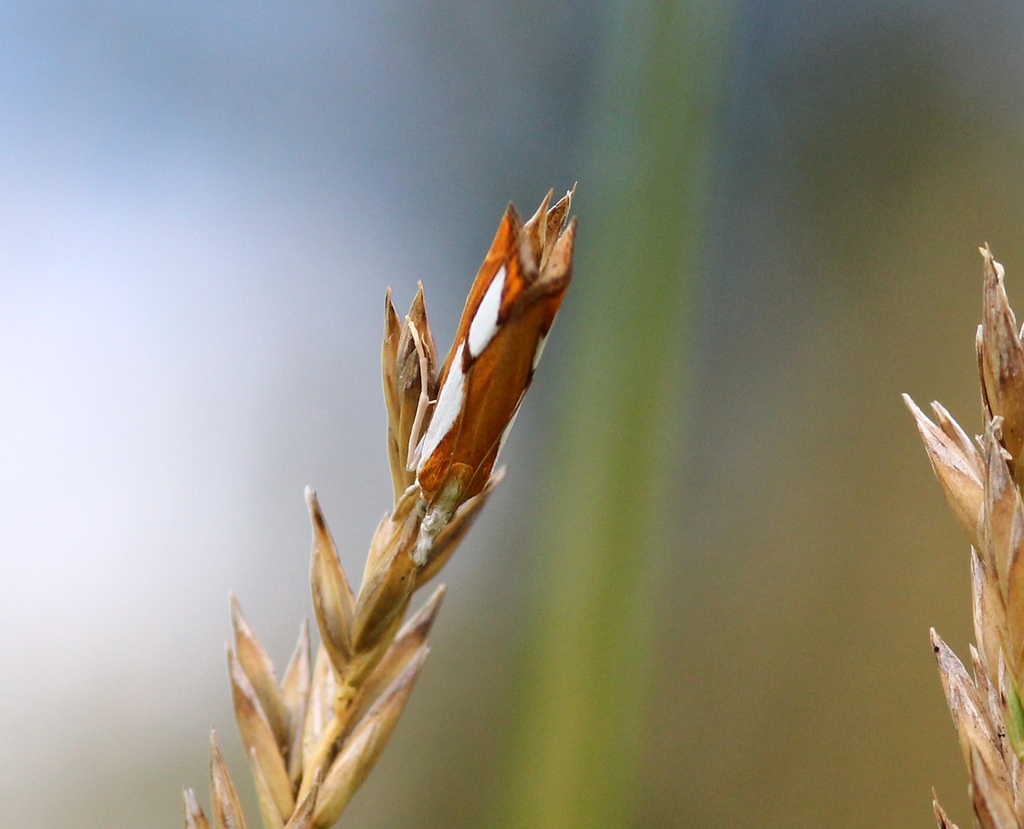
(c) Stefan Haag, some rights reserved (CC BY) · licence
Family: Crambidae · Class: Insecta · Order: Lepidoptera
Catoptria oregonica (Oregon Catroptria) is a California animal in the Crambidae family.
The Oregon Catoptria (Catoptria oregonica) is a small moth in the family Crambidae, commonly known as grass moths. This species exhibits the typical characteristics of its genus, with narrow forewings and relatively modest proportions common to crambid moths. Adults display muted coloration patterns that provide effective camouflage among grasses and low vegetation. Catoptria oregonica occurs across western North America, with documented records from Alaska south through British Columbia, Washington, Oregon, Idaho, and northern California. The species has been recorded from southeastern Alaska, including Skagway (Lepidoptera Season Summary 2018), and extends southward through the Pacific Northwest. In Idaho, specimens have been collected at locations including Thompson Flats Campground in Cassia County and Willow Flats Campground in Franklin County (Lepidoptera Season Summary 2010). The moth's range encompasses both coastal and interior regions of the Pacific Northwest. This species inhabits diverse habitats from sea level to moderate elevations in mountainous terrain. Records indicate the moth occurs in campgrounds, grasslands, and areas with mixed vegetation. Idaho collections were made at elevations ranging from lower valley floors to mid-elevation camping areas. The species appears to favor locations with abundant grasses and herbaceous plants, consistent with the ecological preferences of other Catoptria species. Oregon Catoptria moths are primarily active during summer months, with most records occurring from June through August. Adult flight period peaks in July, when specimens have been collected at various locations throughout the range (Lepidoptera Season Summary 2018). Like other members of the genus Catoptria, larvae likely feed on grasses and related monocotyledonous plants. The species exhibits typical moth behavior, being attracted to artificial lights during evening and nighttime hours, as evidenced by collection records at mercury vapor and incandescent light sources. The conservation status of Catoptria oregonica has not been formally assessed, and the species currently lacks federal or state protection. Population trends remain poorly documented due to limited systematic surveys targeting this and related small moth species. The moth's widespread distribution across multiple states and provinces suggests relatively stable populations, though specific abundance data are lacking. Habitat modification and conversion of native grasslands to agriculture or development may pose localized threats, particularly in rapidly developing areas of the Pacific Northwest. Climate change could potentially affect the species' distribution and seasonal timing, as documented for other lepidopteran species in the region. Scientific documentation for this species remains limited compared to larger, more conspicuous moths. The information presented here synthesizes available records from lepidopteran survey reports and regional checklists. Additional research on life history, host plant relationships, and population dynamics would enhance understanding of this species' ecological requirements and conservation needs.
Classification
Class: Insecta · Order: Lepidoptera · Family: Crambidae
Frequently asked questions
How is Catoptria oregonica classified?
Catoptria oregonica belongs to class Insecta, order Lepidoptera, family Crambidae.
What family does Catoptria oregonica belong to?
Catoptria oregonica is in the Crambidae family.
What is Catoptria oregonica?
The Oregon Catoptria (Catoptria oregonica) is a small moth in the family Crambidae, commonly known as grass moths.
Is Catoptria oregonica found in California?
Yes. Catoptria oregonica is recorded in California in The California Species Project's catalogue.
Related species
Other California species in the same genus, family, or bioregion.
Data from The California Species Project — 14,000+ California species with verified data from CNPS, CDFW, USFWS, and more.