Catostomus microps
Modoc sucker
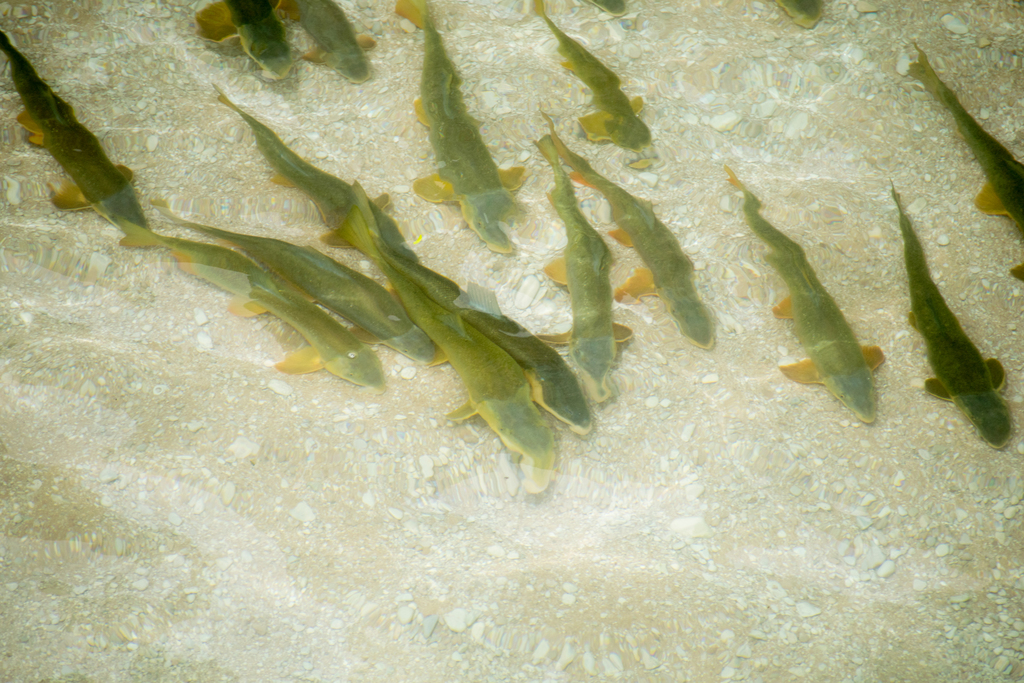
(c) Boris Grozev, some rights reserved (CC BY) · licence
Family: Catostomidae · Class: Actinopterygii · Order: Cypriniformes
Conservation status: FP · Delisted (Recovered) · G2 S2
Catostomus microps (Modoc sucker) is a California animal in the Catostomidae family.
The Modoc sucker is a small freshwater fish endemic to northeastern California and south-central Oregon. Adults typically measure 100 to 200 mm (4 to 8 inches) in total length, with a maximum recorded length of approximately 250 mm (10 inches). The species exhibits the characteristic sucker body form with a subterminal mouth positioned on the underside of the head for bottom feeding. The body is elongated and somewhat compressed laterally, with a brownish-olive coloration on the dorsal surface grading to lighter yellowish tones on the sides and belly. Dark mottling or blotching patterns are present along the sides, providing camouflage against stream substrates. The dorsal and caudal fins display dusky coloration with darker rays. Historically, the Modoc sucker occurred in tributaries of the Pit River system in northeastern California, including Rush Creek, Ash Creek, and Turner Creek, as well as in creeks within the upper Klamath River basin in Oregon. The species was once found in Modoc, Lassen, and Shasta counties in California. Current distribution remains within this general range, though specific population locations have been monitored as part of recovery efforts. Modoc suckers inhabit cool, clear streams and creeks with rocky or gravelly substrates at elevations ranging from approximately 1,200 to 1,500 meters (4,000 to 5,000 feet). The species requires flowing water with adequate dissolved oxygen levels and temperatures that remain relatively cool year-round. Preferred habitat includes pools and runs with moderate current velocity, along with areas containing undercut banks and instream cover such as boulders and woody debris. Water temperatures in occupied habitats typically range from 10 to 18 degrees Celsius (50 to 64 degrees Fahrenheit). As benthic feeders, Modoc suckers consume algae, aquatic invertebrates, and organic detritus scraped from substrate surfaces using their specialized mouth structure. The diet consists primarily of chironomid larvae, mayfly nymphs, caddisfly larvae, and filamentous algae. Spawning occurs from late spring through early summer, typically between May and July, when adults move into shallow riffle areas with gravel substrates suitable for egg deposition. Females deposit adhesive eggs in redds constructed in gravel beds, with males fertilizing the eggs externally. The Modoc sucker was originally listed as endangered under the Endangered Species Act in 1985 due to habitat degradation, water diversions, and introduced species competition. Through collaborative conservation efforts involving habitat restoration, water management improvements, and removal of non-native fish species, populations recovered sufficiently to warrant delisting. The U.S. Fish and Wildlife Service removed the species from the endangered species list in 2016, marking a successful recovery. According to the California Department of Fish and Wildlife, the species has recovered and currently maintains stable populations within its native range. The species retains Fully Protected status in California, providing continued state-level protection.
Classification
Class: Actinopterygii · Order: Cypriniformes · Family: Catostomidae
Conservation status
FP · Delisted (Recovered) · G2 S2
Frequently asked questions
How is Catostomus microps classified?
Catostomus microps belongs to class Actinopterygii, order Cypriniformes, family Catostomidae.
What family does Catostomus microps belong to?
Catostomus microps is in the Catostomidae family.
Is Catostomus microps protected or of conservation concern?
Catostomus microps carries the following status: FP · Delisted (Recovered) · G2 S2.
What is Catostomus microps?
The Modoc sucker is a small freshwater fish endemic to northeastern California and south-central Oregon.
Is Catostomus microps found in California?
Yes. Catostomus microps is recorded in California in The California Species Project's catalogue.
Related species
Other California species in the same genus, family, or bioregion.
Data from The California Species Project — 14,000+ California species with verified data from CNPS, CDFW, USFWS, and more.