Catostomus occidentalis lacusanserinus
Goose Lake sucker
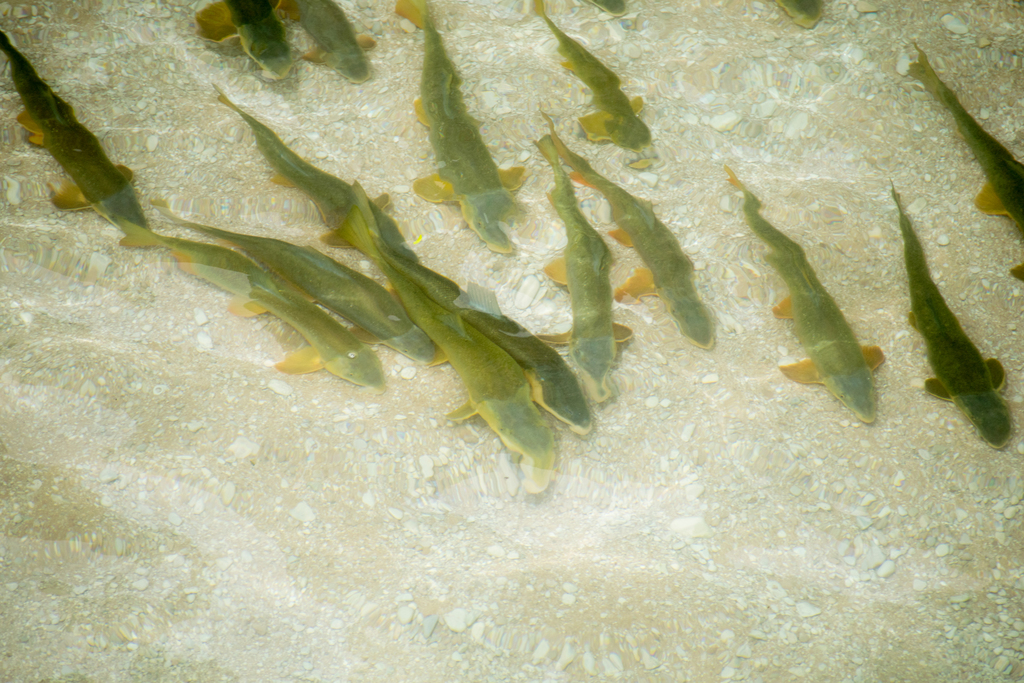
(c) Boris Grozev, some rights reserved (CC BY) · licence
Family: Catostomidae · Class: Actinopterygii · Order: Cypriniformes
Conservation status: G5T2Q S1
Catostomus occidentalis lacusanserinus (Goose Lake sucker) is a California animal in the Catostomidae family.
The Goose Lake sucker (Catostomus occidentalis lacusanserinus) is a subspecies of largescale sucker endemic to the Goose Lake basin in northeastern California and south-central Oregon. This freshwater fish belongs to the family Catostomidae and represents one of the most geographically restricted fish taxa in the region. Adults typically measure 200 to 400 mm (7.9 to 15.7 inches) in total length, with a robust, cylindrical body characteristic of suckers. The species displays a brownish to olive-green dorsal coloration with lighter sides and a pale ventral surface. The head is relatively large with a subterminal mouth equipped with thick, papillose lips adapted for bottom feeding. Distinguishing features include a moderately forked caudal fin and scales that are larger than those found in related sucker species. Historically, the Goose Lake sucker was distributed throughout Goose Lake and its tributaries in Modoc County, California, and Lake County, Oregon. The subspecies evolved in isolation within this closed basin system, which has no natural outlet to the ocean. Current distribution is significantly reduced from historical levels, with populations now restricted to a few tributary streams and limited areas of Goose Lake when water levels permit. The species has been extirpated from many previously occupied habitats due to habitat modifications and water diversions. Goose Lake suckers inhabit cool, clear waters including lake margins, tributary streams, and associated wetland areas. The species requires areas with clean gravel and cobble substrates for spawning, typically in water depths ranging from 0.5 to 3 meters. During drought periods when Goose Lake desiccates, populations persist in permanent tributary streams such as Cottonwood Creek and Thomas Creek. Water temperature preferences range from 10 to 20 degrees Celsius, with the species showing sensitivity to elevated temperatures and reduced dissolved oxygen levels. The Goose Lake sucker is a benthic feeder, using its specialized mouth to scrape algae, detritus, and small invertebrates from rocky substrates. Spawning occurs in spring, typically from April through June, when adults migrate from lake habitats into tributary streams. Females deposit adhesive eggs in gravel nests prepared in shallow riffles. Sexual maturity is reached at approximately three to four years of age. The species exhibits schooling behavior in lake environments but becomes more solitary during spawning migrations. The Goose Lake sucker is classified as critically imperiled with a global rank of G5T2Q and state rank of S1 in California, indicating extreme rarity and vulnerability to extinction. Primary threats include habitat loss from agricultural diversions, grazing impacts, drought cycles that periodically dry Goose Lake, and competition with introduced fish species. Water level fluctuations in Goose Lake, exacerbated by agricultural water use and climate variability, have created unstable conditions for the subspecies. Recent surveys indicate severely reduced population numbers compared to historical abundance, with the subspecies persisting in fewer than ten known locations. Conservation efforts focus on habitat restoration in tributary streams and water management strategies to maintain connectivity between lake and stream habitats.
Classification
Class: Actinopterygii · Order: Cypriniformes · Family: Catostomidae
Conservation status
G5T2Q S1
Frequently asked questions
How is Catostomus occidentalis lacusanserinus classified?
Catostomus occidentalis lacusanserinus belongs to class Actinopterygii, order Cypriniformes, family Catostomidae.
What family does Catostomus occidentalis lacusanserinus belong to?
Catostomus occidentalis lacusanserinus is in the Catostomidae family.
Is Catostomus occidentalis lacusanserinus protected or of conservation concern?
Catostomus occidentalis lacusanserinus carries the following status: G5T2Q S1.
What is Catostomus occidentalis lacusanserinus?
The Goose Lake sucker (Catostomus occidentalis lacusanserinus) is a subspecies of largescale sucker endemic to the Goose Lake basin in northeastern California and south-central Oregon.
Is Catostomus occidentalis lacusanserinus found in California?
Yes. Catostomus occidentalis lacusanserinus is recorded in California in The California Species Project's catalogue.
Related species
Other California species in the same genus, family, or bioregion.
Data from The California Species Project — 14,000+ California species with verified data from CNPS, CDFW, USFWS, and more.