Catostomus occidentalis occidentalis
Sacramento sucker
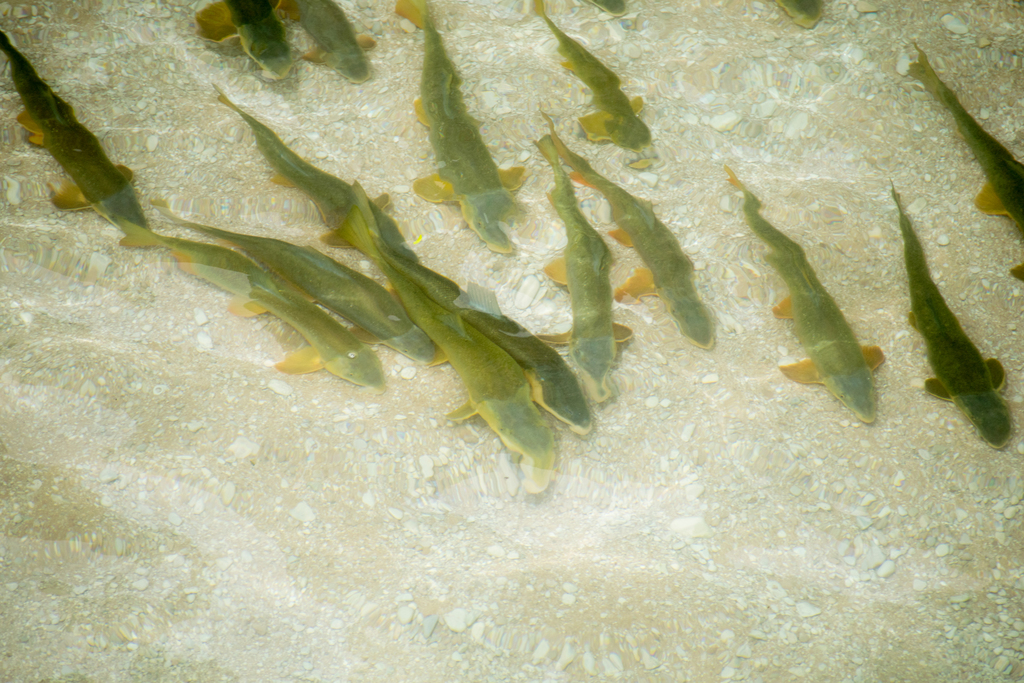
(c) Boris Grozev, some rights reserved (CC BY) · licence
Family: Catostomidae · Class: Actinopterygii · Order: Cypriniformes
Catostomus occidentalis occidentalis (Sacramento sucker) is a California animal in the Catostomidae family.
The Sacramento sucker (Catostomus occidentalis) is a medium-sized freshwater fish endemic to California's Central Valley and coastal drainages. Adults typically measure 200-400 mm (7.9-15.7 inches) in standard length, with a robust, cylindrical body and a distinctly inferior, sucker-like mouth adapted for bottom feeding. The species displays a dark olive-green to brownish dorsal coloration that grades to yellowish or silver on the sides and belly. Juveniles often exhibit a mottled pattern with dark blotches along the sides that fade with maturity. The dorsal fin contains 10-12 rays, and the species lacks the prominent breeding tubercles found in many other sucker species. Historically, Sacramento suckers were distributed throughout the Central Valley from the Sacramento and San Joaquin river systems, extending into coastal drainages from the Russian River south to the Salinas River system. The species also occurred in the Pajaro River and several smaller coastal watersheds. Today, populations persist in many of these systems but have been extirpated from significant portions of their historical range, particularly in the heavily modified Central Valley where habitat alteration and water diversions have fragmented populations. Sacramento suckers inhabit a variety of freshwater habitats, from swift mountain streams to nearly stagnant sloughs, but are most abundant in pools of clear, cold streams and in lakes and reservoirs (NatureServe Explorer). They prefer areas with rocky or gravel substrates in water temperatures typically below 24°C (75°F). The species demonstrates considerable habitat flexibility, occurring from near sea level to elevations exceeding 1,500 meters (4,900 feet) in foothill and montane environments. Adults often move between deeper pools and shallow riffle areas depending on seasonal conditions and life stage requirements. As bottom feeders, Sacramento suckers consume algae, detritus, aquatic invertebrates, and small crustaceans scraped from substrate surfaces. Spawning typically occurs from March through June when water temperatures reach 12-18°C (54-64°F). Adults migrate upstream to shallow gravel beds where females deposit adhesive eggs in redds constructed by males. Females can produce 3,000-20,000 eggs depending on body size. Juveniles remain in shallow areas for their first year before moving to deeper habitats. The Sacramento sucker is not federally or state listed but faces ongoing population pressures from habitat modification, water diversions, and competition with introduced species. Dam construction has blocked traditional spawning migrations in many watersheds, while urbanization and agricultural development have degraded riparian habitats. Water quality impacts from agricultural runoff and urban pollution pose additional threats. Despite these challenges, the species remains relatively widespread compared to other native California freshwater fishes, though long-term population trends indicate continued decline in many systems. Conservation efforts focus on habitat restoration, fish passage improvements, and maintaining adequate instream flows in key watersheds. The trinomial nomenclature Catostomus occidentalis occidentalis designates the nominate subspecies of Sacramento sucker. However, limited specific data exists for this particular subspecies designation, and most scientific literature and management documents address the species as a whole rather than recognizing distinct subspecies populations.
Classification
Class: Actinopterygii · Order: Cypriniformes · Family: Catostomidae
Frequently asked questions
How is Catostomus occidentalis occidentalis classified?
Catostomus occidentalis occidentalis belongs to class Actinopterygii, order Cypriniformes, family Catostomidae.
What family does Catostomus occidentalis occidentalis belong to?
Catostomus occidentalis occidentalis is in the Catostomidae family.
What is Catostomus occidentalis occidentalis?
The Sacramento sucker (Catostomus occidentalis) is a medium-sized freshwater fish endemic to California's Central Valley and coastal drainages.
Is Catostomus occidentalis occidentalis found in California?
Yes. Catostomus occidentalis occidentalis is recorded in California in The California Species Project's catalogue.
Related species
Other California species in the same genus, family, or bioregion.
Data from The California Species Project — 14,000+ California species with verified data from CNPS, CDFW, USFWS, and more.