Catostomus platyrhynchus
Mountain sucker
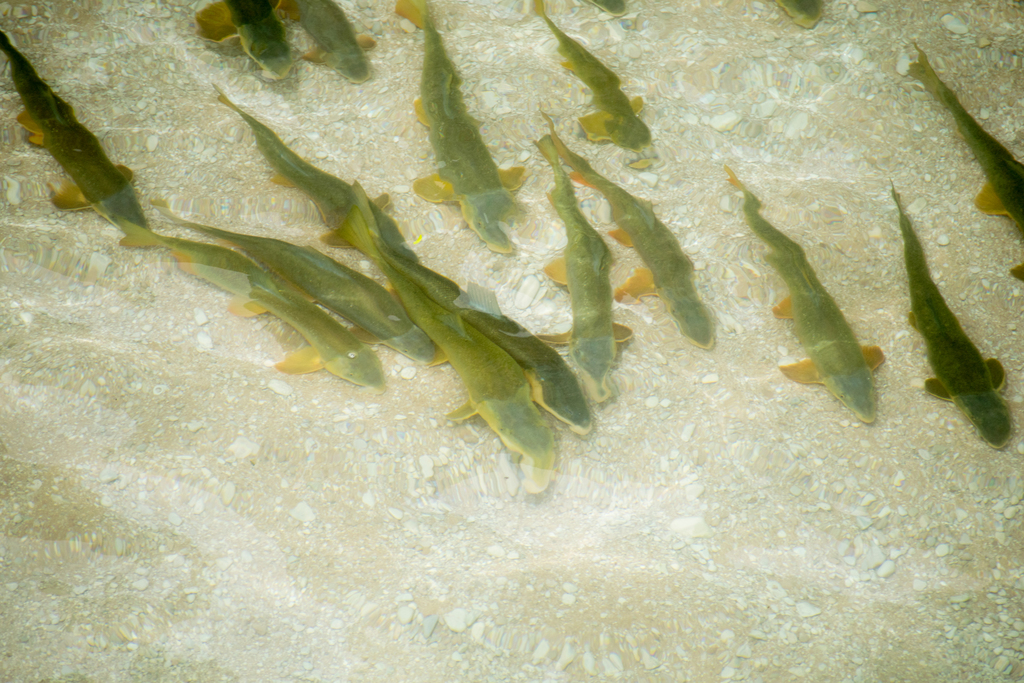
(c) Boris Grozev, some rights reserved (CC BY) · licence
Family: Catostomidae · Class: Actinopterygii · Order: Cypriniformes
Conservation status: G5 S3
Catostomus platyrhynchus (Mountain sucker) is a California animal in the Catostomidae family.
The mountain sucker is a medium-sized freshwater fish endemic to western North America. Adults typically measure 150 to 250 mm (6 to 10 inches) in total length, with a maximum recorded length of 330 mm (13 inches). The species displays the characteristic sucker family body form, with an elongated, slightly compressed profile and a distinctive subterminal mouth positioned on the underside of the head. The lips are thick and papillose, adapted for rasping algae and organic matter from rocky substrates. Coloration varies from olive-brown to dark gray dorsally, fading to pale yellow or white ventrally. Breeding males develop tubercles on the head and anterior body during spawning season. Historically, mountain suckers inhabited clear, cold streams throughout much of the western United States, including the Colorado River basin, Columbia River system, and portions of the Great Basin. In California, the species occurs in the eastern Sierra Nevada region, primarily in tributaries of the Owens River system and select streams in the Lahontan Basin. Current distribution is fragmented compared to historical range, with populations isolated in scattered stream segments. Mountain suckers require cool, well-oxygenated waters with rocky or gravel substrates. The species typically inhabits streams with temperatures below 20°C (68°F) and elevations ranging from 1,200 to 2,400 meters (4,000 to 8,000 feet). Adults prefer pools and runs with moderate current velocity, while juveniles often occupy shallow riffle areas with cobble substrates. Clean gravel beds are essential for successful reproduction, as eggs are deposited in redds excavated in these areas. Mountain suckers are primarily herbivorous, feeding on periphyton, algae, and organic detritus scraped from rock surfaces using their specialized mouth structure. Diet may include small invertebrates, particularly chironomid larvae and mayfly nymphs. Spawning occurs from April through June, depending on water temperature and elevation. Males establish territories over suitable spawning gravels, where females deposit 1,000 to 4,000 adhesive eggs. Eggs incubate for 2 to 3 weeks before hatching. Sexual maturity is typically reached at 3 to 4 years of age, with maximum lifespan extending to 8 years. The mountain sucker holds a Global rank of G5 (secure) but a California State rank of S3 (vulnerable), reflecting the species' restricted and fragmented distribution within the state. Primary threats include habitat modification from water diversions, livestock grazing impacts that increase sedimentation, and competition from introduced fish species. Stream channelization and flow alterations have eliminated spawning habitat in some watersheds. Climate change poses additional risks through increased water temperatures and altered precipitation patterns that may reduce suitable habitat. Conservation efforts focus on maintaining instream flows, reducing sediment inputs, and protecting spawning areas from disturbance during critical breeding periods.
Classification
Class: Actinopterygii · Order: Cypriniformes · Family: Catostomidae
Conservation status
G5 S3
Frequently asked questions
How is Catostomus platyrhynchus classified?
Catostomus platyrhynchus belongs to class Actinopterygii, order Cypriniformes, family Catostomidae.
What family does Catostomus platyrhynchus belong to?
Catostomus platyrhynchus is in the Catostomidae family.
Is Catostomus platyrhynchus protected or of conservation concern?
Catostomus platyrhynchus carries the following status: G5 S3.
What is Catostomus platyrhynchus?
The mountain sucker is a medium-sized freshwater fish endemic to western North America.
Is Catostomus platyrhynchus found in California?
Yes. Catostomus platyrhynchus is recorded in California in The California Species Project's catalogue.
Related species
Other California species in the same genus, family, or bioregion.
Data from The California Species Project — 14,000+ California species with verified data from CNPS, CDFW, USFWS, and more.