Catostomus rimiculus
Klamath smallscale sucker
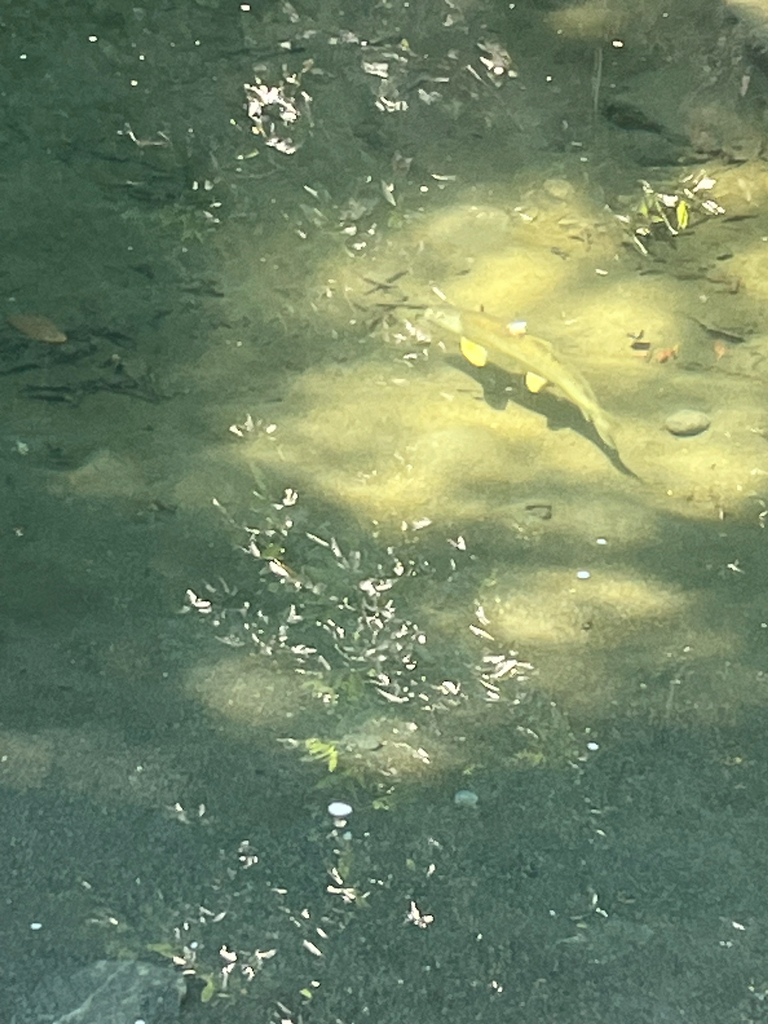
no rights reserved · CC0
Family: Catostomidae · Class: Actinopterygii · Order: Cypriniformes
Catostomus rimiculus (Klamath smallscale sucker) is a California animal in the Catostomidae family.
The Klamath smallscale sucker is a freshwater fish endemic to the Klamath River basin in northern California and southern Oregon. This catostomid species is distinguished from other suckers in the region by its smaller scale size, which gives rise to its common name. Adults typically measure 15 to 30 centimeters (6 to 12 inches) in length, with a streamlined body adapted for life in flowing waters. The species exhibits the characteristic sucker mouth structure with thick, fleshy lips positioned on the underside of the head for bottom feeding. The Klamath smallscale sucker occurs throughout the Klamath River drainage system, from the mainstem Klamath River to major tributaries including the Trinity River system. The species is found in both California and Oregon portions of the basin. According to USFWS monitoring reports, the species is relatively abundant in certain areas, including the mainstem Trinity River and Klamath River systems (USFWS 2009). The distribution overlaps with three other sucker species native to the Klamath basin: Klamath largescale sucker, Lost River sucker, and shortnose sucker. This species inhabits a variety of freshwater environments within the Klamath basin, from large mainstem rivers to smaller tributary streams. Klamath smallscale suckers prefer areas with rocky or gravelly substrates where they can feed effectively. The species tolerates a range of water temperatures and flow conditions typical of the diverse habitats found throughout the Klamath drainage. They are commonly found in areas with moderate to swift currents and are adapted to the seasonal flow variations characteristic of the region. Klamath smallscale suckers are benthic feeders, using their specialized mouth structure to scrape algae, detritus, and small invertebrates from substrate surfaces. Like other catostomids, they play an important ecological role as both consumers of benthic materials and prey for larger predatory fish and birds. Spawning behavior follows typical sucker patterns, with adults moving to suitable gravel beds during spring months to reproduce. Juveniles develop in nursery habitats before recruiting to adult populations. The Klamath smallscale sucker does not currently hold federal or state listing status, distinguishing it from the federally endangered Lost River sucker and shortnose sucker that also occur in the Klamath basin. However, like all native fish species in the Klamath system, it faces challenges from habitat modification, water management practices, and competition from introduced species. The species benefits from ongoing restoration efforts in the Klamath basin, including dam removal projects and habitat enhancement programs designed to improve conditions for native fish communities. NatureServe assigns the species a global conservation status of G5, indicating it is secure rangewide (NatureServe 2011).
Classification
Class: Actinopterygii · Order: Cypriniformes · Family: Catostomidae
Frequently asked questions
How is Catostomus rimiculus classified?
Catostomus rimiculus belongs to class Actinopterygii, order Cypriniformes, family Catostomidae.
What family does Catostomus rimiculus belong to?
Catostomus rimiculus is in the Catostomidae family.
What is Catostomus rimiculus?
The Klamath smallscale sucker is a freshwater fish endemic to the Klamath River basin in northern California and southern Oregon.
Is Catostomus rimiculus found in California?
Yes. Catostomus rimiculus is recorded in California in The California Species Project's catalogue.
Related species
Other California species in the same genus, family, or bioregion.
Data from The California Species Project — 14,000+ California species with verified data from CNPS, CDFW, USFWS, and more.