Ceranemota amplifascia
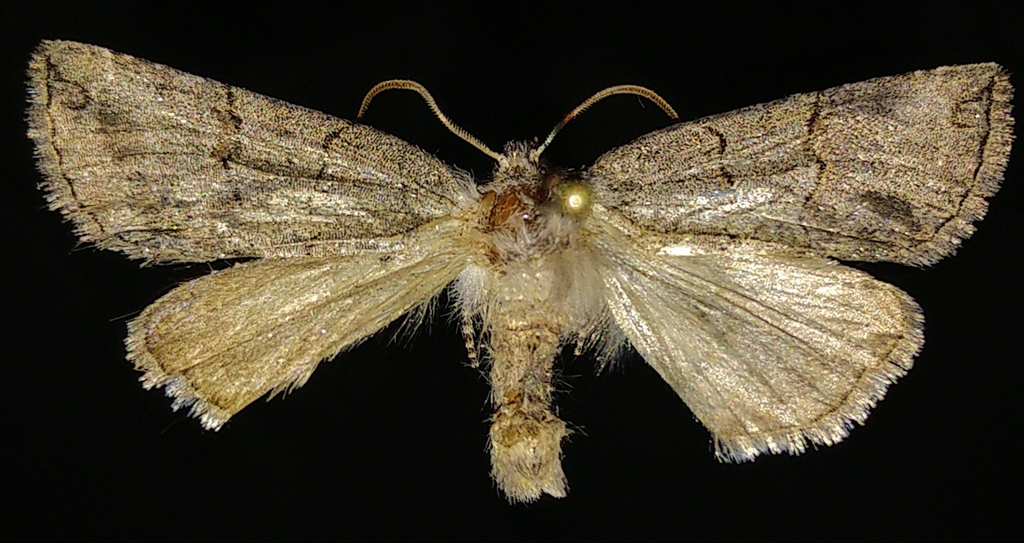
(c) Doug Macaulay, some rights reserved (CC BY) · licence
Family: Drepanidae · Class: Insecta · Order: Lepidoptera
Ceranemota amplifascia is a California animal in the Drepanidae family.
Ceranemota amplifascia is a moth species in the family Drepanidae, a group commonly known as hook-tip moths. This species belongs to the subfamily Drepaninae, characterized by their distinctive wing shape with a curved or hooked forewing tip. Like other members of this family, C. amplifascia likely displays the typical hook-tip moth morphology with falcate forewings and relatively broad hindwings. The specific epithet 'amplifascia' suggests the presence of broad bands or fasciae on the wings, though detailed morphological descriptions are not readily available in current literature. Members of the genus Ceranemota are generally small to medium-sized moths with wingspans typically ranging from 20 to 35 mm. The wing coloration in this genus often includes cryptic patterns of browns, grays, and earth tones that provide camouflage against tree bark and leaf litter. The distribution of Ceranemota amplifascia appears to be poorly documented in current databases. Hook-tip moths in this genus are typically found in forested habitats throughout temperate regions. California populations, if present, would likely occur in mixed coniferous and deciduous forests at moderate elevations. The family Drepanidae generally prefers areas with diverse tree cover that supports their larval host plants. Like other Drepanidae species, C. amplifascia likely inhabits woodland and forest edge environments. These moths typically prefer areas with dense canopy cover and understory vegetation. Adults are generally nocturnal and attracted to artificial lights. The larvae, known as caterpillars, typically feed on deciduous trees and shrubs, though specific host plant associations for this species remain undocumented. The ecology of Ceranemota amplifascia follows patterns typical of temperate hook-tip moths. Adults likely emerge during specific seasonal windows, often coinciding with optimal temperature and humidity conditions. Mating occurs through pheromone communication, with females releasing chemical signals to attract males. Eggs are typically laid on or near larval host plants. The larval stage involves multiple instars, with caterpillars feeding on leaf tissue before pupating in soil or leaf litter. Information regarding the conservation status of Ceranemota amplifascia is extremely limited. The species does not appear on federal or state endangered species lists, nor is it included in comprehensive moth surveys or biodiversity assessments readily available in current literature. This data gap is common among lesser-known Lepidoptera species, particularly those in specialized families like Drepanidae. The lack of recent occurrence records or population data suggests either extreme rarity, misidentification in historical records, or potential taxonomic uncertainty. Without confirmed recent collections or observations, the current status and distribution of this species in California remain unclear.
Classification
Class: Insecta · Order: Lepidoptera · Family: Drepanidae
Frequently asked questions
How is Ceranemota amplifascia classified?
Ceranemota amplifascia belongs to class Insecta, order Lepidoptera, family Drepanidae.
What family does Ceranemota amplifascia belong to?
Ceranemota amplifascia is in the Drepanidae family.
What is Ceranemota amplifascia?
Ceranemota amplifascia is a moth species in the family Drepanidae, a group commonly known as hook-tip moths.
Is Ceranemota amplifascia found in California?
Yes. Ceranemota amplifascia is recorded in California in The California Species Project's catalogue.
Related species
Other California species in the same genus, family, or bioregion.
Data from The California Species Project — 14,000+ California species with verified data from CNPS, CDFW, USFWS, and more.