Ceratodalia gueneata
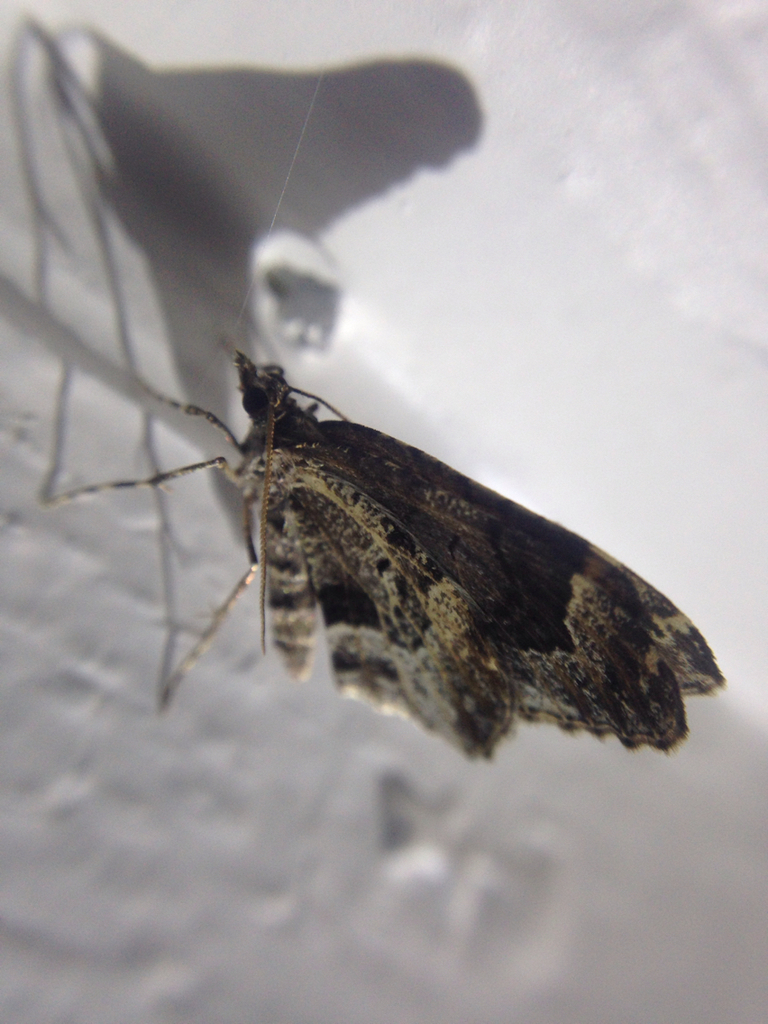
(c) Alex Shepard, some rights reserved (CC BY) · licence
Family: Geometridae · Class: Insecta · Order: Lepidoptera
Ceratodalia gueneata is a California animal in the Geometridae family.
Guenée's Carpet Moth (Ceratodalia gueneata) is a geometrid moth and the sole species in the genus Ceratodalia. This species represents a monotypic genus within the family Geometridae, subfamily typically associated with carpet moths. Adult moths display the characteristic broad wings and relatively slender body typical of geometrids, though specific morphological details and wing patterns have not been extensively documented in the scientific literature. The species occurs across western North America, with a distribution extending from British Columbia and Alberta south to Colorado and California. This broad latitudinal range suggests the species occupies diverse climatic zones from boreal forests in the north to temperate and montane regions in the southern portions of its range. Within California, the specific counties and elevational limits of occurrence have not been thoroughly documented, though the species' presence in the state is confirmed through museum collections and field observations. Habitat preferences for Ceratodalia gueneata have not been well characterized in the literature. Given its broad geographic range spanning multiple biogeographic regions, the species likely occupies various habitat types across its distribution. Most geometrid moths are associated with specific host plants during their larval stage, but the larval host plants and habitat requirements for this species remain undocumented. The species' occurrence from British Columbia to California suggests adaptation to diverse vegetation communities, potentially including coniferous forests, mixed woodlands, and transitional zones between different habitat types. Behavioral and ecological aspects of Ceratodalia gueneata are poorly documented. Like other Geometridae, larvae likely function as foliage feeders, though specific host plant relationships have not been identified. Adult flight periods, mating behaviors, and seasonal activity patterns have not been systematically studied. The reproductive biology, including number of broods per year and overwintering stage, remains unknown. Adults are presumably nocturnal, as is typical for most geometrid species, and may be attracted to artificial lights during evening hours. Ceratodalia gueneata currently holds no special conservation status at federal or state levels. The species is not listed under the Endangered Species Act and appears to have a stable, widespread population across its western North American range. However, comprehensive population assessments have not been conducted, and local abundance patterns remain largely unknown. As with many lepidopteran species, potential threats may include habitat modification, pesticide applications, and climate change effects on host plant distributions. The species' broad geographic range likely provides some resilience against localized environmental pressures. Scientific documentation for this species remains limited. The information presented here is based on available sources including iNaturalist observations and USFWS taxonomic records. If you have additional verified information about this species' biology, distribution, or ecology, please contact us to help improve this species account.
Classification
Class: Insecta · Order: Lepidoptera · Family: Geometridae
Frequently asked questions
How is Ceratodalia gueneata classified?
Ceratodalia gueneata belongs to class Insecta, order Lepidoptera, family Geometridae.
What family does Ceratodalia gueneata belong to?
Ceratodalia gueneata is in the Geometridae family.
What is Ceratodalia gueneata?
Guenée's Carpet Moth (Ceratodalia gueneata) is a geometrid moth and the sole species in the genus Ceratodalia.
Is Ceratodalia gueneata found in California?
Yes. Ceratodalia gueneata is recorded in California in The California Species Project's catalogue.
Related species
Other California species in the same genus, family, or bioregion.
Data from The California Species Project — 14,000+ California species with verified data from CNPS, CDFW, USFWS, and more.