Chaetodipus californicus
California Pocket Mouse
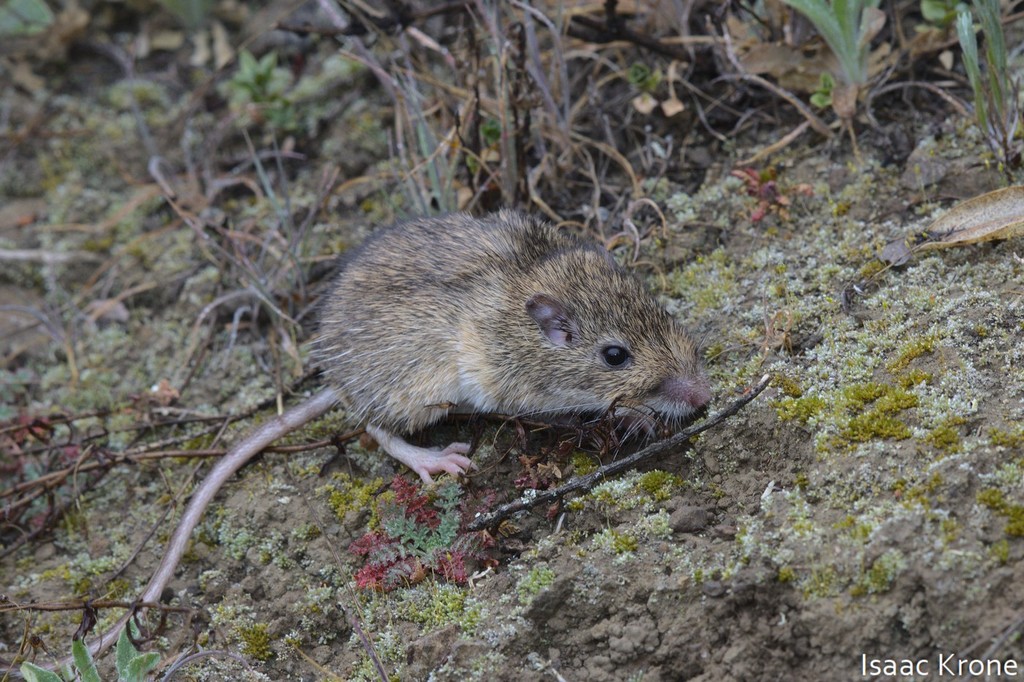
(c) Isaac Krone, some rights reserved (CC BY) · licence
Family: Heteromyidae · Class: Mammalia · Order: Rodentia
Chaetodipus californicus (California Pocket Mouse) is a California animal in the Heteromyidae family.
The California pocket mouse (Chaetodipus californicus) is a medium-sized heteromyid rodent endemic to southern California. Adults measure approximately 24 centimeters (9.4 inches) in total length, with a long, tufted tail that comprises roughly half the body length. The species displays typical pocket mouse characteristics including large hind feet adapted for saltatorial locomotion, specialized cheek pouches for seed transport, and dense, silky pelage ranging from pale sandy-brown to grayish-brown dorsally with lighter underparts. Historically, the California pocket mouse occupied coastal sage scrub and chaparral habitats from Los Angeles County south through Orange County and into Baja California, Mexico. The species has experienced severe range contraction, with extant populations now restricted to small, fragmented areas in Orange County and potentially northern San Diego County. The subspecies C. c. femoralis, found in Baja California, maintains a more stable distribution (NatureServe Explorer). California pocket mice inhabit shrubland communities characterized by sandy or gravelly soils and sparse to moderate vegetation cover. They demonstrate strong preferences for areas with native shrubs including coastal sage scrub species, avoiding dense vegetation that impedes movement. The species occupies elevations from near sea level to approximately 1,200 meters (4,000 feet), with most populations occurring below 500 meters. Burrow systems are typically constructed in sandy soils beneath shrubs, providing protection from predators and thermal regulation. As granivorous specialists, California pocket mice feed primarily on small seeds from shrubs and herbaceous plants native to their habitat. Foraging occurs nocturnally, with individuals traveling considerable distances from burrows to locate preferred food sources. Seeds are transported in specialized cheek pouches to underground caches for storage. Breeding typically occurs from spring through early fall, with females producing one to three litters annually depending on resource availability. Litter sizes range from two to five young, with a gestation period of approximately 30 days. The California pocket mouse faces critical conservation challenges due to extensive habitat loss and fragmentation throughout its historical range. Urban development, agricultural conversion, and infrastructure projects have eliminated an estimated 95% of original coastal sage scrub habitat. Remaining populations are highly fragmented and isolated, increasing vulnerability to local extinctions from wildfire, drought, and demographic stochasticity. The species is protected under various state and federal regulations, though specific listing status varies by subspecies and jurisdiction. Conservation efforts focus on habitat restoration, population monitoring, and maintaining connectivity between fragmented populations. Climate change poses additional threats through altered precipitation patterns and increased fire frequency in remaining habitat areas.
Classification
Class: Mammalia · Order: Rodentia · Family: Heteromyidae
Frequently asked questions
How is Chaetodipus californicus classified?
Chaetodipus californicus belongs to class Mammalia, order Rodentia, family Heteromyidae.
What family does Chaetodipus californicus belong to?
Chaetodipus californicus is in the Heteromyidae family.
What is Chaetodipus californicus?
The California pocket mouse (Chaetodipus californicus) is a medium-sized heteromyid rodent endemic to southern California.
Is Chaetodipus californicus found in California?
Yes. Chaetodipus californicus is recorded in California in The California Species Project's catalogue.
Related species
Other California species in the same genus, family, or bioregion.
Data from The California Species Project — 14,000+ California species with verified data from CNPS, CDFW, USFWS, and more.