Chaetodipus fallax
San Diego Pocket Mouse
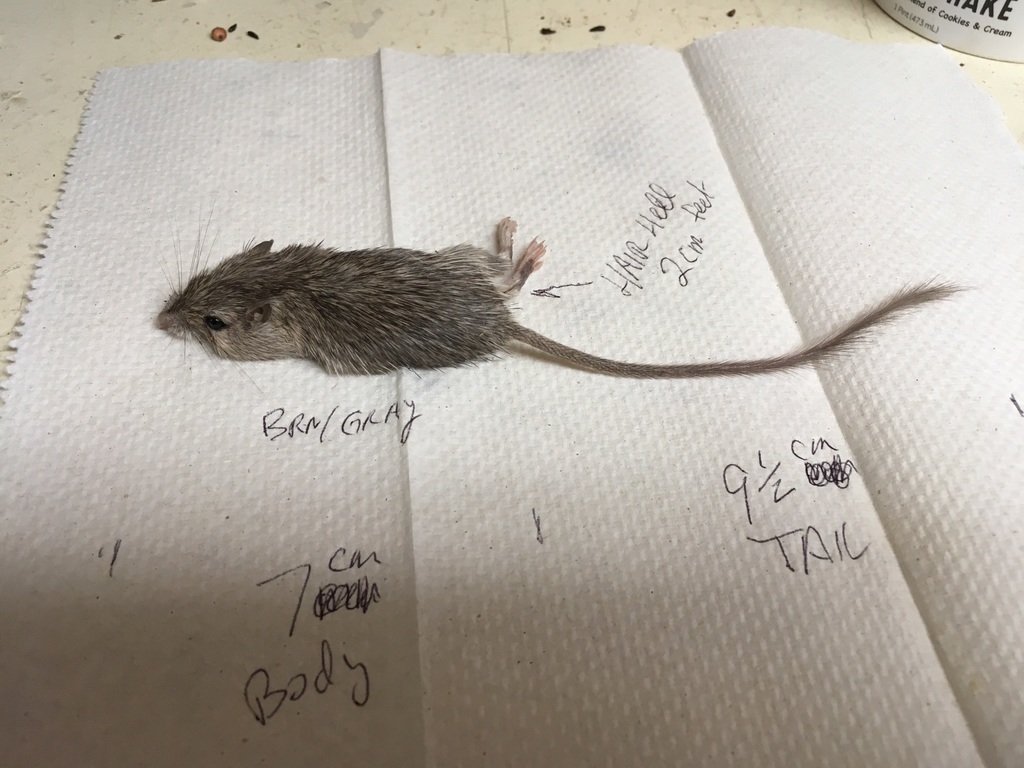
(c) W. Terry Hunefeld, some rights reserved (CC BY) · licence
Family: Heteromyidae · Class: Mammalia · Order: Rodentia
Chaetodipus fallax (San Diego Pocket Mouse) is a California animal in the Heteromyidae family.
The San Diego pocket mouse (Chaetodipus fallax) is a small heteromyid rodent endemic to coastal southern California. Adults typically measure 115-130 mm (4.5-5.1 inches) in total length, with the tail comprising approximately half of this length. The species weighs 14-22 grams (0.5-0.8 ounces). San Diego pocket mice display buffy-brown to grayish-brown dorsal pelage with white underparts. The species is characterized by fur-lined cheek pouches used for seed transport, relatively large hind feet adapted for saltatory locomotion, and a long, tufted tail with a dark stripe along the dorsal surface. Historically, San Diego pocket mice occurred throughout coastal San Diego County from the Mexican border north to approximately Oceanside. The species' range extended inland to the foothills and lower mountain slopes. Current distribution is severely fragmented, with remnant populations restricted to a few locations in coastal scrub and chaparral habitats. According to USFWS, the northwestern subspecies (C. f. fallax) represents the primary conservation concern in California. The species inhabits coastal scrub, chaparral, and oak woodland communities, typically below 500 meters (1,640 feet) elevation. San Diego pocket mice prefer areas with dense shrub cover interspersed with small openings that provide foraging opportunities. Key habitat components include rocky outcrops, fallen logs, and areas with well-developed cryptobiotic soil crusts that support diverse seed-producing plants. The species requires loose, sandy soils for burrow construction and areas protected from direct exposure to ocean winds. San Diego pocket mice are primarily granivorous, feeding on seeds from shrubs, forbs, and annual plants. Their diet includes seeds from species such as chamise, ceanothus, buckwheat, and various annual grasses. The species exhibits nocturnal activity patterns and demonstrates strong territorial behavior, with individuals maintaining home ranges of 0.1-0.4 hectares (0.25-1.0 acres). Breeding occurs from March through August, with females typically producing one to two litters per year. Litter size ranges from 1-4 young, with an average of 2-3 offspring. The species constructs complex burrow systems with multiple entrances, food caches, and nesting chambers. The San Diego pocket mouse faces critical conservation challenges due to extensive habitat loss and fragmentation. Urban development has eliminated an estimated 95% of coastal scrub habitat within the species' historical range. Current threats include continued development pressure, habitat degradation from invasive plant species, increased fire frequency, and predation by domestic cats and introduced species. The species' small, isolated populations are vulnerable to local extinctions from stochastic events. Recovery efforts focus on habitat protection, restoration of degraded areas, and establishing new populations through translocation programs. Population monitoring and research into habitat requirements continue to inform conservation strategies for this rare endemic rodent.
Classification
Class: Mammalia · Order: Rodentia · Family: Heteromyidae
Frequently asked questions
How is Chaetodipus fallax classified?
Chaetodipus fallax belongs to class Mammalia, order Rodentia, family Heteromyidae.
What family does Chaetodipus fallax belong to?
Chaetodipus fallax is in the Heteromyidae family.
What is Chaetodipus fallax?
The San Diego pocket mouse (Chaetodipus fallax) is a small heteromyid rodent endemic to coastal southern California.
Is Chaetodipus fallax found in California?
Yes. Chaetodipus fallax is recorded in California in The California Species Project's catalogue.
Related species
Other California species in the same genus, family, or bioregion.
Data from The California Species Project — 14,000+ California species with verified data from CNPS, CDFW, USFWS, and more.