Charadrius leschenaultii
Greater Sand-Plover
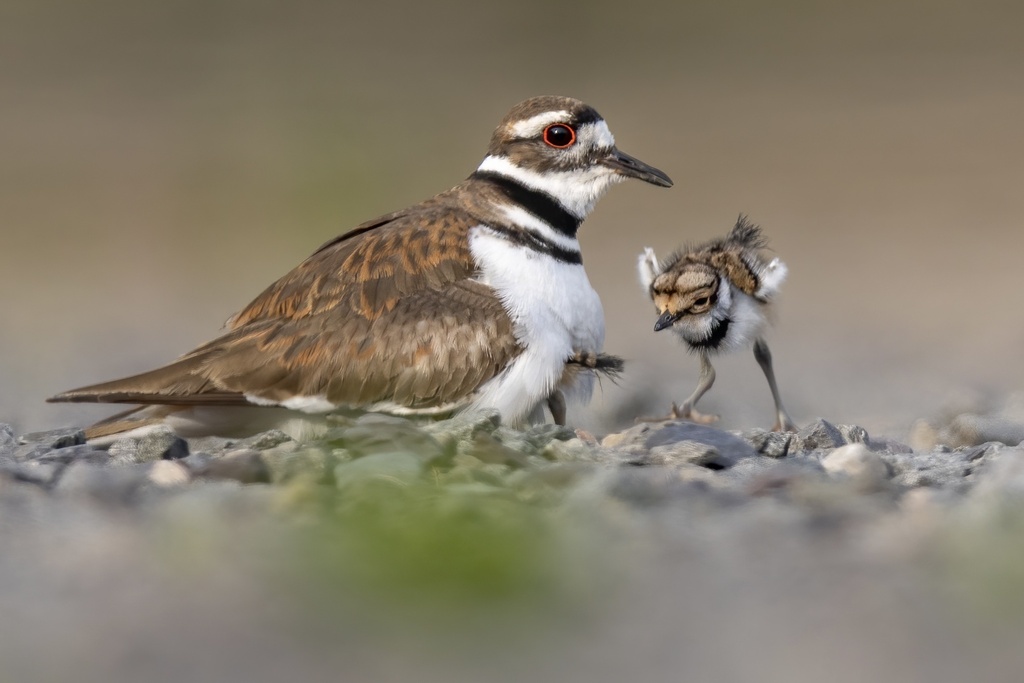
(c) Matt Felperin, some rights reserved (CC BY) · licence
Family: Charadriidae · Class: Aves · Order: Charadriiformes
Charadrius leschenaultii (Greater Sand-Plover) is a California animal in the Charadriidae family.
The Greater Sand-Plover is a medium-sized shorebird measuring 22-25 cm (8.7-9.8 inches) in length with a wingspan of 46-53 cm (18-21 inches). Adults weigh approximately 55-85 grams. In breeding plumage, males display a distinctive rufous-orange breast band and forehead, with a white collar separating the breast band from a dark crown. The upperparts are grayish-brown with darker centers to the feathers. Non-breeding adults are pale grayish-brown above and white below, lacking the rufous coloration. The bill is straight and black, approximately 20-23 mm in length, shorter and more robust than similar species. Legs are dark gray to black. The Greater Sand-Plover breeds across central Asia from Turkey eastward through Mongolia and southern Russia to northeastern China. The species winters along coastlines from the Arabian Peninsula through South and Southeast Asia to Australia. In North America, this Asian species occurs primarily as a vagrant, with records documented along the Pacific Coast from Alaska to California. California records are extremely rare, with only a handful of confirmed sightings reported since the 1980s, primarily at coastal locations in northern and central California. This species inhabits sandy and muddy shorelines, salt pans, tidal flats, and occasionally inland alkaline lakes during migration and winter. Breeding occurs on dry steppes, semi-desert areas, and sparsely vegetated plains at elevations up to 1,500 meters. In California, vagrants have been observed on sandy beaches, mudflats, and salt ponds, often associating with mixed flocks of other shorebirds. Greater Sand-Plovers are primarily insectivorous, feeding on beetles, flies, ants, and other invertebrates during the breeding season. On wintering grounds and during migration, they consume marine worms, small crustaceans, and mollusks. Foraging occurs using typical plover behavior of running, stopping, and picking prey from the surface. Breeding takes place from May through July on the Asian breeding grounds. Females lay 2-3 eggs in a shallow scrape lined with pebbles and plant material. Incubation lasts approximately 23-25 days, with both parents sharing duties. The Greater Sand-Plover is not federally listed in the United States, as it is not a regularly occurring species in North American waters. Globally, the IUCN Red List classifies the species as Least Concern, with stable population trends across most of its range. The global population is estimated at 290,000-310,000 individuals. Primary threats include habitat loss from coastal development in wintering areas and disturbance at roosting sites. Climate change may affect the availability of suitable stopover sites during migration. In California, the species' rarity makes it of interest primarily to birders and researchers studying vagrant patterns.
Classification
Class: Aves · Order: Charadriiformes · Family: Charadriidae
Frequently asked questions
How is Charadrius leschenaultii classified?
Charadrius leschenaultii belongs to class Aves, order Charadriiformes, family Charadriidae.
What family does Charadrius leschenaultii belong to?
Charadrius leschenaultii is in the Charadriidae family.
What is Charadrius leschenaultii?
The Greater Sand-Plover is a medium-sized shorebird measuring 22-25 cm (8.7-9.8 inches) in length with a wingspan of 46-53 cm (18-21 inches).
Is Charadrius leschenaultii found in California?
Yes. Charadrius leschenaultii is recorded in California in The California Species Project's catalogue.
Related species
Other California species in the same genus, family, or bioregion.
Data from The California Species Project — 14,000+ California species with verified data from CNPS, CDFW, USFWS, and more.