Charadrius nivosus nivosus
Western snowy plover
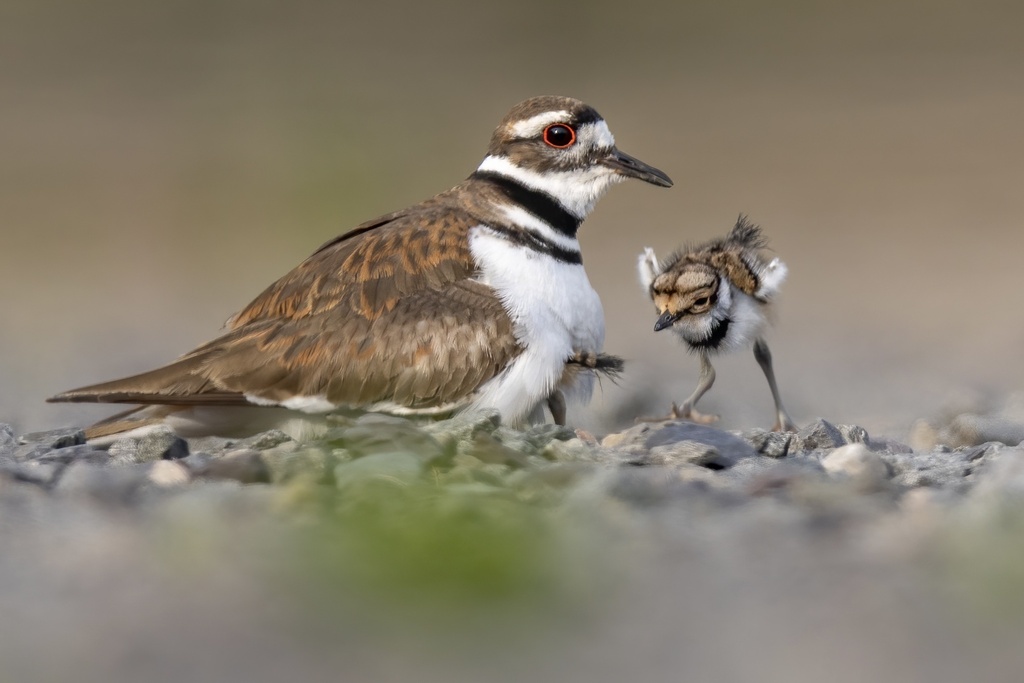
(c) Matt Felperin, some rights reserved (CC BY) · licence
Family: Charadriidae · Class: Aves · Order: Charadriiformes
Conservation status: Threatened · G3T3 S3
Charadrius nivosus nivosus (Western snowy plover) is a California animal in the Charadriidae family.
The western snowy plover is a small shorebird measuring 15-17 cm (5.9-6.7 inches) in length with a wingspan of 43-45 cm (17-18 inches). Adults weigh 34-58 grams (1.2-2.0 ounces). The species displays subtle sexual dimorphism, with males exhibiting darker breeding plumage. During breeding season, males develop black patches on the forehead, behind the eyes, and on either side of the neck. Both sexes have pale gray-brown upperparts, white underparts, and dark legs. The bill is thin and black, adapted for probing sand for invertebrates. The Pacific Coast population of western snowy plover (Charadrius nivosus nivosus) breeds along coastal areas from southern Washington to Baja California, Mexico. According to the California Department of Fish and Wildlife, the federal threatened status applies only to this Pacific coastal population. The breeding range extends from Midway Beach, Washington, to Bahia Magdalena, Baja California, encompassing coastal beaches, peninsulas, offshore islands, adjacent bays, and estuaries within 50 miles of the Pacific coast. The species winters primarily in coastal areas from southern Washington to Guatemala. Western snowy plovers inhabit open sandy beaches, salt ponds, salt pannes, lagoons, and estuarine environments. They nest on flat, sparsely vegetated areas including beaches above the high tide line, salt pond levees, and dried salt ponds. The species requires areas with minimal vegetation cover and substrate consisting of sand, crushed shell, or small pebbles. Foraging occurs in intertidal areas, wet sand zones, surf-cast kelp beds, foredune areas, and edges of salt marshes. Breeding occurs from March through September, with peak nesting from April to July. Males establish territories and create multiple shallow scrapes in sand, which females may line with shell fragments, pebbles, or debris. Clutch size typically consists of three eggs, with an incubation period of 24-32 days shared by both parents. According to recent monitoring data, apparent nest survival rates average 36-48% across different regions (USFWS 2022). Chicks are precocial and leave the nest within hours of hatching. Fledging occurs at approximately 31-33 days, with productivity averaging 1.45 chicks fledged per breeding male over a 22-year monitoring period. The species employs a run-and-glean foraging strategy, feeding primarily on marine worms, insects, crustaceans, and mollusks found in sand and surf zones. The Pacific Coast population was listed as federally threatened in 1993 due to habitat loss, human disturbance, and predation. The species faces ongoing threats from recreational beach use, unleashed dogs, coastal development, and introduced predators such as corvids and non-native mammals. Recent population estimates indicate approximately 2,500-3,000 breeding adults coastwide. Critical habitat was designated in 2012, covering 17,693 acres across California, Oregon, and Washington. Conservation efforts include habitat restoration, predator management, nest exclosures, and public education programs. Seasonal beach closures and symbolic fencing help protect nesting areas during breeding season.
Classification
Class: Aves · Order: Charadriiformes · Family: Charadriidae
Conservation status
Threatened · G3T3 S3
Frequently asked questions
How is Charadrius nivosus nivosus classified?
Charadrius nivosus nivosus belongs to class Aves, order Charadriiformes, family Charadriidae.
What family does Charadrius nivosus nivosus belong to?
Charadrius nivosus nivosus is in the Charadriidae family.
Is Charadrius nivosus nivosus protected or of conservation concern?
Charadrius nivosus nivosus carries the following status: Threatened · G3T3 S3.
What is Charadrius nivosus nivosus?
The western snowy plover is a small shorebird measuring 15-17 cm (5.9-6.7 inches) in length with a wingspan of 43-45 cm (17-18 inches).
Is Charadrius nivosus nivosus found in California?
Yes. Charadrius nivosus nivosus is recorded in California in The California Species Project's catalogue.
Related species
Other California species in the same genus, family, or bioregion.
Data from The California Species Project — 14,000+ California species with verified data from CNPS, CDFW, USFWS, and more.