Chasmistes brevirostris
Shortnose sucker
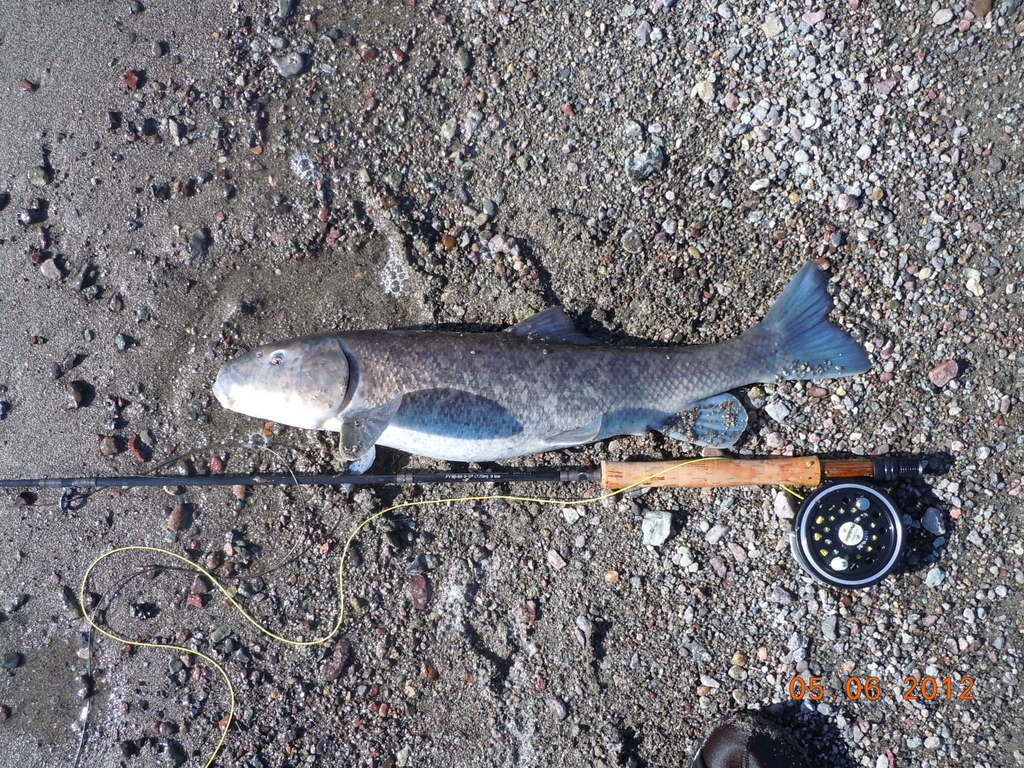
(c) Jim Dreier, some rights reserved (CC BY) · licence
Family: Catostomidae · Class: Actinopterygii · Order: Cypriniformes
Conservation status: FP · Endangered · G1 S1
Chasmistes brevirostris (Shortnose sucker) is a California animal in the Catostomidae family.
The shortnose sucker is a medium-sized freshwater fish endemic to the upper Klamath River basin in Oregon and California. Adults typically reach 300 to 400 mm (12 to 16 inches) in total length, with some individuals exceeding 500 mm (20 inches). The species is characterized by its distinctive short, blunt snout and subterminal mouth positioned well below the tip of the snout. The body is fusiform and laterally compressed, with a dark olive to brownish coloration on the dorsal surface grading to lighter tones on the sides and belly. During spawning season, males develop pronounced tubercles on the head and fins. Historically, the shortnose sucker was distributed throughout the Upper Klamath Lake system in south-central Oregon and northern California, including Upper Klamath Lake, Agency Lake, and connecting rivers and tributaries. The species also occurred in the Lost River system in both states. Current distribution is severely restricted compared to historical range, with remaining populations primarily confined to Upper Klamath Lake and select tributary areas in Klamath County, Oregon, and Siskiyou County, California. Shortnose suckers inhabit lacustrine and riverine environments, preferring areas with rocky or gravel substrates for spawning. Adults occupy deeper portions of lakes and rivers during non-spawning periods, typically at depths of 3 to 15 meters (10 to 49 feet). The species requires cool, well-oxygenated water and is sensitive to temperature fluctuations and water quality degradation. Spawning occurs in tributary streams and shoreline areas with suitable gravel beds, generally at depths less than 2 meters (6.5 feet). Shortnose suckers are benthic feeders, using their specialized mouths to extract invertebrates, algae, and detritus from substrate surfaces. Primary prey items include chironomid larvae, amphipods, and other aquatic invertebrates. The species exhibits potamodromous behavior, migrating from lake habitats to tributary streams for spawning. Spawning typically occurs from March through May, depending on water temperature and flow conditions. Females deposit adhesive eggs in gravel nests, with clutch sizes ranging from 18,000 to 44,000 eggs. Sexual maturity is reached at 4 to 6 years of age, and individuals may live 33 years or more. The U.S. Fish and Wildlife Service listed the shortnose sucker as endangered in 1988 due to severe population decline and habitat degradation. According to USFWS, the species has experienced dramatic population reductions, with current estimates suggesting fewer than 9,600 adult fish remain in Upper Klamath Lake as of recent surveys. Primary threats include habitat modification from dam construction and water diversions, poor water quality from agricultural runoff and algal blooms, competition and predation from introduced species, and climate change impacts on water temperature and availability. The Klamath River dam removal project, completed in 2024, may provide some habitat restoration benefits, though recovery challenges remain substantial due to ongoing water quality issues and limited suitable spawning habitat.
Classification
Class: Actinopterygii · Order: Cypriniformes · Family: Catostomidae
Conservation status
FP · Endangered · G1 S1
Frequently asked questions
How is Chasmistes brevirostris classified?
Chasmistes brevirostris belongs to class Actinopterygii, order Cypriniformes, family Catostomidae.
What family does Chasmistes brevirostris belong to?
Chasmistes brevirostris is in the Catostomidae family.
Is Chasmistes brevirostris protected or of conservation concern?
Chasmistes brevirostris carries the following status: FP · Endangered · G1 S1.
What is Chasmistes brevirostris?
The shortnose sucker is a medium-sized freshwater fish endemic to the upper Klamath River basin in Oregon and California.
Is Chasmistes brevirostris found in California?
Yes. Chasmistes brevirostris is recorded in California in The California Species Project's catalogue.
Related species
Other California species in the same genus, family, or bioregion.
Data from The California Species Project — 14,000+ California species with verified data from CNPS, CDFW, USFWS, and more.