Chelostoma californicum
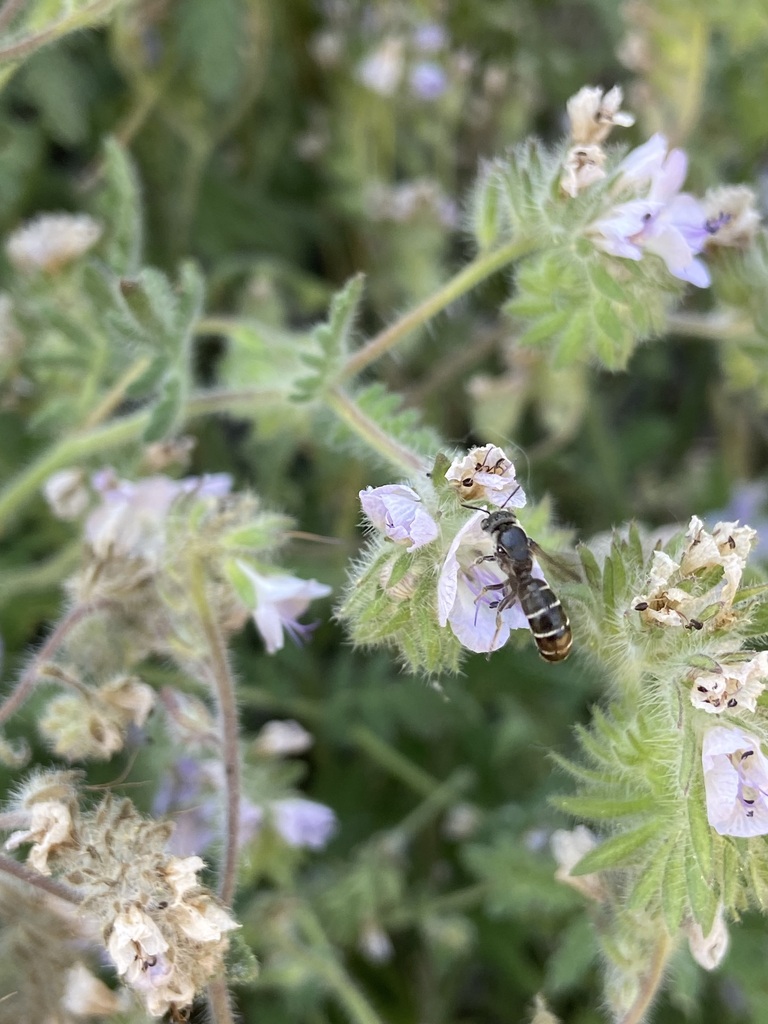
(c) Emily Chebul, some rights reserved (CC BY-SA) · licence
Family: Megachilidae · Class: Insecta · Order: Hymenoptera
Chelostoma californicum is a California animal in the Megachilidae family.
Chelostoma californicum is a small solitary bee in the family Megachilidae, subfamily Megachilinae, tribe Osmiini. This species belongs to a genus of mason bees characterized by their elongated bodies and specialized nesting behaviors. Physical details of C. californicum remain poorly documented in the scientific literature, though members of the genus Chelostoma typically measure 6-12 mm in length with dark metallic coloration and relatively narrow, cylindrical body shapes. The distribution of Chelostoma californicum is restricted to California, as indicated by its species name. However, specific counties, elevation ranges, and geographic boundaries within the state have not been well documented in available sources. The genus Chelostoma is represented by several species across western North America, with individual species often showing restricted ranges tied to specific host plants or habitat types. Habitat requirements for C. californicum have not been thoroughly studied or published. Other Chelostoma species typically inhabit areas with exposed woody stems, dead wood, or pithy plant stems suitable for nest construction. Many species in this genus show strong associations with specific flowering plants that serve as both nectar sources and nesting substrate providers. The species likely occurs in areas supporting its preferred host plants, though these relationships remain undocumented for C. californicum specifically. Like other members of Chelostoma, C. californicum is presumed to be a solitary bee with females constructing individual nests. Chelostoma bees are known for their specialized nesting behavior, typically excavating tunnels in pithy stems or utilizing existing cavities in dead wood. Females provision individual brood cells with pollen and nectar before laying a single egg per cell. The genus is notable for often showing narrow host plant preferences, with some species oligolectic (specialized) on particular plant families. According to the U.S. Fish and Wildlife Service, the genus includes pollinators of various plant species, though specific pollination relationships for C. californicum have not been documented. Seasonal activity patterns, flight periods, and detailed life cycle information for this species remain unknown. Chelostoma californicum currently lacks formal conservation status designation at federal or state levels. The species does not appear on the U.S. Fish and Wildlife Service Endangered Species Act list, California Endangered Species Act list, or other formal conservation inventories as of December 2025. Population trends, abundance estimates, and specific conservation threats have not been assessed or published. Like many native bee species in California, potential threats may include habitat loss, pesticide exposure, climate change impacts on host plant distributions, and competition from introduced species, though specific threats to C. californicum have not been evaluated. Detailed ecological studies of this species are lacking. The information presented here synthesizes available taxonomic data from federal databases. We welcome contributions of verified scientific data, photographs, or field observations to enhance this species account.
Classification
Class: Insecta · Order: Hymenoptera · Family: Megachilidae
Frequently asked questions
How is Chelostoma californicum classified?
Chelostoma californicum belongs to class Insecta, order Hymenoptera, family Megachilidae.
What family does Chelostoma californicum belong to?
Chelostoma californicum is in the Megachilidae family.
What is Chelostoma californicum?
Chelostoma californicum is a small solitary bee in the family Megachilidae, subfamily Megachilinae, tribe Osmiini.
Is Chelostoma californicum found in California?
Yes. Chelostoma californicum is recorded in California in The California Species Project's catalogue.
Related species
Other California species in the same genus, family, or bioregion.
Data from The California Species Project — 14,000+ California species with verified data from CNPS, CDFW, USFWS, and more.