Chelydra serpentina
Snapping Turtle
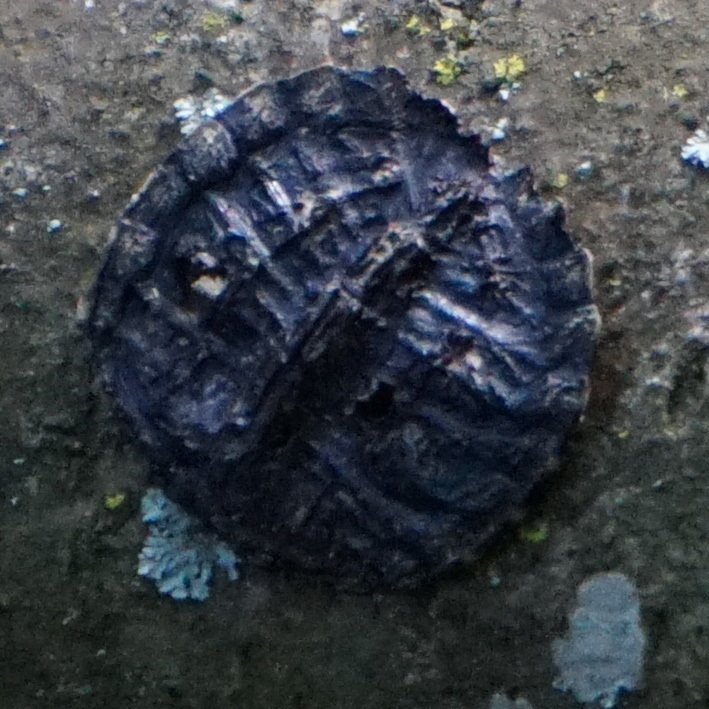
(c) stephen, some rights reserved (CC BY) · licence
Family: Chelydridae · Class: Reptilia · Order: Testudines
Chelydra serpentina (Snapping Turtle) is a California animal in the Chelydridae family.
The snapping turtle (Chelydra serpentina) is a large, robust freshwater turtle native to eastern North America but established in California as a non-native species. Adults typically measure 20 to 47 cm (8 to 18.5 inches) in carapace length and weigh 4.5 to 16 kg (10 to 35 pounds), though exceptional individuals may exceed 34 kg (75 pounds). The carapace is dark brown to black with a rough, keeled surface featuring three prominent ridges that become less pronounced with age. The plastron is relatively small and cross-shaped, providing minimal protection for the limbs. The head is large and triangular with powerful jaws, a hooked upper beak, and small eyes positioned close to the top of the head. The long, muscular tail is nearly as long as the carapace and features prominent tubercles along its dorsal surface. In California, snapping turtles occur as isolated populations in various water bodies, primarily in the Central Valley, San Francisco Bay Area, and southern California regions. These populations result from pet releases and escapes rather than natural colonization. The species is native to eastern North America from southern Canada to the Gulf of Mexico and from the Rocky Mountains to the Atlantic Coast. Snapping turtles inhabit slow-moving freshwater environments including ponds, lakes, marshes, swamps, and slow rivers. They prefer muddy or sandy bottoms with abundant aquatic vegetation and typically remain in water depths of 0.5 to 2 meters (1.6 to 6.6 feet). During winter months, individuals may burrow into mud or debris at the bottom of water bodies. Adults are primarily aquatic but may travel overland between water bodies, particularly females seeking nesting sites. This species is omnivorous with a diet consisting of fish, amphibians, reptiles, birds, small mammals, invertebrates, carrion, and aquatic plants. Adults are largely sedentary ambush predators, remaining motionless on the bottom and striking rapidly at prey. Mating occurs in spring and early summer, with females traveling to terrestrial sites to nest. Females dig nests in sandy or loose soil, depositing 20 to 40 spherical, leathery eggs. Incubation lasts 55 to 125 days depending on temperature, with warmer conditions producing faster development and more females. Snapping turtles are not federally or state-listed for conservation protection in California. However, they are considered an invasive species that poses potential threats to native wildlife, particularly waterfowl, fish, and other aquatic species. Removal is generally supported where feasible to protect native ecosystems. In their native range, populations are stable overall, though some local populations face pressure from habitat loss, road mortality, and collection for food markets. Climate change may affect nesting success and sex ratios, as temperature determines sex during egg development.
Classification
Class: Reptilia · Order: Testudines · Family: Chelydridae
Frequently asked questions
How is Chelydra serpentina classified?
Chelydra serpentina belongs to class Reptilia, order Testudines, family Chelydridae.
What family does Chelydra serpentina belong to?
Chelydra serpentina is in the Chelydridae family.
What is Chelydra serpentina?
The snapping turtle (Chelydra serpentina) is a large, robust freshwater turtle native to eastern North America but established in California as a non-native species.
Is Chelydra serpentina found in California?
Yes. Chelydra serpentina is recorded in California in The California Species Project's catalogue.
More California species
This species has no close relatives in our California data — here are other species to explore.
Data from The California Species Project — 14,000+ California species with verified data from CNPS, CDFW, USFWS, and more.