Chione californiensis
California Venus
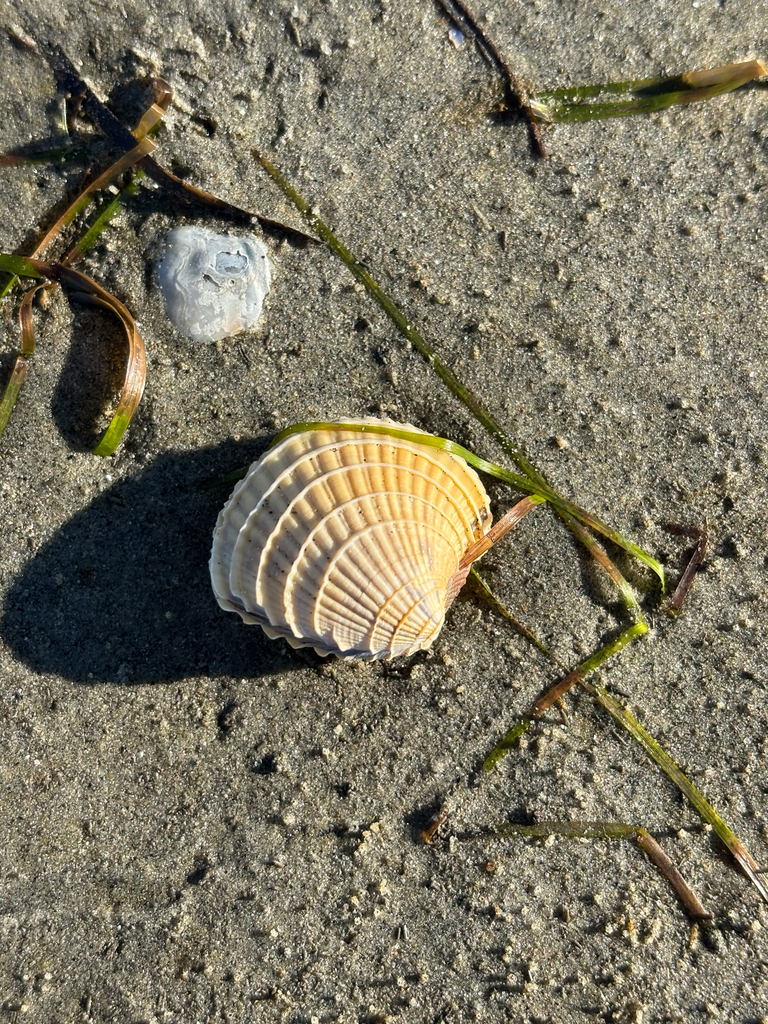
(c) Lisa Biasillo, some rights reserved (CC BY) · licence
Family: Veneridae · Class: Bivalvia · Order: Veneroida
Chione californiensis (California Venus) is a California animal in the Veneridae family.
Chione californiensis, commonly known as the California venus, is a marine bivalve mollusk in the family Veneridae. This clam species exhibits the characteristic veneroida shell structure with two hinged valves that protect the soft body tissues. The shell displays concentric growth rings and radial ribs typical of venus clams, though specific morphometric data for this species remains limited in the scientific literature. The California venus occurs along the Pacific coast, with documented populations extending from California waters southward to Baja California Sur, Mexico. According to SeaLifeBase references, reproductive studies have been conducted on populations in Bahia Magdalena, Baja California Sur, indicating the species' presence in Mexican Pacific waters (García 1993). In California, the species has been documented in coastal environments including the Ballona Wetlands, where specimens were collected during ecological surveys (PWA 2006). This bivalve inhabits marine and estuarine environments along the Pacific coast. The species occurs in sandy and muddy substrates in intertidal and shallow subtidal zones. Collection records from the Ballona Wetlands indicate the species can be found in restored wetland environments, suggesting tolerance for varying salinity conditions typical of estuarine systems. The clams burrow into soft sediments where they filter-feed on suspended organic particles and phytoplankton. As a filter-feeding bivalve, Chione californiensis obtains nutrition by pumping water through its gills and extracting suspended particles including phytoplankton, detritus, and dissolved organic matter. Like other venus clams, this species likely exhibits separate sexes with external fertilization. Research conducted in Baja California Sur examined the reproductive cycle, indicating seasonal breeding patterns, though specific timing and reproductive parameters for California populations require further study (García 1993). The species presumably follows typical bivalve development with planktonic larval stages before settling and metamorphosing into juvenile clams. Currently, Chione californiensis lacks formal conservation status designations at federal or state levels. The species does not appear on California Department of Fish and Wildlife special status species lists, nor does it hold federal protection under the Endangered Species Act. Population trends and conservation needs remain poorly documented, reflecting the limited research attention given to many marine invertebrate species. The inclusion of this species in wetland restoration monitoring, such as at Ballona Wetlands, suggests it may serve as an indicator species for estuarine ecosystem health. Climate change impacts on coastal and estuarine environments, including sea level rise, ocean acidification, and temperature changes, may affect this species, though specific vulnerability assessments have not been conducted. Conservation of coastal wetland and estuarine habitats benefits this species along with numerous other marine organisms that depend on these productive ecosystems.
Classification
Class: Bivalvia · Order: Veneroida · Family: Veneridae
Frequently asked questions
How is Chione californiensis classified?
Chione californiensis belongs to class Bivalvia, order Veneroida, family Veneridae.
What family does Chione californiensis belong to?
Chione californiensis is in the Veneridae family.
What is Chione californiensis?
Chione californiensis, commonly known as the California venus, is a marine bivalve mollusk in the family Veneridae.
Is Chione californiensis found in California?
Yes. Chione californiensis is recorded in California in The California Species Project's catalogue.
Related species
Other California species in the same genus, family, or bioregion.
Data from The California Species Project — 14,000+ California species with verified data from CNPS, CDFW, USFWS, and more.