Chirolophis nugator
Mosshead Warbonnet
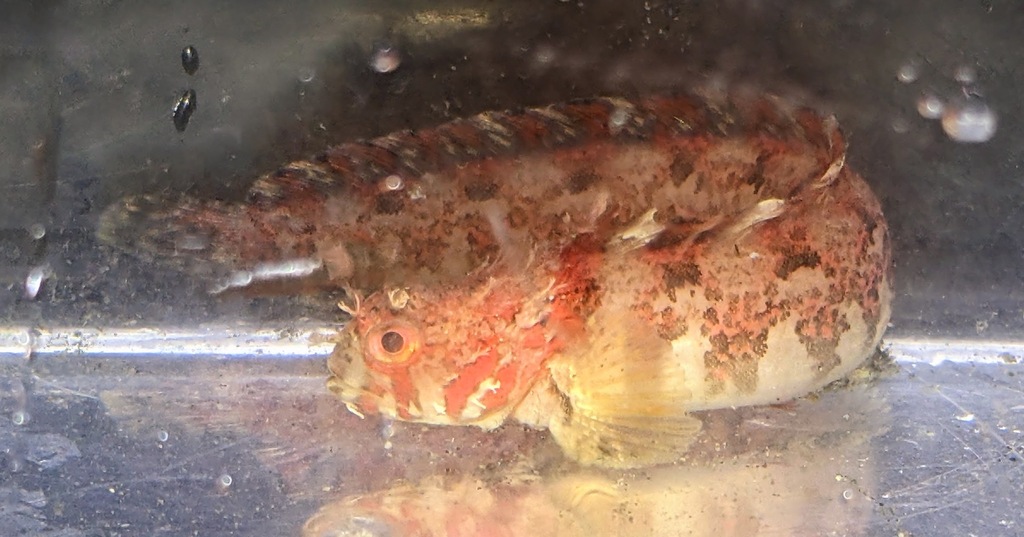
(c) Erin McKittrick, some rights reserved (CC BY) · licence
Family: Stichaeidae · Class: Actinopterygii · Order: Perciformes
Chirolophis nugator (Mosshead Warbonnet) is a California animal in the Stichaeidae family.
The mosshead warbonnet is a marine fish in the family Stichaeidae, characterized by its distinctive appearance and coastal distribution. Adults typically measure 10-15 centimeters (4-6 inches) in length, with an elongated, eel-like body form common to pricklebacks and warbonnets. The species is distinguished by its prominent cirri (fleshy appendages) on the head that resemble moss or algae, giving the fish its common name. The body coloration varies from brown to greenish-brown with mottled patterns that provide effective camouflage among marine vegetation and rocky substrates. The mosshead warbonnet occurs along the Pacific coast of North America, ranging from southeastern Alaska to central California. In California waters, the species is documented from the intertidal zone to depths of approximately 37 meters (120 feet). The distribution encompasses rocky coastlines and kelp forest environments typical of the temperate northeastern Pacific marine ecosystem. This species inhabits rocky intertidal and shallow subtidal zones, particularly areas with dense algal growth and crevices that provide shelter. Mosshead warbonnets are commonly found among kelp holdfasts, under rocks, and in tide pools where they can remain concealed during low tide periods. The species shows a preference for areas with moderate to heavy wave action and good water circulation. Mosshead warbonnets are carnivorous, feeding primarily on small crustaceans, marine worms, and other invertebrates found in their rocky habitat. They are ambush predators, using their cryptic coloration and ability to remain motionless for extended periods to capture prey. The species exhibits typical stichaeid reproductive behavior, with males guarding eggs in nest sites, often under rocks or in crevices. Spawning likely occurs during spring and early summer months, though specific timing and reproductive biology require further documentation. The mosshead warbonnet currently has no federal or state conservation listing status. According to NatureServe, the species has a global conservation status rank of G4 (Apparently Secure), indicating that while the species may be uncommon, it is not considered at immediate risk of extinction. The species faces typical coastal marine threats including habitat alteration from coastal development, water quality degradation, and potential climate change impacts affecting ocean temperature and chemistry. Rocky intertidal habitats face pressure from human recreational activities and coastal armoring projects that can alter natural wave action and substrate composition. The species' dependence on healthy kelp forest and rocky reef ecosystems makes it potentially vulnerable to environmental changes that affect these marine communities. Continued monitoring of population trends and habitat quality would benefit long-term conservation planning for this and other intertidal fish species.
Classification
Class: Actinopterygii · Order: Perciformes · Family: Stichaeidae
Frequently asked questions
How is Chirolophis nugator classified?
Chirolophis nugator belongs to class Actinopterygii, order Perciformes, family Stichaeidae.
What family does Chirolophis nugator belong to?
Chirolophis nugator is in the Stichaeidae family.
What is Chirolophis nugator?
The mosshead warbonnet is a marine fish in the family Stichaeidae, characterized by its distinctive appearance and coastal distribution.
Is Chirolophis nugator found in California?
Yes. Chirolophis nugator is recorded in California in The California Species Project's catalogue.
Related species
Other California species in the same genus, family, or bioregion.
Data from The California Species Project — 14,000+ California species with verified data from CNPS, CDFW, USFWS, and more.