Cissusa indiscreta
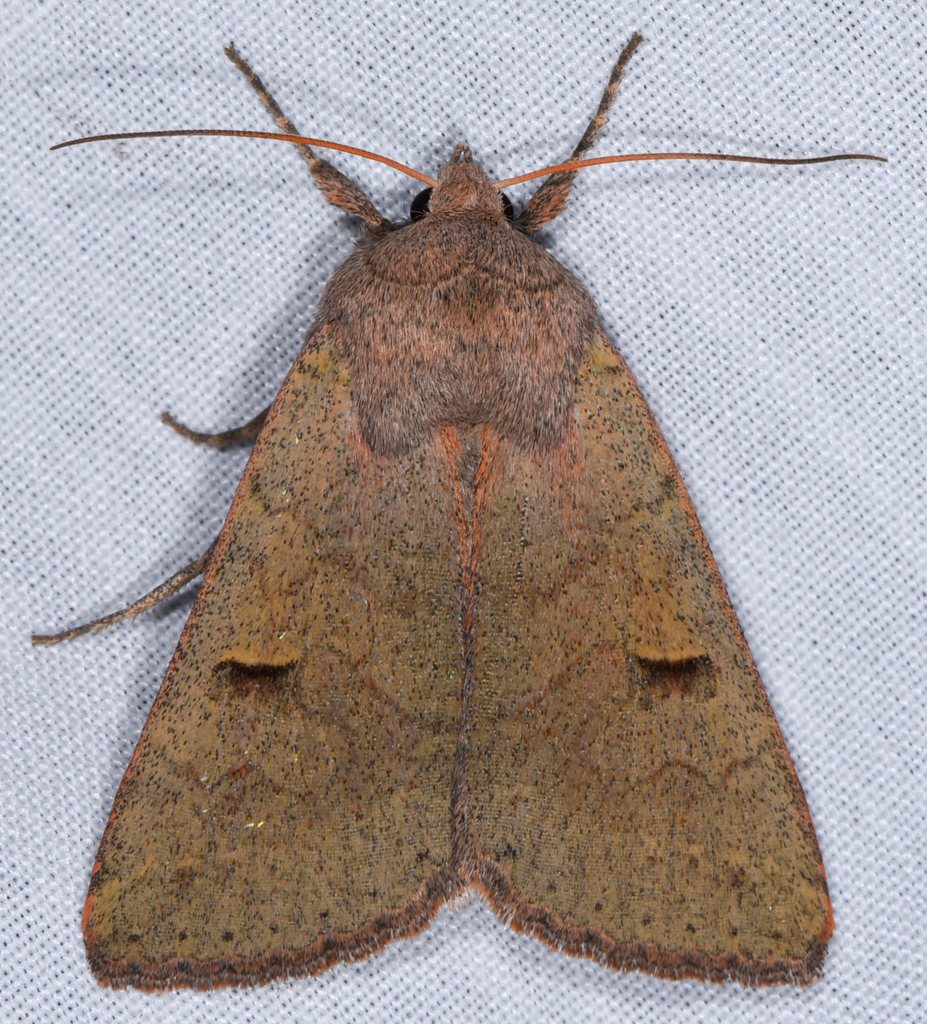
(c) Don Loarie, some rights reserved (CC BY) · licence
Family: Erebidae · Class: Insecta · Order: Lepidoptera
Cissusa indiscreta is a California animal in the Erebidae family.
Cissusa indiscreta is a moth in the family Erebidae, subfamily Arctiinae. This species belongs to a group commonly known as tiger moths or lichen moths, characterized by their often cryptic coloration and association with lichens and other substrate-dwelling organisms. Adult moths typically exhibit the compact body form and relatively broad wings characteristic of the Arctiinae subfamily. The species appears to have a limited distribution, though specific range information requires verification from authoritative lepidopteran databases. Like many members of the Erebidae family, C. indiscreta likely has a restricted geographic range that may include portions of western North America, but comprehensive distribution data is not readily available in standard databases. Habitat preferences for C. indiscreta are not well documented in the literature. Members of the genus Cissusa are typically associated with areas where their larval host plants occur, often in natural habitats that support diverse lichen communities or other cryptogamic vegetation. The specific microhabitat requirements, elevation range, and vegetation associations for this species remain poorly characterized. Life history information for C. indiscreta is extremely limited. Like other Arctiinae moths, the species likely undergoes complete metamorphosis with egg, larval, pupal, and adult stages. Larval feeding habits are not documented, though related species in the subfamily often feed on lichens, algae, or detritus. Adult flight periods, mating behaviors, and reproductive ecology have not been described in accessible literature. The number of broods per year and seasonal activity patterns remain unknown. Conservation status information for C. indiscreta is not available in major databases. The species does not appear on federal or state endangered species lists, nor is it assigned conservation ranks by NatureServe or the International Union for Conservation of Nature. This absence of conservation assessment may reflect either the species' stability or, more likely, insufficient data to evaluate its population status and trends. Many lesser-known moth species lack comprehensive population monitoring, making it difficult to assess whether populations are stable, declining, or increasing. The limited information available for C. indiscreta highlights the broader challenge of documenting and conserving lesser-known invertebrate species. Many moths and other insects remain poorly studied despite their important ecological roles as pollinators, decomposers, and components of food webs. Without basic biological and ecological data, it becomes difficult to assess conservation needs or implement appropriate management strategies for species like C. indiscreta.
Classification
Class: Insecta · Order: Lepidoptera · Family: Erebidae
Frequently asked questions
How is Cissusa indiscreta classified?
Cissusa indiscreta belongs to class Insecta, order Lepidoptera, family Erebidae.
What family does Cissusa indiscreta belong to?
Cissusa indiscreta is in the Erebidae family.
What is Cissusa indiscreta?
Cissusa indiscreta is a moth in the family Erebidae, subfamily Arctiinae.
Is Cissusa indiscreta found in California?
Yes. Cissusa indiscreta is recorded in California in The California Species Project's catalogue.
Related species
Other California species in the same genus, family, or bioregion.
Data from The California Species Project — 14,000+ California species with verified data from CNPS, CDFW, USFWS, and more.