Cisthene deserta
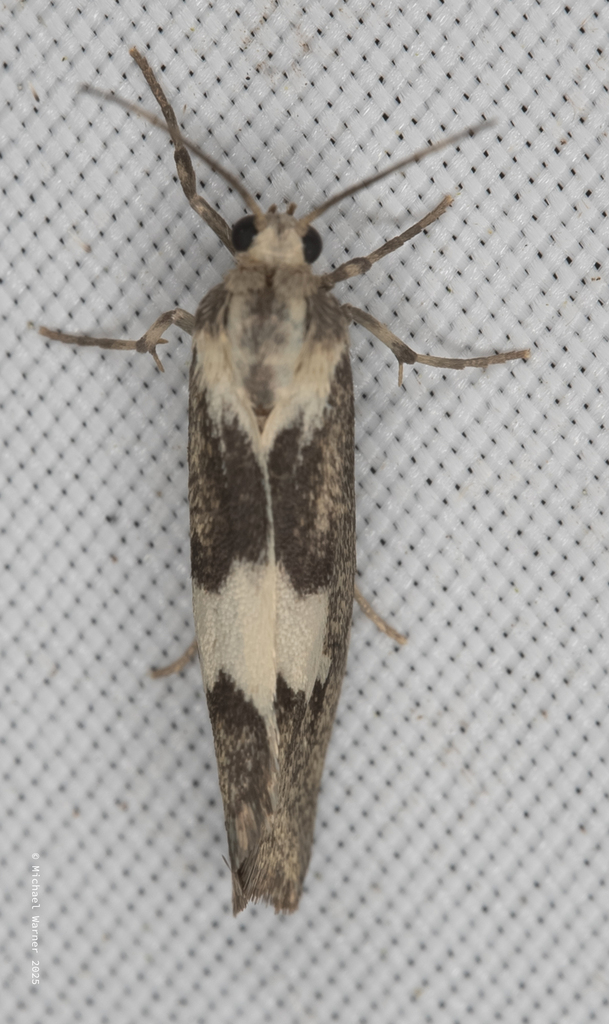
(c) Michael Warner, some rights reserved (CC BY) · licence
Family: Erebidae · Class: Insecta · Order: Lepidoptera
Cisthene deserta is a California animal in the Erebidae family.
Cisthene deserta is a small moth in the family Erebidae, subfamily Arctiinae. This species belongs to a genus of tiger moths characterized by their relatively small size and often cryptic coloration patterns. Adult moths typically measure 15-20 mm in wingspan, though specific morphological details for this species remain poorly documented in the literature. The range and distribution of Cisthene deserta appears to be limited, as suggested by its specific epithet "deserta," which likely indicates an association with arid environments. However, comprehensive distribution data for this species is currently lacking in major lepidopteran databases. The genus Cisthene is primarily distributed across western North America, with various species occupying desert and semi-arid habitats from the southwestern United States into Mexico. Habitat preferences for Cisthene deserta likely follow patterns observed in related species within the genus, which typically inhabit desert scrublands, chaparral, and arid grasslands. These environments are characterized by low annual precipitation, extreme temperature fluctuations, and specialized plant communities adapted to water stress. Elevation ranges for the genus typically span from desert floors to lower montane zones, though specific altitudinal preferences for C. deserta remain undocumented. Like other members of the Arctiinae subfamily, Cisthene deserta likely exhibits nocturnal activity patterns, with adults attracted to artificial light sources during nighttime hours. The larvae of related Cisthene species are known to feed on lichens growing on rocks, tree bark, and soil surfaces, suggesting that C. deserta may have similar feeding habits. This specialized diet reflects an adaptation to nutrient-poor desert environments where traditional plant foliage may be scarce or heavily defended. Adult flight periods for desert-dwelling Arctiinae species often coincide with periods of increased moisture availability, such as following winter rains or summer monsoons. The conservation status of Cisthene deserta remains uncertain due to limited ecological and taxonomic research. No federal or state conservation listings have been identified for this species as of December 2025. The lack of comprehensive surveys and taxonomic studies represents a significant knowledge gap for many small moth species in arid regions of western North America. Desert ecosystems face increasing pressure from urban development, recreational activities, climate change, and invasive species, which may impact specialized moths like C. deserta. Future research priorities should include detailed morphological descriptions, DNA barcoding for taxonomic verification, distribution surveys, and ecological studies to determine habitat requirements and population status. The apparent rarity of this species in collections and databases suggests either restricted distribution, cryptic behavior, or potential taxonomic confusion with related species. Conservation assessments will require foundational biological data currently absent from the scientific literature.
Classification
Class: Insecta · Order: Lepidoptera · Family: Erebidae
Frequently asked questions
How is Cisthene deserta classified?
Cisthene deserta belongs to class Insecta, order Lepidoptera, family Erebidae.
What family does Cisthene deserta belong to?
Cisthene deserta is in the Erebidae family.
What is Cisthene deserta?
Cisthene deserta is a small moth in the family Erebidae, subfamily Arctiinae.
Is Cisthene deserta found in California?
Yes. Cisthene deserta is recorded in California in The California Species Project's catalogue.
Related species
Other California species in the same genus, family, or bioregion.
Data from The California Species Project — 14,000+ California species with verified data from CNPS, CDFW, USFWS, and more.