Cisthene dorsimacula
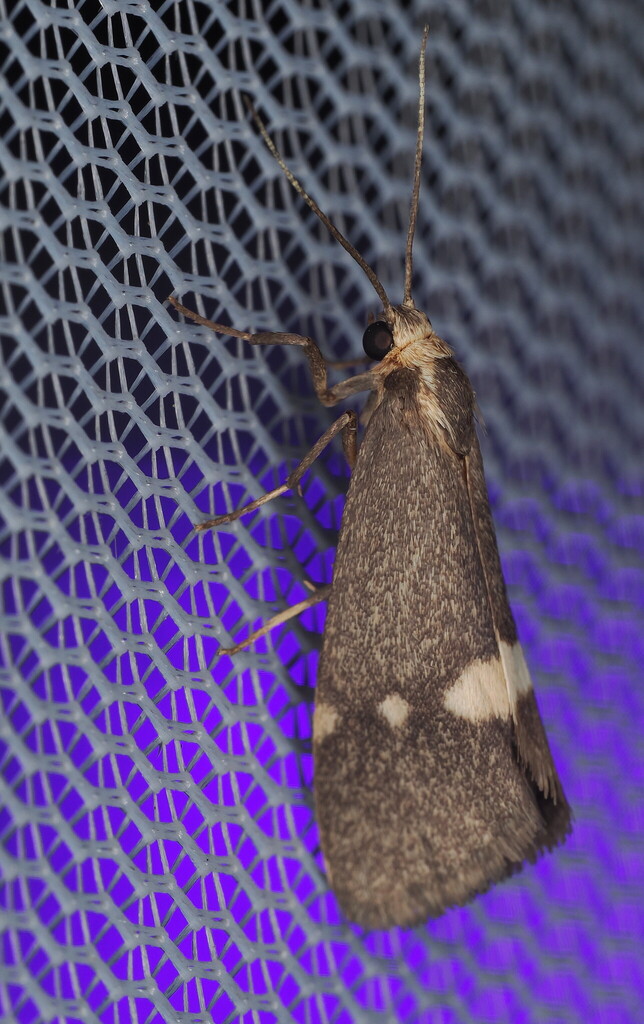
(c) Rosario Douglas, some rights reserved (CC BY) · licence
Family: Erebidae · Class: Insecta · Order: Lepidoptera
Cisthene dorsimacula is a California animal in the Erebidae family.
Cisthene dorsimacula is a small moth in the family Erebidae, subfamily Arctiinae. This species belongs to a genus of moths commonly known as ctenucha tigers or wasp moths, characterized by their relatively small size and distinctive wing patterns. Like other members of the genus Cisthene, C. dorsimacula likely measures 15-25 mm in wingspan, though specific measurements for this species are not well-documented in the literature. The species name 'dorsimacula' suggests the presence of distinctive dorsal spotting or marking patterns, which would be consistent with the diagnostic features used to distinguish Cisthene species. Adult moths in this genus typically display combinations of dark and light markings on their forewings, often with metallic or iridescent qualities. The hindwings are generally lighter in coloration than the forewings. Cisthene dorsimacula appears to have a limited distribution, though comprehensive range data is not readily available in current literature. The genus Cisthene is primarily North American, with several species documented from western United States. Many Cisthene species have restricted ranges and are associated with specific habitat types, suggesting C. dorsimacula may similarly have narrow ecological requirements. Habitat preferences for C. dorsimacula are not well-documented in available literature. However, other Cisthene species are typically associated with arid or semi-arid environments, including desert scrub, chaparral, and oak woodland communities. Many species in this genus occur at moderate elevations in mountainous or hilly terrain. The larvae of Cisthene moths generally feed on lichens growing on rocks, trees, or soil surfaces, which constrains their distribution to areas where suitable lichen communities are present. The life cycle of C. dorsimacula likely follows the pattern typical of other Cisthene species. Adults are probably active during warmer months, with flight periods varying by elevation and local climate conditions. Females deposit eggs on or near lichen-covered surfaces where larvae will develop. The caterpillars are specialized lichen feeders, which limits their distribution to areas with appropriate lichen communities. Pupation likely occurs in silk cocoons attached to the substrate where larvae have been feeding. The conservation status of Cisthene dorsimacula is unclear due to limited available information about the species' distribution, population size, and ecological requirements. The species does not appear on federal or state endangered species lists as of December 2025. However, the apparent rarity of records and potentially restricted distribution suggest it may be uncommon or have specific habitat requirements that make it vulnerable to environmental changes. Threats to Cisthene species generally include habitat loss, air pollution affecting lichen communities, and climate change altering the distribution of suitable habitat conditions. Further research is needed to establish the basic ecological requirements, distribution, and conservation needs of C. dorsimacula. The limited information available highlights the need for additional surveys and taxonomic work on lesser-known moth species, particularly those with apparently restricted distributions or specialized ecological requirements.
Classification
Class: Insecta · Order: Lepidoptera · Family: Erebidae
Frequently asked questions
How is Cisthene dorsimacula classified?
Cisthene dorsimacula belongs to class Insecta, order Lepidoptera, family Erebidae.
What family does Cisthene dorsimacula belong to?
Cisthene dorsimacula is in the Erebidae family.
What is Cisthene dorsimacula?
Cisthene dorsimacula is a small moth in the family Erebidae, subfamily Arctiinae.
Is Cisthene dorsimacula found in California?
Yes. Cisthene dorsimacula is recorded in California in The California Species Project's catalogue.
Related species
Other California species in the same genus, family, or bioregion.
Data from The California Species Project — 14,000+ California species with verified data from CNPS, CDFW, USFWS, and more.