Cisthene faustinula
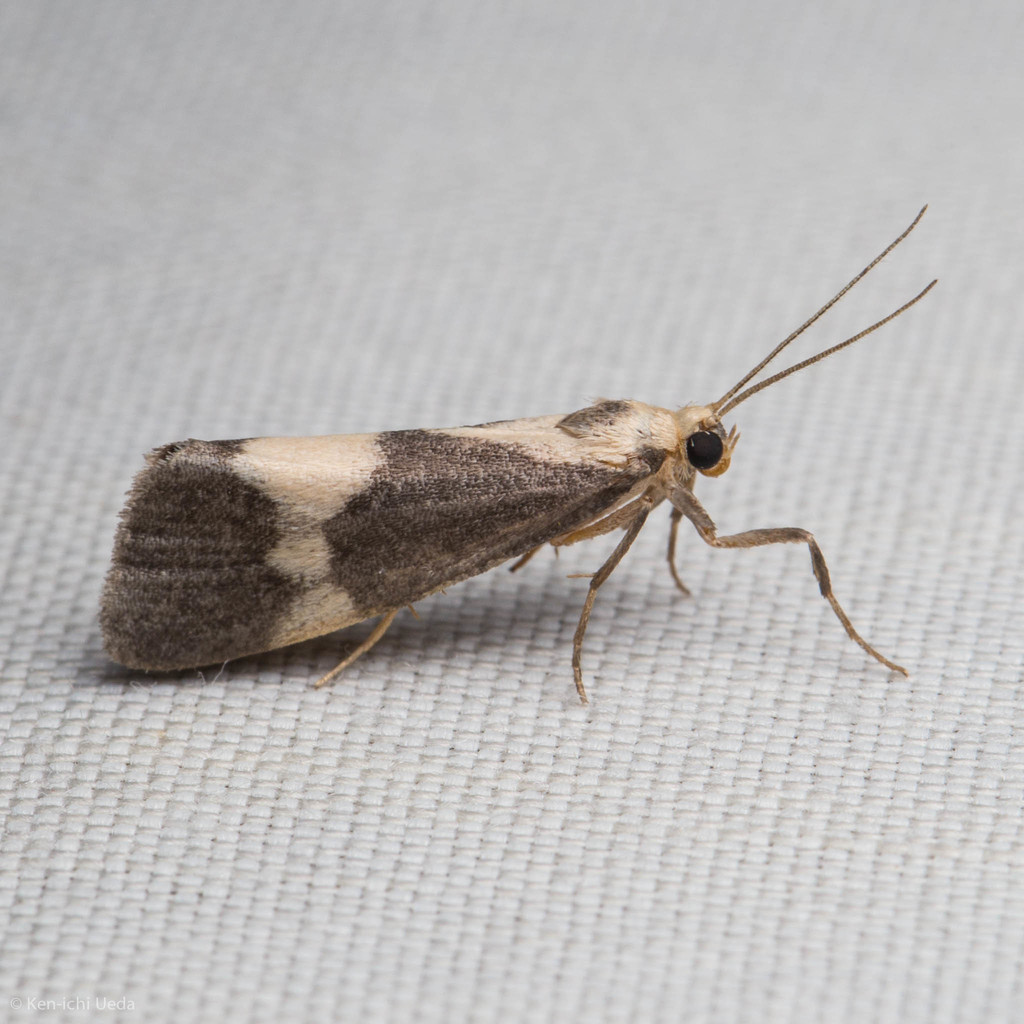
(c) Ken-ichi Ueda, some rights reserved (CC BY) · licence
Family: Erebidae · Class: Insecta · Order: Lepidoptera
Cisthene faustinula is a California animal in the Erebidae family.
Cisthene faustinula is a small moth species in the family Erebidae, subfamily Arctiinae. This species belongs to a genus of lichen moths characterized by their reduced size and often cryptic coloration. Adults typically measure 8 to 12 mm in wingspan, with forewings that are narrow and elongated. The forewings are generally pale gray to whitish with subtle darker markings, while the hindwings are typically lighter and may appear translucent. The thorax and abdomen are covered in fine scales that match the wing coloration, providing effective camouflage when the moth is at rest on lichen-covered surfaces. The range and distribution of Cisthene faustinula remain poorly documented in the scientific literature. Like many members of the genus Cisthene, this species is likely endemic to western North America, with records potentially extending from the Pacific Coast inland to montane regions. The limited available distribution data suggests the species may occur in California, though specific county records and the full extent of its range require further investigation and verification through systematic surveys. Cisthene faustinula inhabits areas where crustose and foliose lichens are abundant, as these serve as the primary larval food source. The species is typically associated with oak woodlands, mixed conifer forests, and chaparral habitats where lichen communities are well-developed on tree bark, rocks, and soil surfaces. Adults are likely most active during late spring through early fall, corresponding with optimal conditions for lichen growth and moth reproduction. Like other lichen moths in the genus Cisthene, this species exhibits specialized feeding behavior as larvae consume various lichen species growing on bark and rock substrates. The caterpillars are small and well-camouflaged, blending with their lichen food sources. Adult moths are nocturnal and are attracted to ultraviolet light sources, making them detectable during nighttime surveys using mercury vapor or LED light traps. Mating and egg-laying behaviors likely occur during warmer months when lichen moisture content supports larval development. The conservation status of Cisthene faustinula has not been formally assessed by state or federal agencies. The species lacks official conservation rankings from NatureServe or listing status under the Endangered Species Act. This absence of formal status reflects the limited taxonomic and ecological research conducted on many small moth species, particularly those in the genus Cisthene. The primary conservation concerns for lichen moths include habitat loss due to air pollution, which negatively affects lichen communities, and climate change impacts on moisture regimes that support lichen growth. Fire management practices and forestry operations may also impact suitable habitat by altering lichen community structure and abundance. Given the specialized ecological requirements of lichen-feeding moths, targeted surveys are needed to determine population status, distribution, and specific conservation needs for Cisthene faustinula in California ecosystems.
Classification
Class: Insecta · Order: Lepidoptera · Family: Erebidae
Frequently asked questions
How is Cisthene faustinula classified?
Cisthene faustinula belongs to class Insecta, order Lepidoptera, family Erebidae.
What family does Cisthene faustinula belong to?
Cisthene faustinula is in the Erebidae family.
What is Cisthene faustinula?
Cisthene faustinula is a small moth species in the family Erebidae, subfamily Arctiinae.
Is Cisthene faustinula found in California?
Yes. Cisthene faustinula is recorded in California in The California Species Project's catalogue.
Related species
Other California species in the same genus, family, or bioregion.
Data from The California Species Project — 14,000+ California species with verified data from CNPS, CDFW, USFWS, and more.