Cisthene liberomacula
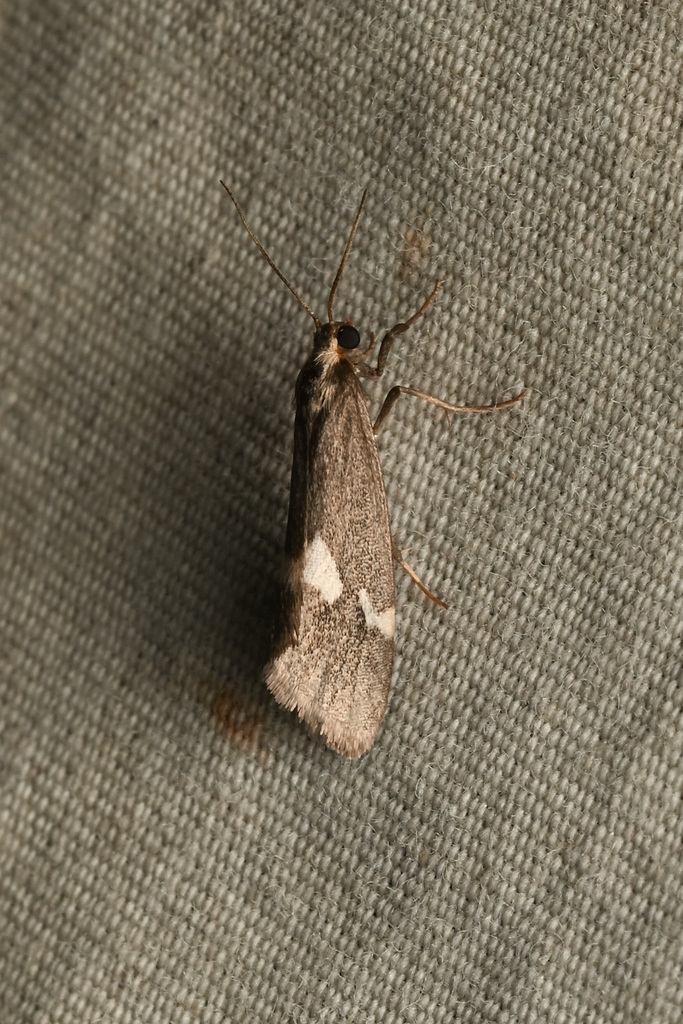
(c) Trevor Van Loon, some rights reserved (CC BY) · licence
Family: Erebidae · Class: Insecta · Order: Lepidoptera
Cisthene liberomacula is a California animal in the Erebidae family.
Cisthene liberomacula is a small moth in the family Erebidae, subfamily Arctiinae. This species belongs to a genus of moths commonly known as little virgin tiger moths or lichen moths. Adult moths are characterized by their small size and typically measure 12-20 mm in wingspan. The forewings are generally pale with darker markings, though specific coloration patterns for this species require further documentation. Like other members of the genus Cisthene, adults likely have relatively narrow forewings and reduced hindwings. The range and distribution of Cisthene liberomacula in California remains poorly documented in current literature. The species appears to have limited distribution records, suggesting either a restricted range or insufficient survey effort. Many Cisthene species are known from scattered localities across western North America, often in montane or desert environments. Without verified collection records, the specific counties or regions where this species occurs in California cannot be definitively stated. Habitat requirements for Cisthene liberomacula are not well-established in available sources. Other Cisthene species typically inhabit areas where their larval host plants occur, which often include various lichens growing on rocks, trees, or soil surfaces. The elevation range and specific habitat associations for this species require additional field surveys and ecological research to determine preferences for vegetation types, substrate conditions, or microclimate requirements. The life history and ecology of Cisthene liberomacula remain largely unstudied. Based on related species in the genus, larvae likely feed on lichens, which is typical for many Arctiinae moths. The timing of adult flight periods, number of generations per year, overwintering stage, and specific reproductive behaviors are unknown for this species. Many lichen-feeding moths have extended larval development periods due to the low nutritional quality of their food source. Adults of related species are often attracted to lights and may be active during nighttime hours. The conservation status of Cisthene liberomacula is not formally assessed at federal or state levels. The species lacks official listing status under the Endangered Species Act or California Endangered Species Act. Without adequate survey data or population monitoring, the conservation needs of this species cannot be properly evaluated. Potential threats may include habitat degradation, air pollution impacts on lichen communities, climate change effects on host plant availability, and urban development in sensitive areas. The apparent rarity of collection records suggests either genuine scarcity or the need for targeted surveys using appropriate methods for detecting small moth species. Further taxonomic research may also be needed to confirm the validity and proper identification of this species, as some Cisthene taxa have complex taxonomic histories with potential synonymies or misidentifications in historical records.
Classification
Class: Insecta · Order: Lepidoptera · Family: Erebidae
Frequently asked questions
How is Cisthene liberomacula classified?
Cisthene liberomacula belongs to class Insecta, order Lepidoptera, family Erebidae.
What family does Cisthene liberomacula belong to?
Cisthene liberomacula is in the Erebidae family.
What is Cisthene liberomacula?
Cisthene liberomacula is a small moth in the family Erebidae, subfamily Arctiinae.
Is Cisthene liberomacula found in California?
Yes. Cisthene liberomacula is recorded in California in The California Species Project's catalogue.
Related species
Other California species in the same genus, family, or bioregion.
Data from The California Species Project — 14,000+ California species with verified data from CNPS, CDFW, USFWS, and more.