Clemensia albata
Little White Lichen Moth
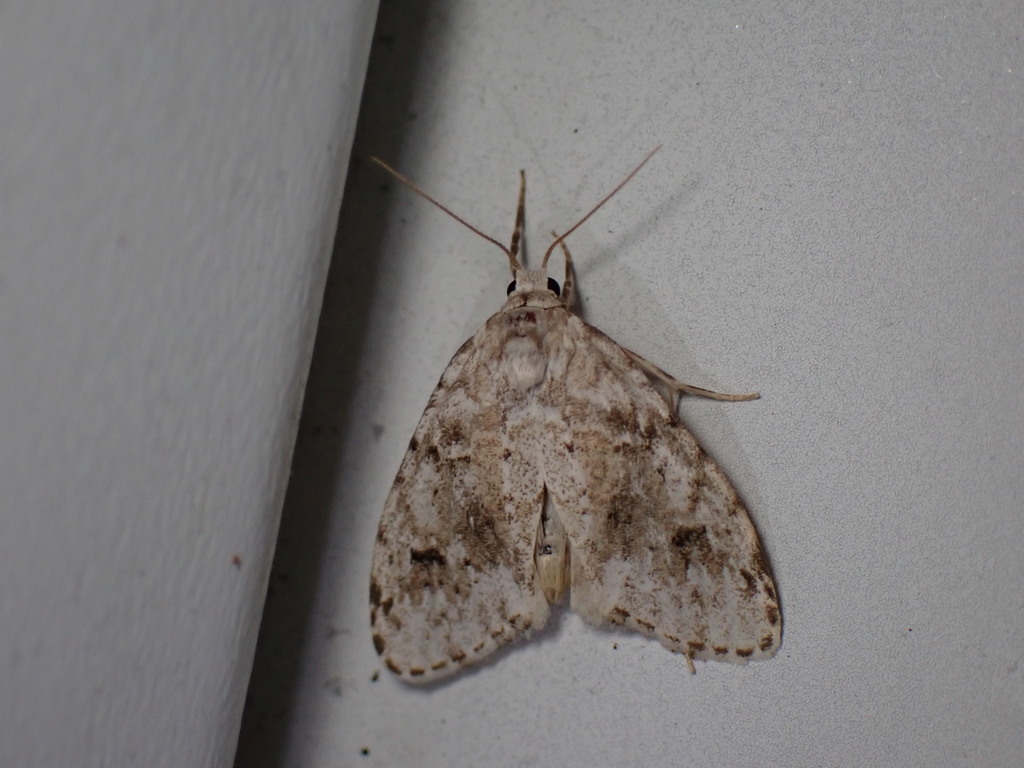
(c) W Rao, some rights reserved (CC BY) · licence
Family: Erebidae · Class: Insecta · Order: Lepidoptera
Clemensia albata (Little White Lichen Moth) is a California animal in the Erebidae family.
The Little White Lichen Moth (Clemensia albata) is a small moth in the family Erebidae, subfamily Arctiinae. Adults have a wingspan of approximately 25-35 mm (1.0-1.4 inches). The forewings are predominantly white with subtle gray or pale brown markings, while the hindwings are typically pure white or cream-colored. The thorax and abdomen are covered in white to pale gray scales, and the antennae are thread-like in both sexes. The species can be distinguished from similar white moths by its specific wing venation pattern and the arrangement of pale markings on the forewings. Clemensia albata occurs across much of North America, with its range extending from southern Canada through the United States. In California, the species has been documented in various counties, though specific distribution records are limited. The moth is generally considered widespread but local throughout its range, with populations occurring in suitable habitat from sea level to moderate elevations. The species inhabits areas where lichens grow abundantly, including mixed forests, woodlands, and forest edges. Adults are typically found in habitats supporting oak, pine, and other tree species that provide substrates for lichen growth. The moth shows a preference for areas with mature trees and established lichen communities, though it can also occur in younger forests with adequate lichen development. As the common name suggests, larvae feed on various lichen species growing on tree bark and rocks. The caterpillars are specialized feeders, consuming both the fungal and algal components of lichens. This diet makes them important in lichen community dynamics and forest ecosystems. Adults are nocturnal and are attracted to artificial lights during the flight period, which typically occurs from late spring through early fall, with peak activity varying by location and elevation. The species likely produces one generation per year in most of its range, though this may vary with local climate conditions. Mating occurs during nighttime hours, and females deposit eggs near suitable lichen colonies. Currently, Clemensia albata does not appear on federal or California state endangered species lists, suggesting stable population status. However, like many lichen-feeding species, the moth may be sensitive to air pollution, particularly sulfur dioxide and nitrogen oxides, which can negatively impact lichen communities. Forest management practices that maintain mature trees and diverse lichen communities likely benefit this species. Climate change could potentially affect the moth indirectly through impacts on lichen distribution and abundance. The species serves as an indicator of healthy lichen communities and forest ecosystem integrity, making its presence valuable for assessing environmental quality in forested habitats.
Classification
Class: Insecta · Order: Lepidoptera · Family: Erebidae
Frequently asked questions
How is Clemensia albata classified?
Clemensia albata belongs to class Insecta, order Lepidoptera, family Erebidae.
What family does Clemensia albata belong to?
Clemensia albata is in the Erebidae family.
What is Clemensia albata?
The Little White Lichen Moth (Clemensia albata) is a small moth in the family Erebidae, subfamily Arctiinae.
Is Clemensia albata found in California?
Yes. Clemensia albata is recorded in California in The California Species Project's catalogue.
Related species
Other California species in the same genus, family, or bioregion.
Data from The California Species Project — 14,000+ California species with verified data from CNPS, CDFW, USFWS, and more.