Coccyzus americanus ssp. occidentalis
Western Yellow-billed Cuckoo
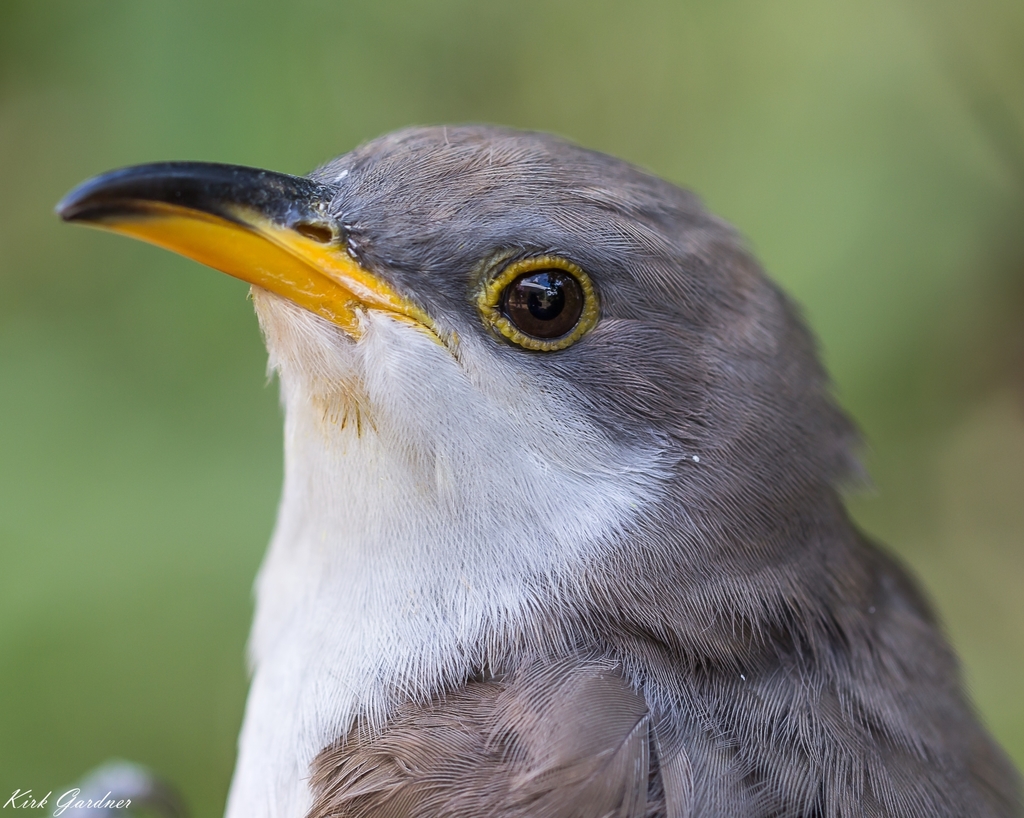
(c) kirk gardner, some rights reserved (CC BY) · licence
Family: Cuculidae · Class: Aves · Order: Cuculiformes
Conservation status: SE · Threatened · G5T2T3 S1
Coccyzus americanus ssp. occidentalis (Western Yellow-billed Cuckoo) is a California animal in the Cuculidae family.
The Western Yellow-billed Cuckoo is a medium-sized songbird measuring 28 to 32 cm (11 to 12.6 inches) in length with a wingspan of approximately 40 cm (16 inches). Adults display brown upperparts with a rufous wash on the primaries and distinctive white underparts. The species is characterized by its prominent yellow lower mandible with a black tip, contrasting with the black upper mandible. The tail is long and graduated, featuring large white spots on the underside that are conspicuous during flight. Males and females appear similar, though males may be slightly larger. Historically, the Western Yellow-billed Cuckoo bred throughout riparian forests of the western United States, from British Columbia south to Mexico. In California, the subspecies once occurred along major river systems including the Sacramento, San Joaquin, Kern, Santa Ana, and Colorado rivers. The current breeding range has contracted dramatically to fewer than 50 sites, primarily along the Sacramento and Colorado river systems. Small populations persist in Kern, Fresno, and Imperial counties, with the largest remaining populations occurring along the Lower Colorado River. The species requires extensive riparian woodlands with dense canopy cover and multi-layered vegetation structure. Preferred habitat consists of mature cottonwood-willow forests along rivers and streams, typically featuring Fremont cottonwood, Goodding's willow, and salt cedar. Breeding territories require patches of at least 25 hectares (62 acres) of contiguous riparian forest, though larger areas of 100 hectares (247 acres) or more support higher reproductive success. The species occurs from sea level to approximately 700 meters (2,300 feet) elevation in California. Western Yellow-billed Cuckoos are primarily insectivorous, feeding heavily on caterpillars, beetles, cicadas, and other large insects. They are particularly known for consuming tent caterpillars and other hairy larvae that most birds avoid. The breeding season extends from late May through September, with peak activity occurring from June through August. Females construct loose, shallow nests of twigs lined with rootlets, typically placed 1 to 6 meters (3 to 20 feet) above ground in dense foliage. Clutch size ranges from 2 to 4 pale blue-green eggs, with an incubation period of 9 to 11 days. Both parents participate in incubation and chick-rearing. The U.S. Fish and Wildlife Service listed the Western Yellow-billed Cuckoo as threatened under the Endangered Species Act in 2014. California designated the subspecies as state endangered. According to USFWS estimates, fewer than 800 breeding pairs remain rangewide, with California supporting approximately 50 to 60 pairs. Primary threats include riparian habitat loss and degradation, water diversions that alter natural flow regimes, livestock grazing, and invasive plant species. Habitat restoration efforts focus on restoring native riparian vegetation and managing water flows to maintain suitable breeding habitat. The species' secretive nature and declining population make it one of California's most imperiled breeding birds.
Classification
Class: Aves · Order: Cuculiformes · Family: Cuculidae
Conservation status
SE · Threatened · G5T2T3 S1
Frequently asked questions
How is Coccyzus americanus ssp. occidentalis classified?
Coccyzus americanus ssp. occidentalis belongs to class Aves, order Cuculiformes, family Cuculidae.
What family does Coccyzus americanus ssp. occidentalis belong to?
Coccyzus americanus ssp. occidentalis is in the Cuculidae family.
Is Coccyzus americanus ssp. occidentalis protected or of conservation concern?
Coccyzus americanus ssp. occidentalis carries the following status: SE · Threatened · G5T2T3 S1.
What is Coccyzus americanus ssp. occidentalis?
The Western Yellow-billed Cuckoo is a medium-sized songbird measuring 28 to 32 cm (11 to 12.6 inches) in length with a wingspan of approximately 40 cm (16 inches).
Is Coccyzus americanus ssp. occidentalis found in California?
Yes. Coccyzus americanus ssp. occidentalis is recorded in California in The California Species Project's catalogue.
Related species
Other California species in the same genus, family, or bioregion.
Data from The California Species Project — 14,000+ California species with verified data from CNPS, CDFW, USFWS, and more.