Cochylis nana
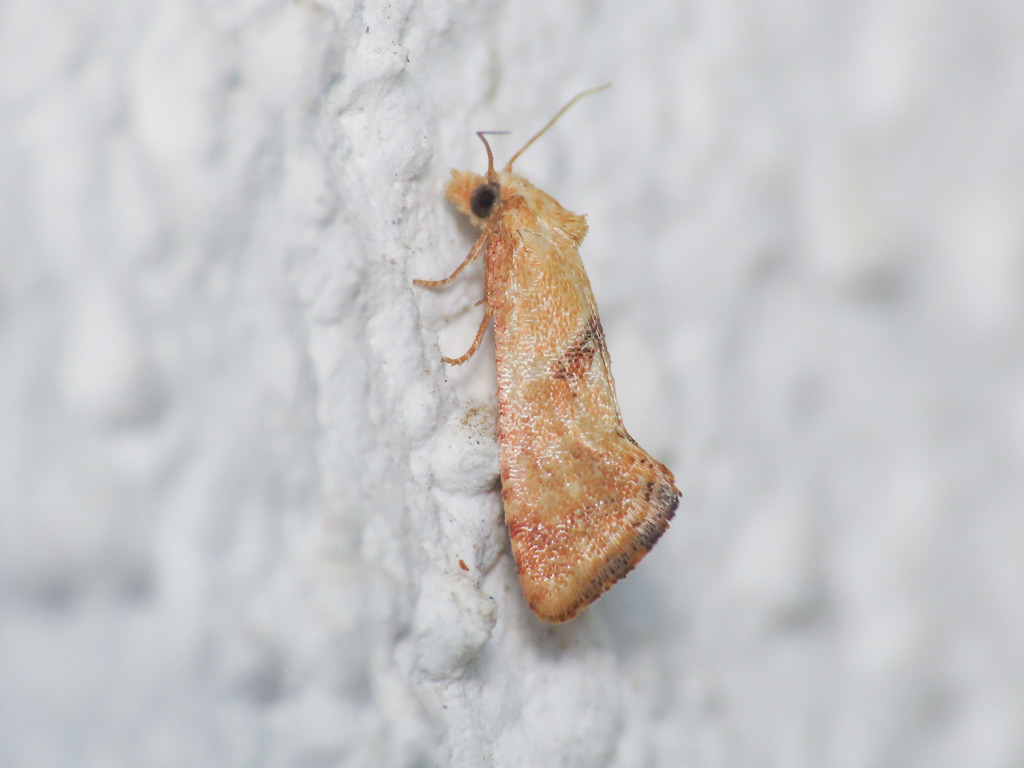
(c) Emanuele Santarelli, some rights reserved (CC BY-SA) · licence
Family: Tortricidae · Class: Insecta · Order: Lepidoptera
Cochylis nana is a California animal in the Tortricidae family.
Cochylis nana is a small moth in the family Tortricidae, commonly known as leafroller moths. This species belongs to a diverse group of microlepidoptera characterized by their typically small size and distinctive wing patterns. Adult moths of the genus Cochylis generally measure 8 to 15 millimeters in wingspan, with forewings that are often marked with metallic scales and intricate banding patterns typical of tortricid moths. The distribution and range of Cochylis nana remain poorly documented in the scientific literature. Limited taxonomic records suggest the species may occur in western North America, though specific locality data for California populations are not well established. The genus Cochylis is broadly distributed across temperate regions, with various species occupying diverse ecological niches from coastal areas to montane environments. Habitat requirements for Cochylis nana are not thoroughly documented, though related species in the genus typically inhabit areas where their host plants occur. Many Cochylis species are associated with herbaceous plants and shrubs, particularly those in the families Asteraceae, Rosaceae, and Fabaceae. The larvae often develop within rolled leaves, stems, or seed heads of their host plants, creating characteristic shelters that give the family its common name of leafroller moths. The life cycle of Cochylis nana likely follows the typical tortricid pattern of complete metamorphosis. Females deposit eggs on or near host plants, and the resulting larvae feed within plant tissues, often creating galleries or rolled leaf shelters. Pupation typically occurs within the larval feeding site or in nearby soil. Most tortricid moths have one to three generations per year, depending on climate and host plant phenology. Adult flight periods vary among species but often coincide with host plant flowering or optimal weather conditions. Limited information is available regarding the conservation status of Cochylis nana. The species does not appear on federal or state endangered species lists, and no specific population assessments have been documented. However, like many specialized herbivorous insects, tortricid moths can be vulnerable to habitat modification, pesticide use, and changes in host plant availability. Many microlepidoptera remain understudied, and their conservation needs may be underestimated due to taxonomic uncertainty and limited ecological knowledge. The taxonomic status of Cochylis nana requires further investigation, as historical classifications within the genus Cochylis have undergone revision. Some species previously assigned to Cochylis have been transferred to other genera within the subfamily Cochylini. Modern molecular techniques and detailed morphological studies are needed to clarify the systematic position of this and related species. Field surveys targeting tortricid moths in potential habitat areas would help establish the current distribution and population status of Cochylis nana in California and contribute to broader understanding of the state's lepidopteran diversity.
Classification
Class: Insecta · Order: Lepidoptera · Family: Tortricidae
Frequently asked questions
How is Cochylis nana classified?
Cochylis nana belongs to class Insecta, order Lepidoptera, family Tortricidae.
What family does Cochylis nana belong to?
Cochylis nana is in the Tortricidae family.
What is Cochylis nana?
Cochylis nana is a small moth in the family Tortricidae, commonly known as leafroller moths.
Is Cochylis nana found in California?
Yes. Cochylis nana is recorded in California in The California Species Project's catalogue.
Related species
Other California species in the same genus, family, or bioregion.
Data from The California Species Project — 14,000+ California species with verified data from CNPS, CDFW, USFWS, and more.