Cochylis parallelana
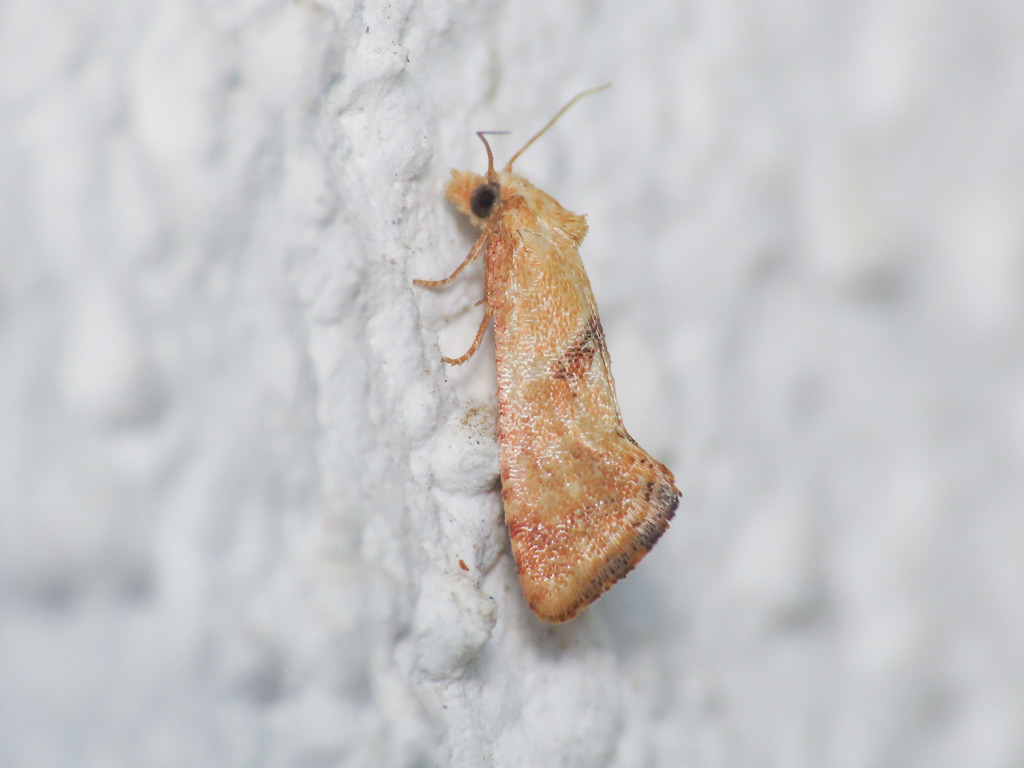
(c) Emanuele Santarelli, some rights reserved (CC BY-SA) · licence
Family: Tortricidae · Class: Insecta · Order: Lepidoptera
Cochylis parallelana is a California animal in the Tortricidae family.
Cochylis parallelana is a small moth in the family Tortricidae, commonly known as leafroller moths. This species belongs to a diverse group of microlepidoptera characterized by their typically small size and rolled-leaf larval feeding behavior. Adult moths of the genus Cochylis generally measure 8 to 15 mm in wingspan, with forewings displaying subtle patterns of brown, gray, or tan coloration that provide effective camouflage against bark and dried vegetation. The geographic distribution and range of Cochylis parallelana remain poorly documented in the scientific literature. Many species within the genus Cochylis have restricted distributions, often occurring in specific plant communities or elevation zones. Without verified occurrence records, the California range of this species cannot be accurately described, though other Cochylis species are known from various California ecosystems including chaparral, oak woodlands, and montane forests. Habitat requirements for Cochylis parallelana are not well-established in available sources. Members of the Tortricidae family typically inhabit areas where their host plants occur, with larvae developing within rolled or folded leaves, shoots, or flower heads. The specific microhabitat preferences, elevation range, and associated plant communities for this species require further field investigation and taxonomic verification. The life history and ecological behavior of Cochylis parallelana follow the general pattern observed in related tortricid moths. Larvae likely feed within protective shelters created by rolling or webbing together portions of host plant foliage. Development typically includes four to five larval instars before pupation occurs either within the larval feeding site or in nearby debris. Adults are presumably active during warmer months, with flight periods varying based on elevation and local climate conditions. Mating behavior likely involves pheromone communication, as documented in other Cochylis species. The number of generations per year and specific seasonal timing remain undocumented for this species. No formal conservation status has been assigned to Cochylis parallelana at federal, state, or global levels. The species does not appear on current endangered species lists or conservation concern databases. This absence from conservation assessments may reflect either genuinely stable populations or insufficient survey data to evaluate population trends and threats. Many microlepidoptera remain poorly studied, with limited information on distribution, abundance, and ecological requirements. Climate change, habitat fragmentation, and pesticide use represent potential threats to specialized moth species, though the specific vulnerability of Cochylis parallelana cannot be assessed without baseline population data and ecological studies. Further taxonomic research is needed to confirm the species' identity, distribution, and conservation needs within California's diverse lepidopteran fauna.
Classification
Class: Insecta · Order: Lepidoptera · Family: Tortricidae
Frequently asked questions
How is Cochylis parallelana classified?
Cochylis parallelana belongs to class Insecta, order Lepidoptera, family Tortricidae.
What family does Cochylis parallelana belong to?
Cochylis parallelana is in the Tortricidae family.
What is Cochylis parallelana?
Cochylis parallelana is a small moth in the family Tortricidae, commonly known as leafroller moths.
Is Cochylis parallelana found in California?
Yes. Cochylis parallelana is recorded in California in The California Species Project's catalogue.
Related species
Other California species in the same genus, family, or bioregion.
Data from The California Species Project — 14,000+ California species with verified data from CNPS, CDFW, USFWS, and more.