Coelopa vanduzeei
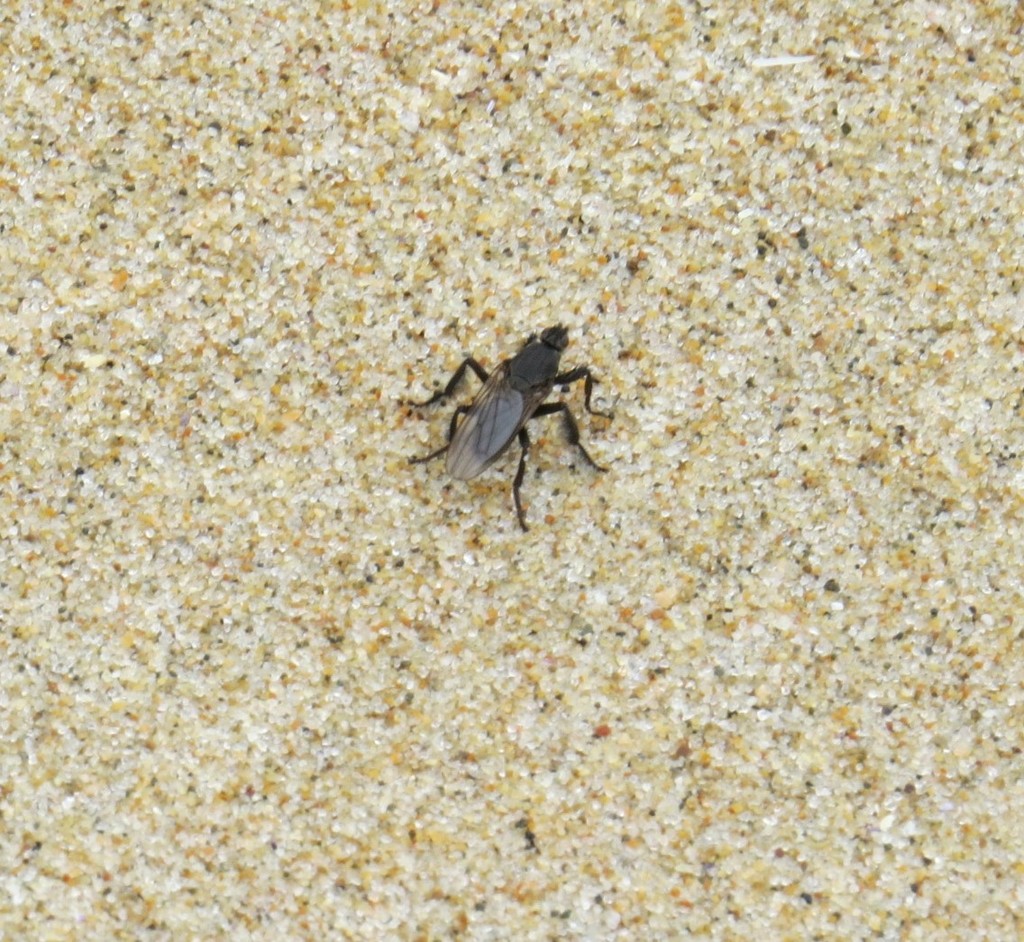
no rights reserved · CC0
Family: Coelopidae · Class: Insecta · Order: Diptera
Coelopa vanduzeei is a California animal in the Coelopidae family.
Coelopa vanduzeei is a species of seaweed fly in the family Coelopidae, order Diptera. This dipteran belongs to a specialized group of flies associated with marine coastal environments, particularly areas with decaying organic matter from marine algae. Physical description details for this species are not well documented in the scientific literature. As a member of the genus Coelopa, it likely shares basic morphological characteristics with other seaweed flies, including a robust body structure adapted for life in harsh coastal conditions. Seaweed flies in this genus typically possess strong legs for navigating through dense accumulations of rotting kelp and other marine vegetation. The geographic range and distribution of Coelopa vanduzeei have not been comprehensively documented. The genus Coelopa includes four species in North America (BugGuide), with members typically found in coastal regions. Given the taxonomic placement and habitat requirements of related species, C. vanduzeei likely occurs along marine shorelines, though specific distributional data for this species remains limited. Coelopa vanduzeei inhabits coastal environments characterized by accumulations of rotting kelp and other marine organic debris (BugGuide). This habitat preference is consistent with other members of the genus, which are specialized for life in the decomposing seaweed wrack zone. These environments provide both larval development sites and adult feeding opportunities. The species likely occurs in the intertidal and supratidal zones where marine algae and other organic matter accumulate and decompose. The ecology and behavior of C. vanduzeei follow patterns typical of seaweed flies. Adults and larvae are associated with decaying marine vegetation, where they play important roles in the decomposition process. Larvae likely develop within rotting kelp masses, feeding on decomposing organic matter and associated microorganisms. Adults may feed on organic materials and potentially serve as prey for other coastal arthropods and birds. The species' life cycle is presumably tied to the availability of suitable organic matter along shorelines, which can vary seasonally and with ocean conditions. The conservation status of Coelopa vanduzeei has not been formally assessed. According to NatureServe Explorer, the species has no listing under the U.S. Endangered Species Act or other formal conservation designations as of December 2025. The lack of comprehensive distributional and ecological data makes it difficult to assess population trends or conservation needs. Coastal habitats face various pressures including development, pollution, and climate change effects such as sea level rise and altered storm patterns, which could potentially impact seaweed fly populations and their specialized habitat requirements. Scientific documentation for this species remains extremely limited. The information presented here synthesizes available sources including taxonomic databases and genus-level habitat information. Detailed studies of this species' biology, distribution, ecology, and conservation status are needed to better understand its role in coastal ecosystems and any potential conservation concerns.
Classification
Class: Insecta · Order: Diptera · Family: Coelopidae
Frequently asked questions
How is Coelopa vanduzeei classified?
Coelopa vanduzeei belongs to class Insecta, order Diptera, family Coelopidae.
What family does Coelopa vanduzeei belong to?
Coelopa vanduzeei is in the Coelopidae family.
What is Coelopa vanduzeei?
Coelopa vanduzeei is a species of seaweed fly in the family Coelopidae, order Diptera.
Is Coelopa vanduzeei found in California?
Yes. Coelopa vanduzeei is recorded in California in The California Species Project's catalogue.
More California species
This species has no close relatives in our California data — here are other species to explore.
Data from The California Species Project — 14,000+ California species with verified data from CNPS, CDFW, USFWS, and more.