Coelus gracilis
San Joaquin Dune Beetle
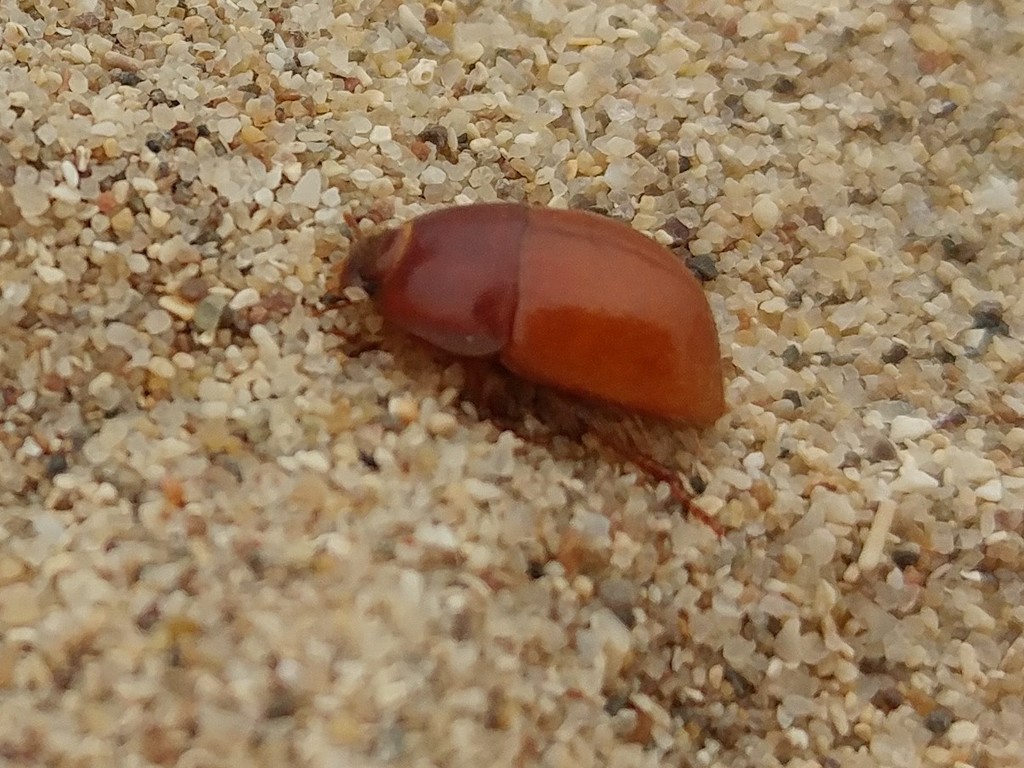
(c) Casey H. Richart, some rights reserved (CC BY) · licence
Family: Tenebrionidae · Class: Insecta · Order: Coleoptera
Conservation status: G1 S1
Coelus gracilis (San Joaquin Dune Beetle) is a California animal in the Tenebrionidae family.
The San Joaquin dune beetle (Coelus gracilis) is a small tenebrionid beetle endemic to California's interior sand dune systems. This species belongs to the darkling beetle family (Tenebrionidae) and is closely related to other dune-dwelling Coelus species, including the globose dune beetle (C. globosus) and Channel Islands dune beetle (C. pacificus). The San Joaquin dune beetle exhibits typical tenebrionid characteristics, with a hardened exoskeleton adapted to arid conditions, though specific morphological measurements have not been well documented in the scientific literature. Historically, the San Joaquin dune beetle occurred in scattered locations throughout the Sacramento and San Joaquin Valleys of California. The species was documented from inland sand dune habitats across these valleys, representing a distinct ecological niche separate from coastal dune beetle populations. Current distribution appears significantly reduced from historical range, with habitat fragmentation and loss contributing to population isolation. The species inhabits natural sand dune systems characterized by alkaline soils and sparse vegetation. These inland dune habitats differ substantially from coastal environments, featuring unique plant communities adapted to alkaline conditions and periodic drought. The beetle's association with specific sand dune microhabitats suggests specialized ecological requirements, though detailed habitat preferences remain poorly studied. Sand dune systems in the Central Valley have experienced extensive modification and loss due to agricultural conversion and urban development. Like other tenebrionid beetles, the San Joaquin dune beetle likely exhibits nocturnal activity patterns and feeds on organic matter within the sand substrate. Tenebrionids are typically detritivores, consuming decomposing plant material, fungi, and organic debris. Reproductive biology and seasonal activity patterns for this species have not been thoroughly documented, limiting understanding of population dynamics and life cycle requirements. The specialized nature of sand dune habitats suggests the species may have narrow ecological tolerances. The San Joaquin dune beetle was identified as a candidate species for federal listing under the Endangered Species Act, appearing on the U.S. Fish and Wildlife Service candidate species list as documented in Federal Register notices from 1996. According to NatureServe, primary threats include habitat fragmentation, off-road vehicle impacts, invasive alien plants, and probable loss of at least one well-known population from the Antioch Dunes area (NatureServe Explorer). The species faces ongoing challenges from continued habitat conversion and degradation of remaining sand dune systems in California's Central Valley. The extensive modification of Central Valley landscapes has eliminated or severely altered much of the historical sand dune habitat upon which this species depends. Conservation efforts for sand dune ecosystems in California have focused primarily on coastal systems, with inland dune habitats receiving less attention despite supporting unique endemic fauna. The San Joaquin dune beetle represents part of a specialized sand dune community that requires targeted habitat protection and management to ensure long-term persistence.
Classification
Class: Insecta · Order: Coleoptera · Family: Tenebrionidae
Conservation status
G1 S1
Frequently asked questions
How is Coelus gracilis classified?
Coelus gracilis belongs to class Insecta, order Coleoptera, family Tenebrionidae.
What family does Coelus gracilis belong to?
Coelus gracilis is in the Tenebrionidae family.
Is Coelus gracilis protected or of conservation concern?
Coelus gracilis carries the following status: G1 S1.
What is Coelus gracilis?
The San Joaquin dune beetle (Coelus gracilis) is a small tenebrionid beetle endemic to California's interior sand dune systems.
Is Coelus gracilis found in California?
Yes. Coelus gracilis is recorded in California in The California Species Project's catalogue.
Related species
Other California species in the same genus, family, or bioregion.
Data from The California Species Project — 14,000+ California species with verified data from CNPS, CDFW, USFWS, and more.