Coleophora glaucella
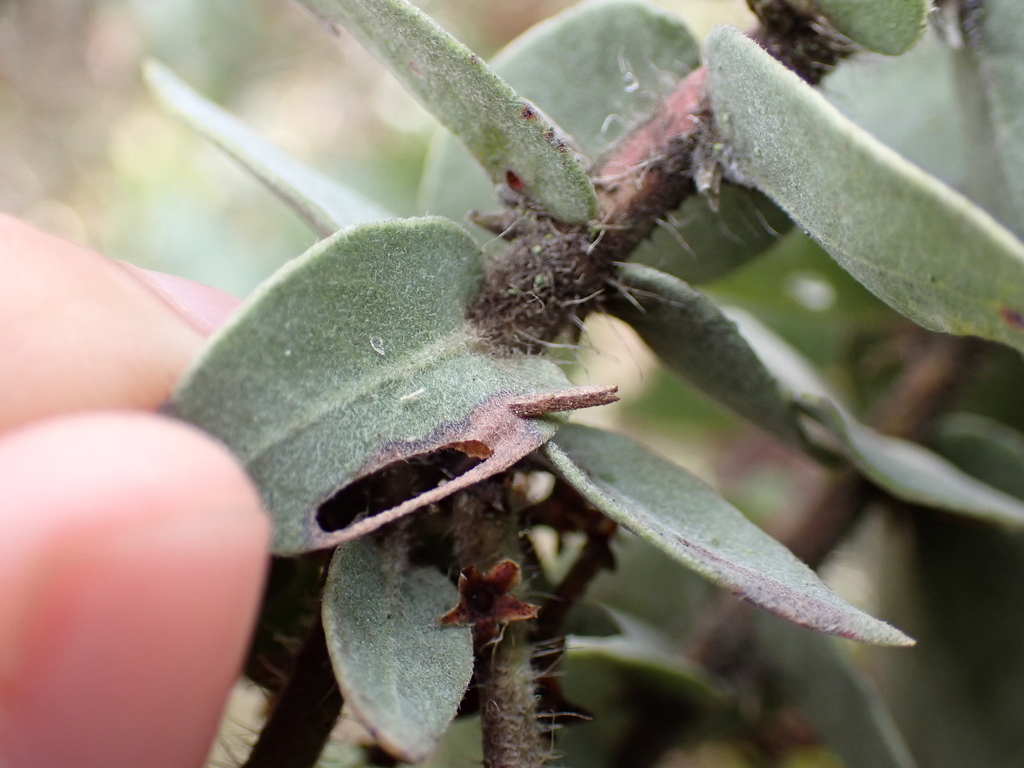
(c) Neal Kelso, some rights reserved (CC BY) · licence
Family: Coleophoridae · Class: Insecta · Order: Lepidoptera
Coleophora glaucella is a California animal in the Coleophoridae family.
Coleophora glaucella is a small moth in the family Coleophoridae, commonly known as case-bearer moths. Adults have a wingspan of approximately 8 to 12 mm (0.3 to 0.5 inches), with narrow forewings that are typically grayish-brown to pale brown in coloration. The hindwings are fringed and lighter in color, often appearing whitish or pale gray. Like other Coleophora species, the antennae are simple and the head bears small compound eyes. The forewings may display subtle markings or variations in shading, though specific patterns can be difficult to distinguish without magnification. The global distribution of Coleophora glaucella includes parts of Europe and North America. In North America, the species has been documented in various regions, though specific California distribution records require further documentation. The genus Coleophora contains numerous species that can be challenging to distinguish without detailed morphological examination or genetic analysis. Coleophora species typically inhabit areas where their host plants occur, often in open habitats, grasslands, meadows, or forest edges. The specific habitat preferences of C. glaucella in California would depend on the availability of suitable host plants and environmental conditions. Many Coleophora moths are associated with herbaceous plants, shrubs, or trees, with larvae developing within protective cases constructed from plant material. The life cycle follows the typical lepidopteran pattern of egg, larva, pupa, and adult. Coleophora larvae are distinctive for their case-bearing behavior, constructing portable protective cases from plant material, silk, and sometimes sand or other debris. The larval case serves as both shelter and camouflage as the caterpillar feeds externally on host plant tissues. Larvae typically mine leaves or feed on seeds, depending on the species. Pupation usually occurs within the larval case or in a specially constructed pupal case. Flight periods for adults vary by species and geographic location, with many Coleophora moths active during late spring through early fall. Without specific conservation status listings, Coleophora glaucella does not appear to be currently recognized as threatened or endangered at federal or state levels. However, like many small moth species, population trends and conservation needs may be poorly documented due to identification challenges and limited survey efforts. The conservation status of micro-lepidoptera is often uncertain because these species require specialized taxonomic expertise for accurate identification and monitoring. Habitat loss, pesticide use, and climate change represent potential threats to populations of small moths, though specific impacts on C. glaucella have not been well-studied. Further research is needed to establish population trends, habitat requirements, and conservation needs for this species in California.
Classification
Class: Insecta · Order: Lepidoptera · Family: Coleophoridae
Frequently asked questions
How is Coleophora glaucella classified?
Coleophora glaucella belongs to class Insecta, order Lepidoptera, family Coleophoridae.
What family does Coleophora glaucella belong to?
Coleophora glaucella is in the Coleophoridae family.
What is Coleophora glaucella?
Coleophora glaucella is a small moth in the family Coleophoridae, commonly known as case-bearer moths.
Is Coleophora glaucella found in California?
Yes. Coleophora glaucella is recorded in California in The California Species Project's catalogue.
Related species
Other California species in the same genus, family, or bioregion.
Data from The California Species Project — 14,000+ California species with verified data from CNPS, CDFW, USFWS, and more.