Compsomyiops callipes
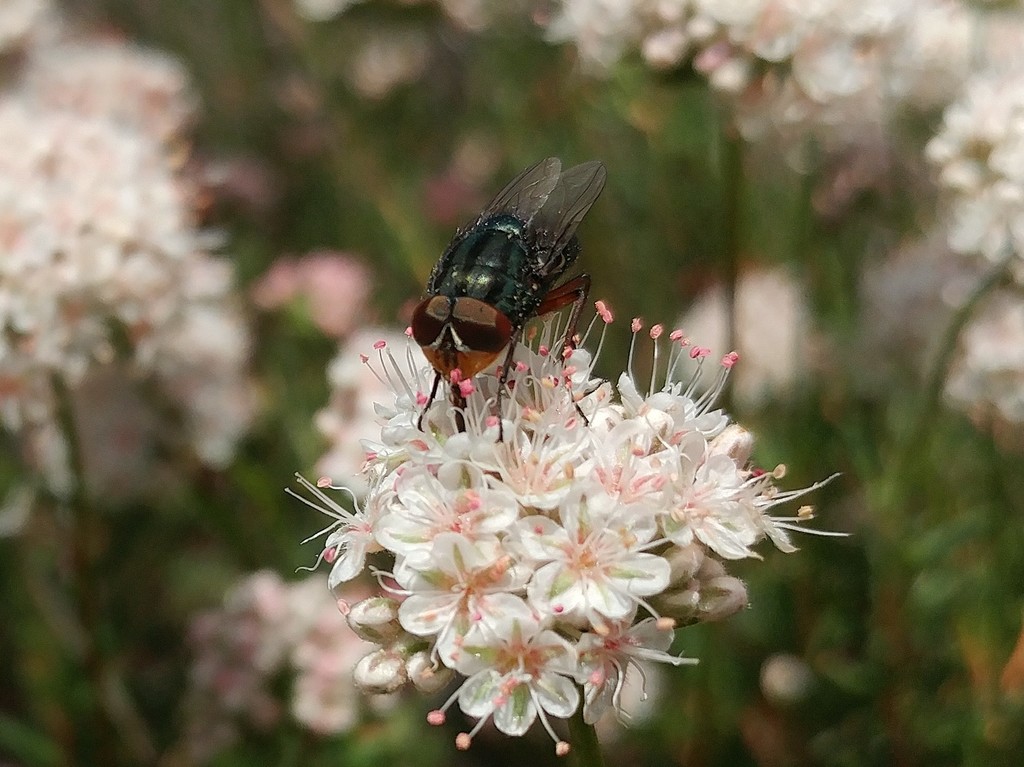
(c) Casey H. Richart, some rights reserved (CC BY) · licence
Family: Calliphoridae · Class: Insecta · Order: Diptera
Compsomyiops callipes is a California animal in the Calliphoridae family.
Compsomyiops callipes is a fly species in the family Calliphoridae, commonly known as blow flies or bottle flies. This family includes numerous species that are ecologically important as decomposers and pollinators, though detailed morphological descriptions for C. callipes are not well documented in available scientific literature. The geographic range and distribution of Compsomyiops callipes within California has not been comprehensively mapped in current databases. Like other Calliphoridae species, it likely occurs across multiple habitat types, but specific range data for this species requires further documentation through systematic surveys and taxonomic studies. Habitat requirements for C. callipes remain poorly characterized in published literature. Members of the Calliphoridae family typically occupy diverse environments including urban areas, agricultural lands, forests, and grasslands. They are often associated with decaying organic matter, carrion, and floral resources, suggesting C. callipes may utilize similar microhabitats. Elevation preferences and specific vegetation associations have not been documented for this species. The ecological role and behavioral patterns of Compsomyiops callipes have not been extensively studied. Calliphoridae flies generally exhibit complete metamorphosis, with larvae developing in decomposing organic matter and adults serving as pollinators and scavengers. Adult flies typically feed on nectar, pollen, and various organic fluids. Breeding behavior, seasonal activity patterns, and larval development requirements for C. callipes specifically await detailed investigation. The species likely plays a role in nutrient cycling and ecosystem processes similar to related blow flies, but quantitative studies are lacking. No federal or state conservation listing status has been assigned to Compsomyiops callipes, and it does not appear in current endangered species databases maintained by the U.S. Fish and Wildlife Service or California Department of Fish and Wildlife. Population trends and conservation needs are unknown due to limited baseline data on distribution and abundance. The species may face similar pressures as other insects, including habitat modification, pesticide use, and climate change, but specific threats have not been assessed. The taxonomic status and identification of C. callipes within the broader Calliphoridae family requires further clarification through molecular and morphological studies. Distinguishing characteristics from closely related species in the genus Compsomyiops are not well documented in accessible literature, potentially complicating field identification and ecological research. Scientific documentation for this species remains extremely limited despite thorough searches of authoritative databases and taxonomic resources. The information presented here synthesizes available taxonomic placement and inferences based on family-level characteristics. Additional research is needed to document basic biological and ecological parameters for effective species management and conservation assessment.
Classification
Class: Insecta · Order: Diptera · Family: Calliphoridae
Frequently asked questions
How is Compsomyiops callipes classified?
Compsomyiops callipes belongs to class Insecta, order Diptera, family Calliphoridae.
What family does Compsomyiops callipes belong to?
Compsomyiops callipes is in the Calliphoridae family.
What is Compsomyiops callipes?
Compsomyiops callipes is a fly species in the family Calliphoridae, commonly known as blow flies or bottle flies.
Is Compsomyiops callipes found in California?
Yes. Compsomyiops callipes is recorded in California in The California Species Project's catalogue.
Related species
Other California species in the same genus, family, or bioregion.
Data from The California Species Project — 14,000+ California species with verified data from CNPS, CDFW, USFWS, and more.