Cophura hurdi
Antioch Cophuran Robberfly
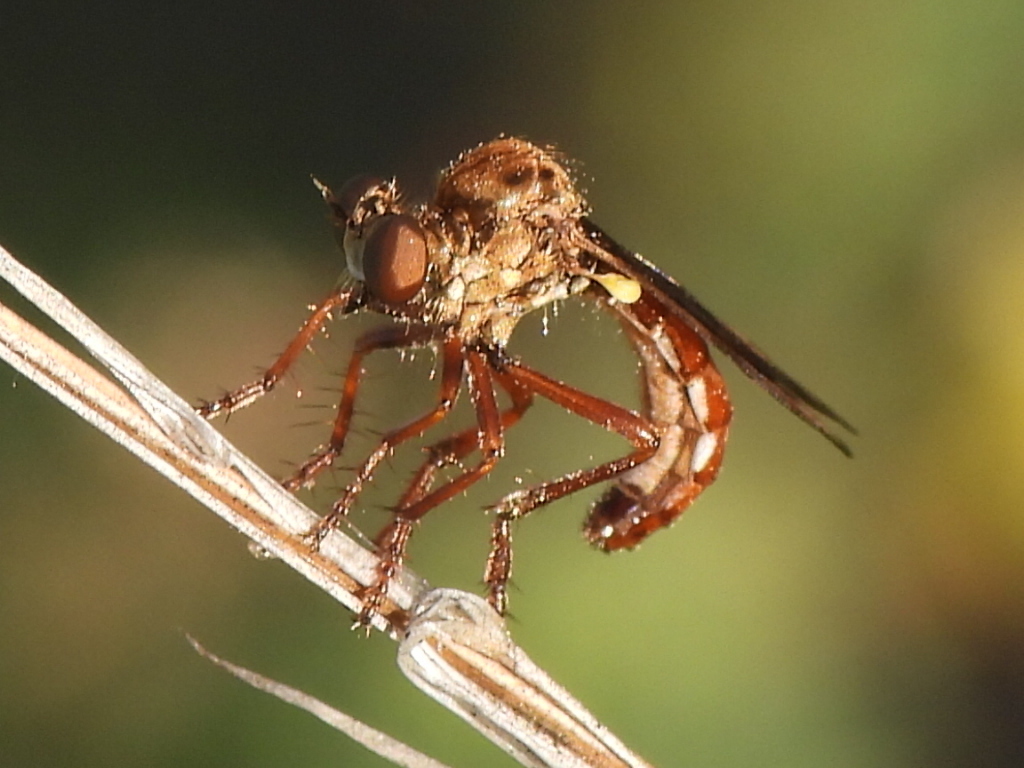
(c) Sam Kieschnick, some rights reserved (CC BY) · licence
Family: Asilidae · Class: Insecta · Order: Diptera
Conservation status: GX SX
Cophura hurdi (Antioch Cophuran Robberfly) is a California animal in the Asilidae family.
The Antioch Cophuran Robberfly is a dipteran species in the family Asilidae, subfamily Dasypogoninae. As a robber fly, this species belongs to a group of predatory insects characterized by their bristly appearance and hunting behavior. Specific morphological details for this species have not been well documented in the available scientific literature. Cophura hurdi is endemic to California, with its known range restricted to the Antioch Dunes area in Contra Costa County. According to NatureServe Explorer, this species was endemic to the Antioch Dunes ecosystem, a unique sand dune habitat located near the confluence of the Sacramento and San Joaquin Rivers. The species' extremely limited geographic distribution made it particularly vulnerable to habitat loss and environmental changes. The Antioch Dunes represent a specialized sandy habitat that supported several endemic species. This ecosystem consists of inland sand dunes formed by wind-blown sediments from the Sacramento-San Joaquin Delta. The dunes create unique microclimatic conditions and substrate characteristics that support specialized flora and fauna. The sandy soils and associated vegetation communities provided the specific habitat requirements for this robber fly species. As a member of the Asilidae family, Cophura hurdi would have been a predatory insect, capturing other flying insects in aerial pursuit. Robber flies typically have excellent vision and strong flight capabilities, allowing them to hunt prey on the wing. They inject enzymes into captured prey to liquefy internal tissues before consumption. Specific behavioral observations, seasonal activity patterns, and prey preferences for this particular species have not been documented in the available literature. Cophura hurdi holds a Global rank of GX and State rank of SX, indicating the species is presumed extinct both globally and within California. NatureServe Explorer reports that the species appears to be extinct, with Powell (1978) documenting its disappearance. The U.S. Fish and Wildlife Service lists this species as a Species of Concern, a designation for taxa that may warrant listing under the Endangered Species Act but lack sufficient data for formal listing decisions. The Antioch Dunes ecosystem has been severely impacted by sand mining, urban development, and invasive species, leading to the loss of multiple endemic species including this robber fly. The apparent extinction of Cophura hurdi represents part of a broader pattern of species loss within the Antioch Dunes ecosystem. Other endemic species from this habitat, including the Antioch Dunes evening-primrose and Lange's metalmark butterfly, have faced similar conservation challenges. The remaining portions of the Antioch Dunes are now protected as the Antioch Dunes National Wildlife Refuge, established in 1980, though this protection came too late for several endemic species including the Antioch Cophuran Robberfly. Scientific documentation for this species remains extremely limited. The information presented here synthesizes available data from federal databases and NatureServe records. Additional research would be needed to confirm the taxonomic status and potential persistence of any remaining populations.
Classification
Class: Insecta · Order: Diptera · Family: Asilidae
Conservation status
GX SX
Frequently asked questions
How is Cophura hurdi classified?
Cophura hurdi belongs to class Insecta, order Diptera, family Asilidae.
What family does Cophura hurdi belong to?
Cophura hurdi is in the Asilidae family.
Is Cophura hurdi protected or of conservation concern?
Cophura hurdi carries the following status: GX SX.
What is Cophura hurdi?
The Antioch Cophuran Robberfly is a dipteran species in the family Asilidae, subfamily Dasypogoninae.
Is Cophura hurdi found in California?
Yes. Cophura hurdi is recorded in California in The California Species Project's catalogue.
Related species
Other California species in the same genus, family, or bioregion.
Data from The California Species Project — 14,000+ California species with verified data from CNPS, CDFW, USFWS, and more.