Cosipara modulalis
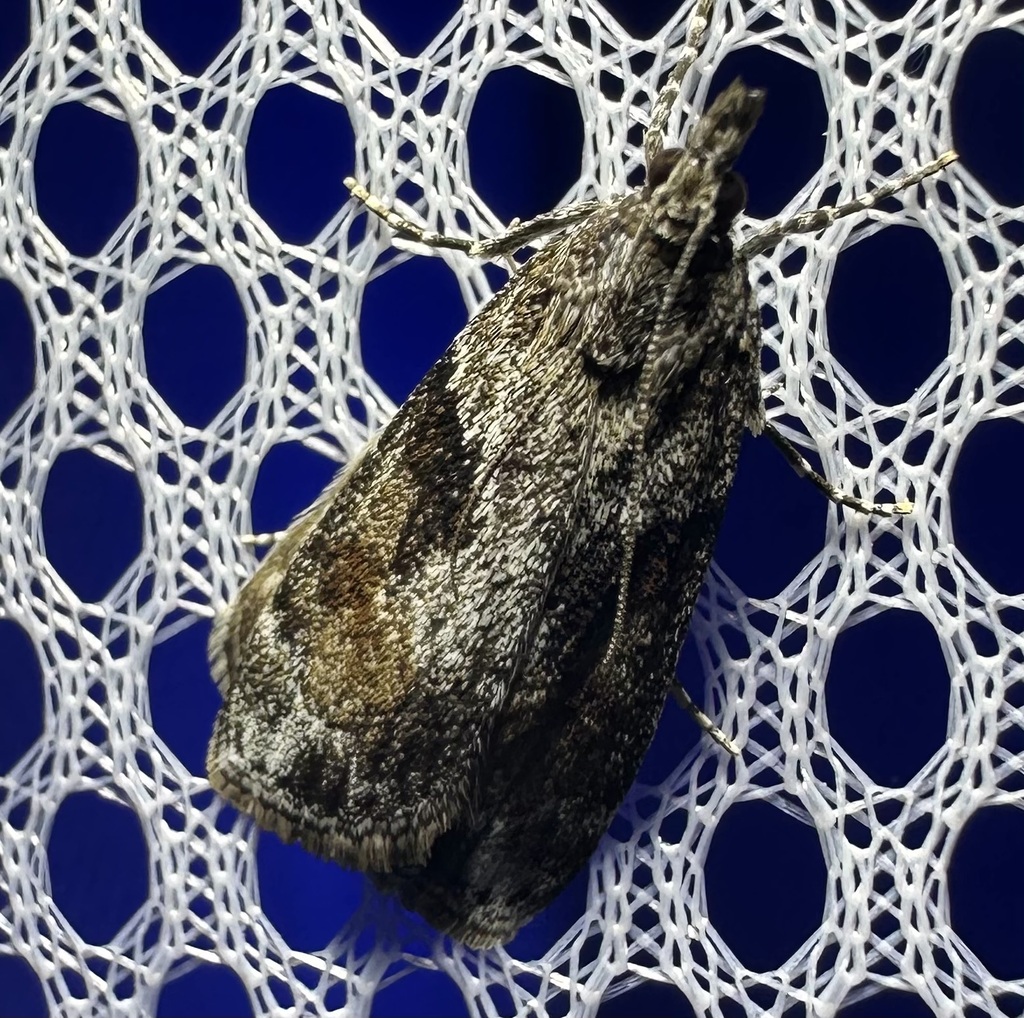
(c) Barbara Banfield, some rights reserved (CC BY) · licence
Family: Crambidae · Class: Insecta · Order: Lepidoptera
Cosipara modulalis is a California animal in the Crambidae family.
Cosipara modulalis is a moth species belonging to the family Crambidae, commonly known as grass moths or snout moths. This lepidopteran species represents one of the lesser-documented moths within the diverse Crambidae family, which comprises over 10,000 described species worldwide. Physical characteristics of C. modulalis align with typical crambid morphology, featuring a moderate wingspan and elongated labial palps that project forward from the head, giving the characteristic 'snout-like' appearance common to this family. The forewings typically display cryptic coloration patterns that provide camouflage against natural substrates. Wing venation follows the standard crambid pattern with well-developed hindwings. Adult moths possess thread-like antennae and legs adapted for perching on vegetation. The geographic distribution of Cosipara modulalis appears restricted to specific regions, though comprehensive range data remains limited in current taxonomic literature. Like many crambid species, this moth likely maintains a localized distribution pattern tied to specific host plant availability and suitable microhabitat conditions. The species' occurrence may be influenced by elevation, climate variables, and vegetation communities that support its larval development requirements. Habitat associations for C. modulalis likely involve grassland, woodland edge, or riparian environments where appropriate host plants occur. Crambidae larvae typically develop on herbaceous plants, grasses, or low-growing shrubs, with species-specific host plant relationships driving habitat selection. Adults are likely active during evening and nighttime hours, following typical moth behavioral patterns. Flight periods probably coincide with optimal temperature and humidity conditions for mating and oviposition. The life cycle follows standard lepidopteran development through complete metamorphosis. Females deposit eggs on or near suitable host plants, where larvae undergo multiple instars before pupating. Larval feeding behavior may involve leaf consumption, stem boring, or root feeding, depending on the species' ecological specialization. Adult moths likely feed on nectar from flowering plants or other natural sugar sources when available. Conservation status information for Cosipara modulalis is not well-documented in major conservation databases. The species lacks federal or state listing status, and population trends remain largely unknown. This knowledge gap is common among many moth species, particularly those in the Crambidae family, which often receive limited research attention compared to butterflies or larger, more conspicuous moth species. The absence of formal conservation assessment may indicate either stable populations or insufficient survey data to determine status. Like many lepidopteran species, C. modulalis potentially faces threats from habitat modification, pesticide use, light pollution affecting nocturnal behavior, and climate change impacts on host plant phenology. However, without comprehensive ecological studies and population monitoring, the actual conservation needs and threat levels for this species remain uncertain. Further research is needed to establish baseline population data, habitat requirements, and potential conservation priorities for Cosipara modulalis within its native range.
Classification
Class: Insecta · Order: Lepidoptera · Family: Crambidae
Frequently asked questions
How is Cosipara modulalis classified?
Cosipara modulalis belongs to class Insecta, order Lepidoptera, family Crambidae.
What family does Cosipara modulalis belong to?
Cosipara modulalis is in the Crambidae family.
What is Cosipara modulalis?
Cosipara modulalis is a moth species belonging to the family Crambidae, commonly known as grass moths or snout moths.
Is Cosipara modulalis found in California?
Yes. Cosipara modulalis is recorded in California in The California Species Project's catalogue.
Related species
Other California species in the same genus, family, or bioregion.
Data from The California Species Project — 14,000+ California species with verified data from CNPS, CDFW, USFWS, and more.