Crambidia dusca
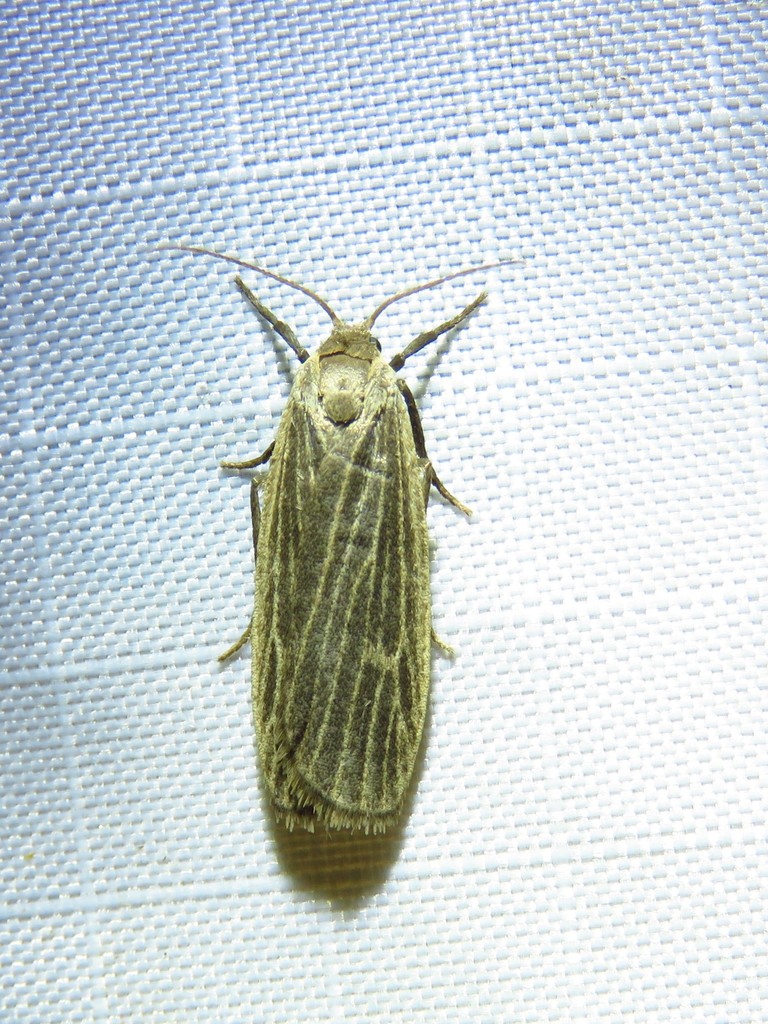
(c) Annika Lindqvist, some rights reserved (CC BY) · licence
Family: Erebidae · Class: Insecta · Order: Lepidoptera
Crambidia dusca is a California animal in the Erebidae family.
Crambidia dusca is a small moth species belonging to the family Erebidae, subfamily Arctiinae. This species represents one of the lesser-documented members of the genus Crambidia in North America. Adult moths typically exhibit the characteristic features of the genus, with forewings measuring approximately 8-12 millimeters in length. The forewings display muted coloration patterns typical of Crambidia species, often featuring subtle brown, gray, or cream tones with indistinct markings. The hindwings are generally paler and more translucent. Sexual dimorphism may be present, with males potentially having more feathered or bipectinate antennae compared to females. The current known range and distribution of Crambidia dusca remains poorly documented in the scientific literature. Limited collection records suggest the species may occur in western North America, potentially including California, though specific county-level distribution data is not readily available. Historical collection localities and the full extent of the species' geographic range require further investigation through systematic surveys and taxonomic research. Habitat preferences for Crambidia dusca are not well-established in current literature. Based on ecological patterns observed in related Crambidia species, this moth likely inhabits areas with suitable host plant communities and appropriate microclimate conditions. The species may occur in various elevation zones, though specific altitudinal ranges have not been documented. Habitat associations with particular vegetation types, slope aspects, or soil conditions remain unknown and require field studies to determine. The life history and ecological behavior of Crambidia dusca are largely undocumented. Adult flight periods, larval host plants, and developmental timing are not established in available literature. Related Crambidia species typically have larvae that feed on various herbaceous plants, lichens, or organic detritus, but the specific dietary requirements of C. dusca remain unknown. Reproductive behavior, including mating systems, oviposition preferences, and larval development patterns, have not been studied. The species likely follows typical erebid moth development with complete metamorphosis through egg, larval, pupal, and adult stages. The conservation status of Crambidia dusca is not currently assessed by federal or state wildlife agencies. The species does not appear on federal endangered species lists or California state listings as of December 2025. Population trends, abundance estimates, and threat assessments are not available due to the limited research conducted on this species. The lack of comprehensive distributional data and ecological information represents a significant knowledge gap that hampers conservation planning efforts. Potential threats to the species cannot be adequately assessed without baseline population data and habitat requirements. Further taxonomic research, systematic surveys, and ecological studies are needed to determine the species' conservation needs and develop appropriate management strategies if warranted.
Classification
Class: Insecta · Order: Lepidoptera · Family: Erebidae
Frequently asked questions
How is Crambidia dusca classified?
Crambidia dusca belongs to class Insecta, order Lepidoptera, family Erebidae.
What family does Crambidia dusca belong to?
Crambidia dusca is in the Erebidae family.
What is Crambidia dusca?
Crambidia dusca is a small moth species belonging to the family Erebidae, subfamily Arctiinae.
Is Crambidia dusca found in California?
Yes. Crambidia dusca is recorded in California in The California Species Project's catalogue.
Related species
Other California species in the same genus, family, or bioregion.
Data from The California Species Project — 14,000+ California species with verified data from CNPS, CDFW, USFWS, and more.