Crambidia suffusa
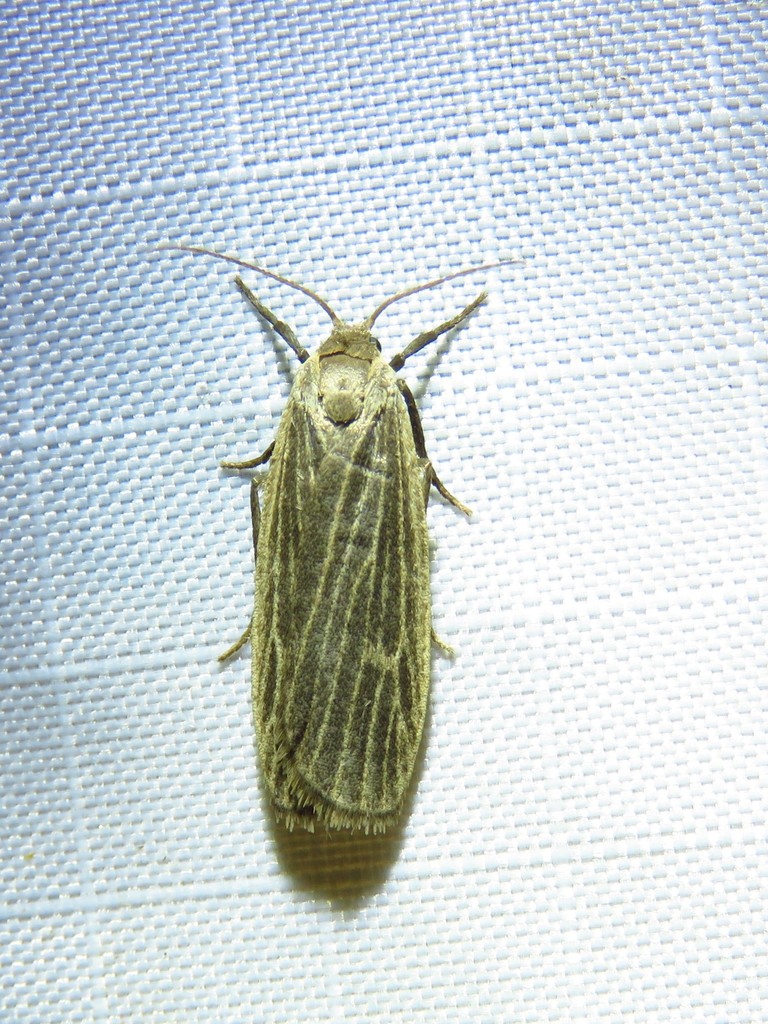
(c) Annika Lindqvist, some rights reserved (CC BY) · licence
Family: Erebidae · Class: Insecta · Order: Lepidoptera
Crambidia suffusa is a California animal in the Erebidae family.
Crambidia suffusa is a small moth in the family Erebidae, subfamily Arctiinae. This species belongs to a group of moths commonly known as lichen moths due to their larvae's feeding habits on lichens and algae. Adult moths typically measure 15-25 mm in wingspan, displaying muted coloration patterns that provide effective camouflage against bark and lichen substrates where they rest during daylight hours. The range and distribution of Crambidia suffusa in California remains poorly documented in the scientific literature. Like many microlepidoptera species, detailed distributional data is limited due to the specialized identification skills required and the nocturnal, secretive nature of adults. The species likely occurs in multiple counties throughout the state, but comprehensive surveys are needed to establish precise range boundaries and population centers. Crambidia suffusa inhabits areas where suitable lichen communities exist, including oak woodlands, mixed coniferous forests, and coastal scrub environments. The species shows preference for habitats with abundant epiphytic lichens growing on tree bark, rocks, and other substrates. Elevation range is not well-established, but related species in the genus occupy both low-elevation coastal areas and montane forests up to 2,000 meters elevation. Microhabitat selection appears closely tied to lichen availability and diversity. Larvae of Crambidia suffusa feed primarily on crustose and foliose lichens, using specialized mandibles to scrape lichen thalli from bark surfaces. This feeding behavior is characteristic of the Lithosiini tribe within Arctiinae. Adult moths are nocturnal and attracted to artificial lights, with peak activity periods likely occurring during spring and early summer months based on patterns observed in related species. Females deposit eggs singly or in small clusters near suitable lichen patches. The species is presumed to be univoltine, completing one generation per year, though this life cycle timing requires verification through field studies. Mating behavior involves pheromone communication, with males attracted to female-produced chemical signals over considerable distances. Adults have reduced mouthparts and likely do not feed, relying on energy reserves accumulated during the larval stage. Overwintering likely occurs in the pupal stage, with adults emerging the following spring or early summer. The conservation status of Crambidia suffusa is not formally assessed by state or federal agencies. Like many moth species, it faces potential threats from habitat loss, air pollution impacts on lichen communities, and pesticide applications in managed landscapes. Climate change may affect the distribution and abundance of host lichen species, indirectly impacting moth populations. The species' cryptic nature and taxonomic complexity within the genus make population monitoring challenging. Comprehensive surveys using light trapping and pheromone lures would improve understanding of distribution patterns, abundance, and conservation needs. Protection of lichen-rich habitats, particularly old-growth forest stands and areas with minimal air pollution, benefits this species and other lichen-dependent organisms.
Classification
Class: Insecta · Order: Lepidoptera · Family: Erebidae
Frequently asked questions
How is Crambidia suffusa classified?
Crambidia suffusa belongs to class Insecta, order Lepidoptera, family Erebidae.
What family does Crambidia suffusa belong to?
Crambidia suffusa is in the Erebidae family.
What is Crambidia suffusa?
Crambidia suffusa is a small moth in the family Erebidae, subfamily Arctiinae.
Is Crambidia suffusa found in California?
Yes. Crambidia suffusa is recorded in California in The California Species Project's catalogue.
Related species
Other California species in the same genus, family, or bioregion.
Data from The California Species Project — 14,000+ California species with verified data from CNPS, CDFW, USFWS, and more.