Crambus gausapalis
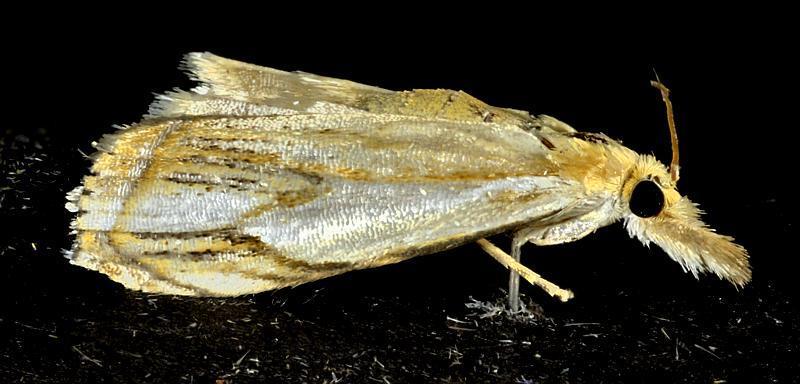
no rights reserved · CC0
Family: Crambidae · Class: Insecta · Order: Lepidoptera
Crambus gausapalis is a California animal in the Crambidae family.
Crambus gausapalis is a small moth species in the family Crambidae, one of the grass moth families characterized by narrow forewings and relatively broad hindwings. This species belongs to the genus Crambus, which contains numerous small, cryptically colored moths that are often difficult to distinguish from one another without detailed examination of wing patterns and genitalic structures. The species is endemic to California, representing one of many regional endemics in the diverse lepidopteran fauna of the state. California's Mediterranean climate and varied topography support numerous specialized moth species, many with restricted distributions. The precise historical and current range of C. gausapalis within California has not been thoroughly documented in available scientific literature, reflecting the limited study of many microlepidopteran species in the region. Specific habitat requirements for C. gausapalis remain poorly documented. Members of the genus Crambus typically inhabit grasslands, meadows, and open areas where their larvae feed on grasses and related plants. Many Crambus species show preferences for particular grass species or plant communities, but the specific host plant associations of C. gausapalis have not been definitively established. The larvae likely develop as root or stem borers in grasses, following the typical life history pattern of the genus. Adult flight periods and behavioral patterns for C. gausapalis have not been well studied. Most Crambus species are active at dusk and night, when adults can be attracted to lights. Males typically locate females through pheromone detection, and mating occurs during nighttime hours. Larvae develop within grass stems or root systems, pupating in the soil or plant debris before emerging as adults. The number of generations per year and specific timing of life cycle events for this species remain undocumented. C. gausapalis does not appear on federal or state endangered species lists, and its conservation status has not been formally assessed. Like many small moths, this species likely faces pressures from habitat conversion, urbanization, and changes in grassland management practices throughout California. The conversion of native grasslands to agriculture and development has affected numerous grass-associated lepidopteran species across the state. Climate change may also influence the distribution and abundance of specialized grass-feeding moths through alterations in precipitation patterns and plant community composition. Scientific documentation for this species remains extremely limited. The information presented here synthesizes available taxonomic and ecological knowledge of the genus Crambus. Detailed studies of C. gausapalis distribution, host plant relationships, life history, and conservation needs are lacking. We welcome contributions of verified scientific data, photographs, or field observations to enhance this species account. Additional research is needed to understand the biology, distribution, and conservation status of this California endemic moth.
Classification
Class: Insecta · Order: Lepidoptera · Family: Crambidae
Frequently asked questions
How is Crambus gausapalis classified?
Crambus gausapalis belongs to class Insecta, order Lepidoptera, family Crambidae.
What family does Crambus gausapalis belong to?
Crambus gausapalis is in the Crambidae family.
What is Crambus gausapalis?
Crambus gausapalis is a small moth species in the family Crambidae, one of the grass moth families characterized by narrow forewings and relatively broad hindwings.
Is Crambus gausapalis found in California?
Yes. Crambus gausapalis is recorded in California in The California Species Project's catalogue.
Related species
Other California species in the same genus, family, or bioregion.
Data from The California Species Project — 14,000+ California species with verified data from CNPS, CDFW, USFWS, and more.