Cratypedes neglectus
Pronotal Range Grasshopper
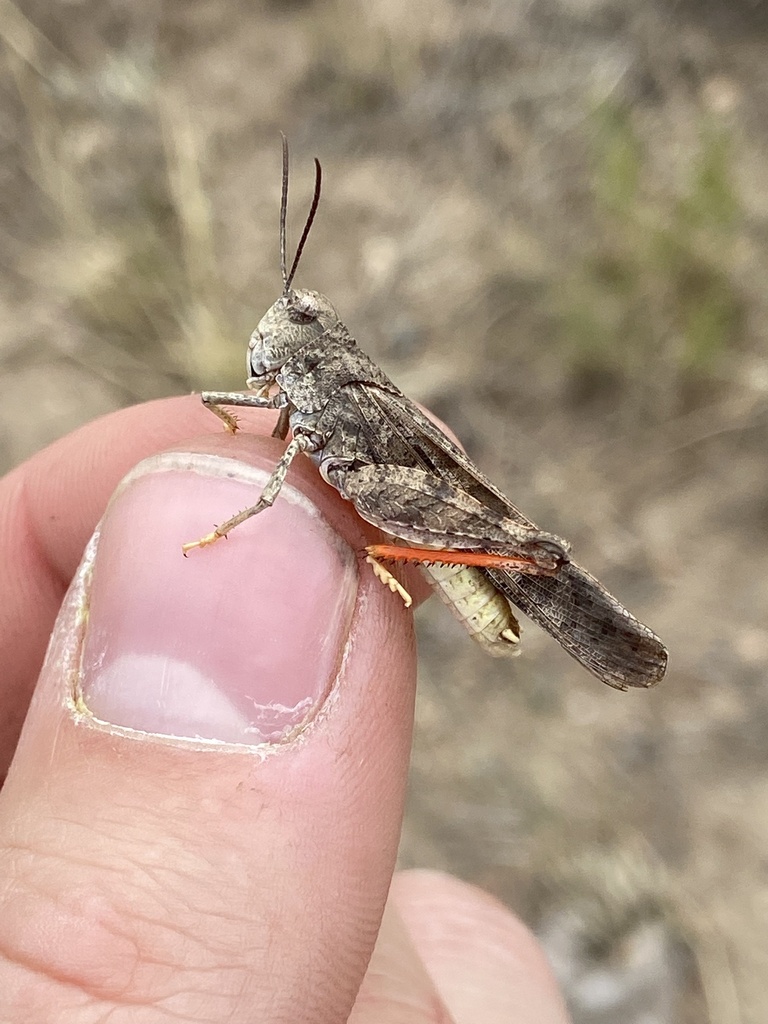
no rights reserved · CC0
Family: Acrididae · Class: Insecta · Order: Orthoptera
Cratypedes neglectus (Pronotal Range Grasshopper) is a California animal in the Acrididae family.
The Pronotal Range Grasshopper (Cratypedes neglectus) is a medium-sized acridid grasshopper belonging to the family Acrididae. Adult specimens typically measure 18-25 mm in body length, with females generally larger than males. The species exhibits the characteristic robust build of band-winged grasshoppers, with well-developed hind legs adapted for jumping. The pronotum, from which the common name derives, displays distinctive morphological features that aid in species identification, though detailed physical descriptions in scientific literature remain limited. This grasshopper occurs across western North America, with its range extending from southern California northward through Oregon and eastward into parts of the intermountain region. According to NatureServe Explorer, the species maintains a global conservation status of G5, indicating it is demonstrably secure across its range (NatureServe 2024). In California, Cratypedes neglectus is found primarily in the northern and central portions of the state, though specific county-level distribution data requires further documentation. The species inhabits a variety of open, semi-arid environments typical of western grassland ecosystems. Preferred habitats include grasslands, shrublands, and areas with scattered vegetation where the substrate provides suitable conditions for ground-dwelling orthopterans. Like many acridid grasshoppers, this species likely favors areas with moderate vegetation density that provide both food resources and adequate space for movement and thermoregulation. Cratypedes neglectus follows the typical life cycle pattern of temperate grasshoppers, with eggs overwintering in soil and hatching in spring. Adults are most commonly encountered during late summer and early fall months when reproductive activity peaks. The species is primarily herbivorous, feeding on various grasses and forbs characteristic of its habitat. Mating behavior likely involves both acoustic and visual displays, though specific courtship behaviors have not been extensively documented in the scientific literature. Unlike many California grasshopper species, Cratypedes neglectus does not appear on federal or state endangered species lists. The NatureServe ranking of G5 suggests stable populations throughout the species' range, indicating no immediate conservation concerns. However, like many grassland-dependent species, potential threats may include habitat conversion, agricultural intensification, and altered fire regimes that affect native grassland communities. Climate change impacts on precipitation patterns and temperature ranges could potentially affect population dynamics, though specific vulnerability assessments have not been conducted. Detailed ecological studies of this species remain limited, and much of the available information comes from general grasshopper surveys and taxonomic collections rather than focused research on Cratypedes neglectus specifically. The species represents part of the diverse orthopteran fauna of California's grassland ecosystems, contributing to the complex food webs that support various bird, reptile, and arthropod predator populations. Additional research on habitat requirements, population trends, and ecological relationships would enhance understanding of this species' role in western North American grassland communities.
Classification
Class: Insecta · Order: Orthoptera · Family: Acrididae
Frequently asked questions
How is Cratypedes neglectus classified?
Cratypedes neglectus belongs to class Insecta, order Orthoptera, family Acrididae.
What family does Cratypedes neglectus belong to?
Cratypedes neglectus is in the Acrididae family.
What is Cratypedes neglectus?
The Pronotal Range Grasshopper (Cratypedes neglectus) is a medium-sized acridid grasshopper belonging to the family Acrididae.
Is Cratypedes neglectus found in California?
Yes. Cratypedes neglectus is recorded in California in The California Species Project's catalogue.
Related species
Other California species in the same genus, family, or bioregion.
Data from The California Species Project — 14,000+ California species with verified data from CNPS, CDFW, USFWS, and more.