Crenichthys baileyi baileyi
White River springfish
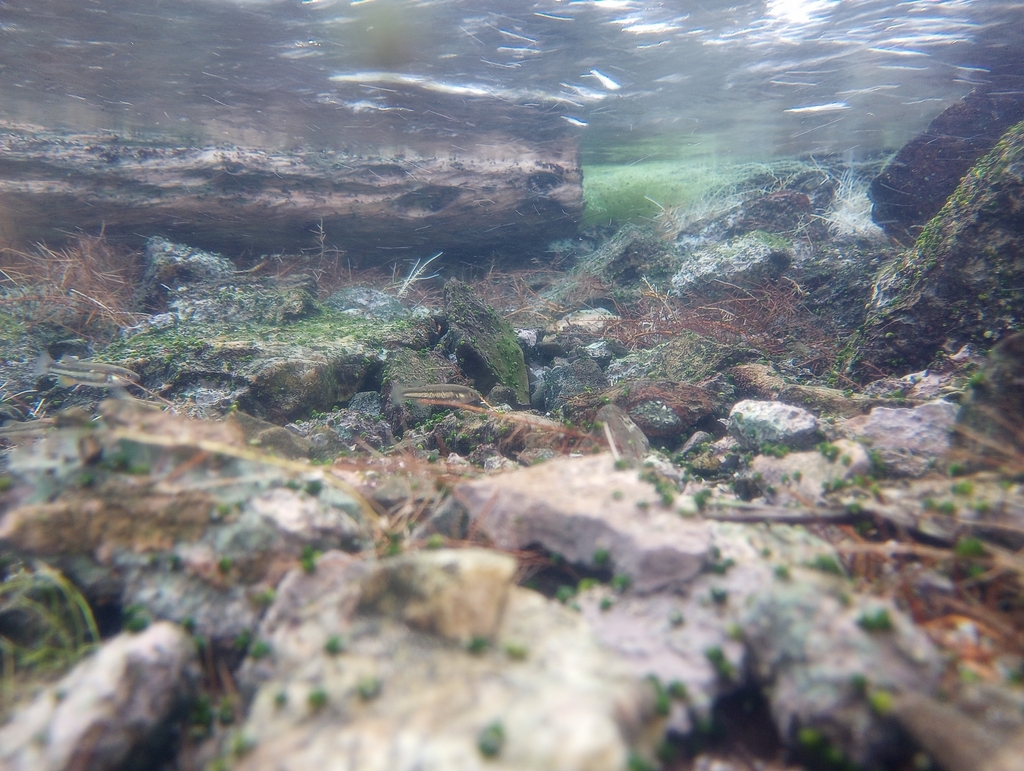
(c) Mike Ostrowski, some rights reserved (CC BY-SA) · licence
Family: Goodeidae · Class: Actinopterygii · Order: Cyprinodontiformes
Conservation status: Endangered
Crenichthys baileyi baileyi (White River springfish) is a California animal in the Goodeidae family.
The White River springfish is a small, endemic freshwater fish restricted to a single spring system in southeastern Nevada. Adults typically measure 40 to 60 mm (1.6 to 2.4 inches) in total length, with females generally growing larger than males. The body is elongate and cylindrical with a slightly compressed posterior region. Coloration varies from olive-brown to gray dorsally, fading to silver or white ventrally. Males develop darker coloration and more pronounced fins during breeding season. The species possesses a terminal mouth and relatively large eyes adapted to spring environments. Historically, Crenichthys baileyi baileyi was endemic to springs within the pluvial White River drainage system in southeastern Nevada. Today, the subspecies is restricted to a single spring system, representing a dramatic reduction from its original range. The species is one of four subspecies of White River springfish, each adapted to specific spring systems within the broader White River basin. This extreme geographic restriction makes it one of Nevada's most range-limited vertebrates. White River springfish inhabit thermal spring environments with relatively constant water temperatures and flows. These springs typically maintain temperatures between 28 to 32°C (82 to 90°F) year-round, with minimal seasonal variation. The fish prefer shallow areas with rocky substrates and emergent vegetation, often concentrating near spring sources where water is clearest. Water chemistry in these systems is characterized by high dissolved mineral content typical of desert springs. Habitat modifications from cattle grazing and water diversions have significantly altered the natural spring environment. White River springfish are primarily herbivorous, feeding on filamentous algae that grow abundantly in the warm spring waters. They also consume small aquatic insects and detritus when available. Reproduction occurs throughout much of the year due to stable thermal conditions, with peak spawning activity typically observed during spring and summer months. Females deposit adhesive eggs among vegetation and rocky crevices. The species exhibits schooling behavior, particularly in deeper pool areas, and shows strong site fidelity to preferred microhabitats within the spring system. The White River springfish was listed as federally endangered due to its extremely limited distribution and multiple threats. According to NatureServe, the species is threatened by habitat alteration from livestock grazing and the presence of exotic fish species that compete for resources and prey on juveniles (NatureServe 2025). Water diversions and groundwater pumping pose additional risks by reducing spring flows and altering thermal characteristics. The single remaining population makes the subspecies particularly vulnerable to catastrophic events or environmental changes. Conservation efforts focus on habitat protection, exotic species control, and monitoring of the remaining population. The species' survival depends entirely on maintaining the integrity of its single spring system habitat, making it one of the most critically imperiled fish taxa in the southwestern United States.
Classification
Class: Actinopterygii · Order: Cyprinodontiformes · Family: Goodeidae
Conservation status
Endangered
Frequently asked questions
How is Crenichthys baileyi baileyi classified?
Crenichthys baileyi baileyi belongs to class Actinopterygii, order Cyprinodontiformes, family Goodeidae.
What family does Crenichthys baileyi baileyi belong to?
Crenichthys baileyi baileyi is in the Goodeidae family.
Is Crenichthys baileyi baileyi protected or of conservation concern?
Crenichthys baileyi baileyi carries the following status: Endangered.
What is Crenichthys baileyi baileyi?
The White River springfish is a small, endemic freshwater fish restricted to a single spring system in southeastern Nevada.
Is Crenichthys baileyi baileyi found in California?
Yes. Crenichthys baileyi baileyi is recorded in California in The California Species Project's catalogue.
Related species
Other California species in the same genus, family, or bioregion.
Data from The California Species Project — 14,000+ California species with verified data from CNPS, CDFW, USFWS, and more.