Crotalus cerastes
Sidewinder
(c) Mark Pollock, some rights reserved (CC BY) · licence
Family: Viperidae · Class: Reptilia · Order: Squamata
Crotalus cerastes (Sidewinder) is a California animal in the Viperidae family.
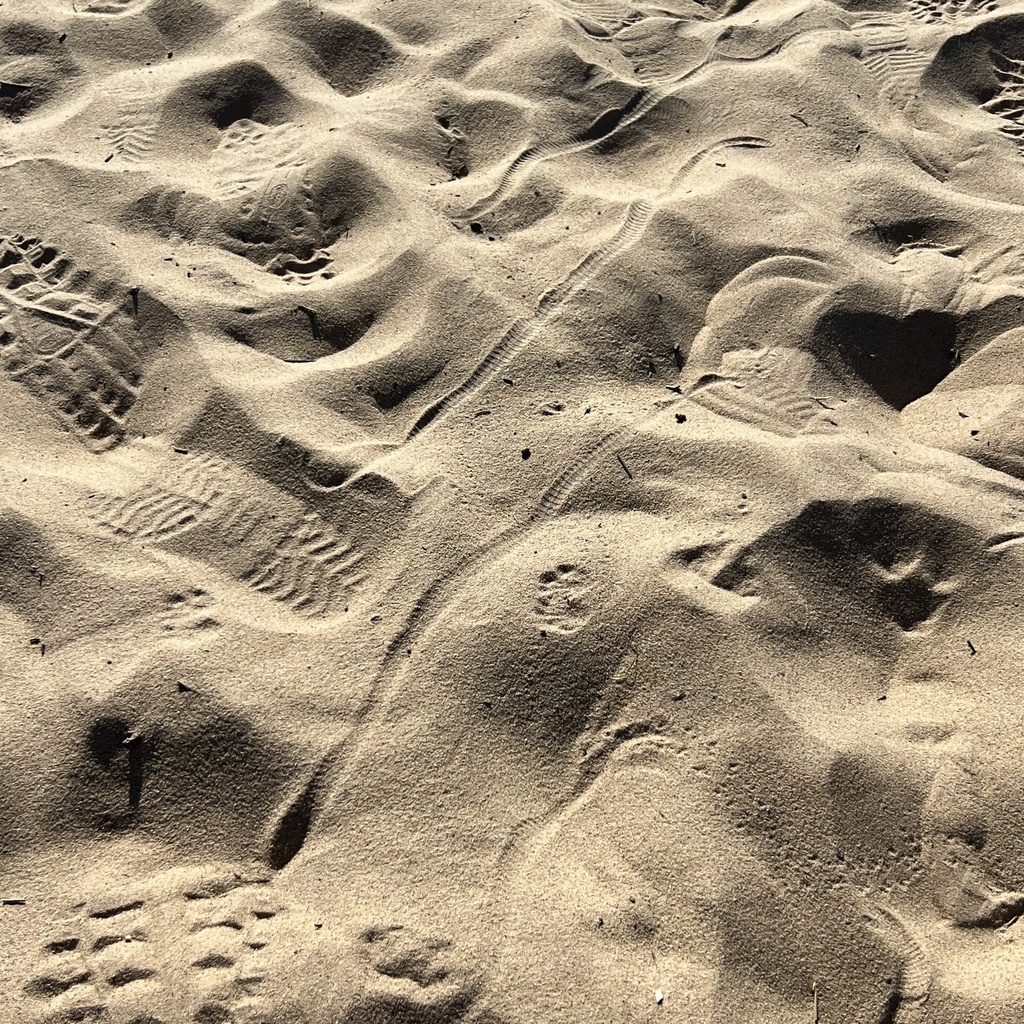
The sidewinder is a small to medium-sized venomous rattlesnake endemic to southwestern North America's desert regions. Adults typically measure 43 to 76 centimeters (17 to 30 inches) in total length, with females generally larger than males. The species is characterized by distinctive horn-like scales projecting above each eye, giving rise to its alternate name, horned rattlesnake. The body is relatively slender with a triangular head distinct from the neck. Coloration varies from cream to gray or tan, with darker blotches along the back and sides that provide effective camouflage against desert substrates. The rattle consists of loosely interlocked keratin segments that produce the characteristic buzzing sound when vibrated. In California, sidewinders occur in the southeastern desert regions, including portions of the Mojave and Colorado deserts. Their range extends through Riverside, Imperial, San Bernardino, and Inyo counties, with populations documented in Death Valley, Joshua Tree National Park, and the Colorado River valley. The species' distribution continues south into Baja California, Mexico, and east through Arizona, southern Nevada, and extreme southwestern Utah. Sidewinders inhabit sandy desert flats, washes, and areas with loose, windblown sand where they can effectively employ their unique locomotion. They prefer open desert terrain with sparse vegetation, avoiding areas with dense shrub cover or rocky substrates. Elevations typically range from below sea level in Death Valley to approximately 1,500 meters (4,900 feet) in mountainous desert areas. Common associated vegetation includes creosote bush, desert saltbush, and various cacti species. The species is renowned for its distinctive sidewinding locomotion, moving in a series of lateral loops that minimize contact with hot sand surfaces. This movement pattern creates characteristic J-shaped tracks in sand. Sidewinders are primarily nocturnal and crepuscular, remaining buried in sand during daylight hours with only the eyes and top of the head exposed. They are ambush predators, feeding primarily on small mammals including kangaroo rats, pocket mice, and desert woodrats, as well as lizards and occasionally birds. Mating occurs in spring, with females giving birth to 5 to 18 live young in late summer or early fall after a gestation period of approximately six months. The sidewinder is not federally or state listed and appears to maintain stable populations throughout most of its range. However, localized threats include habitat loss from urban development, off-road vehicle activity, and solar energy projects in desert areas. The species' specialized habitat requirements and relatively limited distribution make it vulnerable to large-scale habitat modifications. Climate change may affect prey availability and suitable habitat distribution. Conservation efforts focus on habitat protection within existing protected areas and minimizing impacts from renewable energy development in desert regions.
Classification
Class: Reptilia · Order: Squamata · Family: Viperidae
Frequently asked questions
How is Crotalus cerastes classified?
Crotalus cerastes belongs to class Reptilia, order Squamata, family Viperidae.
What family does Crotalus cerastes belong to?
Crotalus cerastes is in the Viperidae family.
What is Crotalus cerastes?
The sidewinder is a small to medium-sized venomous rattlesnake endemic to southwestern North America's desert regions.
Is Crotalus cerastes found in California?
Yes. Crotalus cerastes is recorded in California in The California Species Project's catalogue.
Related species
Other California species in the same genus, family, or bioregion.
Data from The California Species Project — 14,000+ California species with verified data from CNPS, CDFW, USFWS, and more.